
Indian Sweets Photography












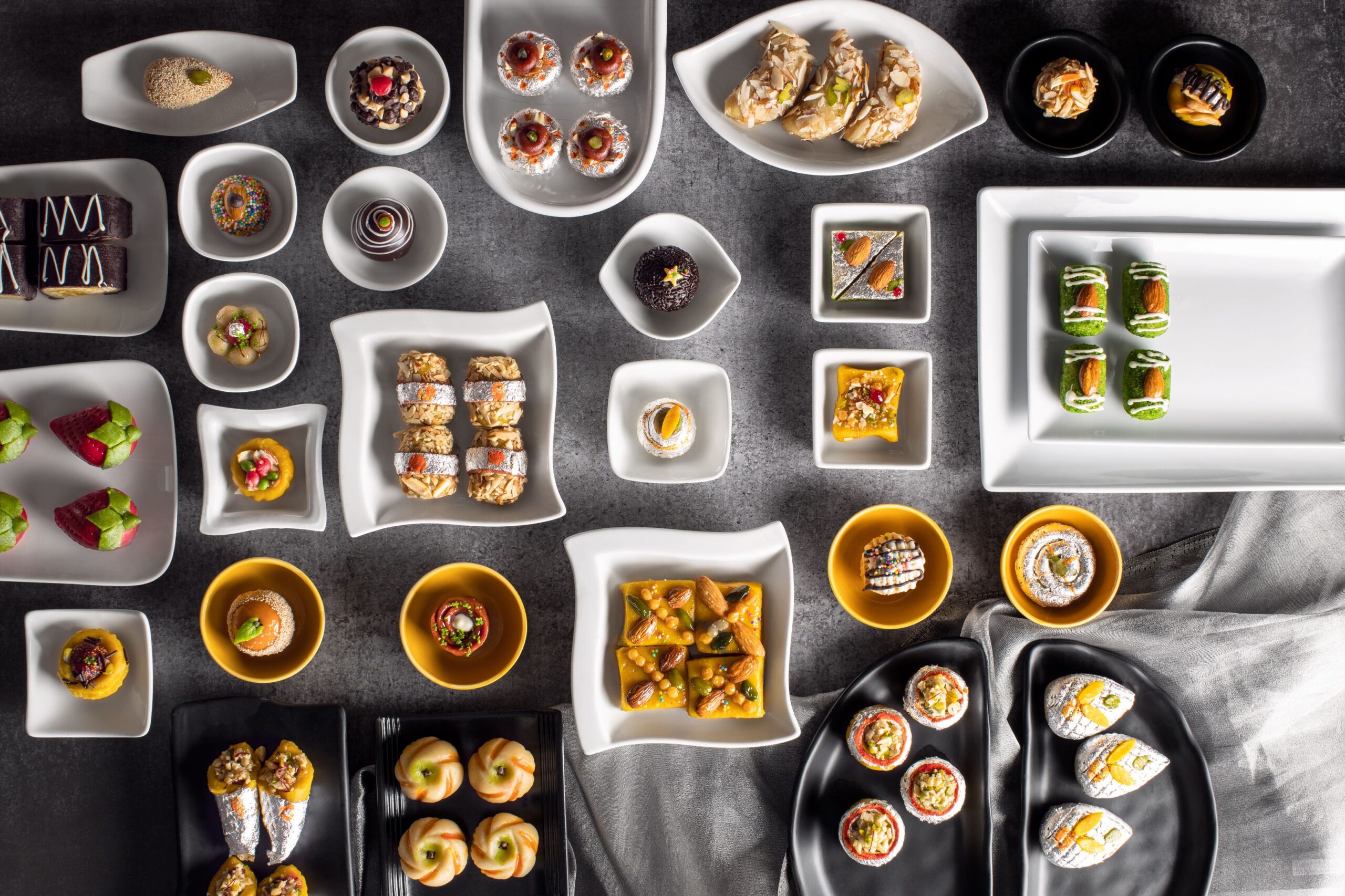
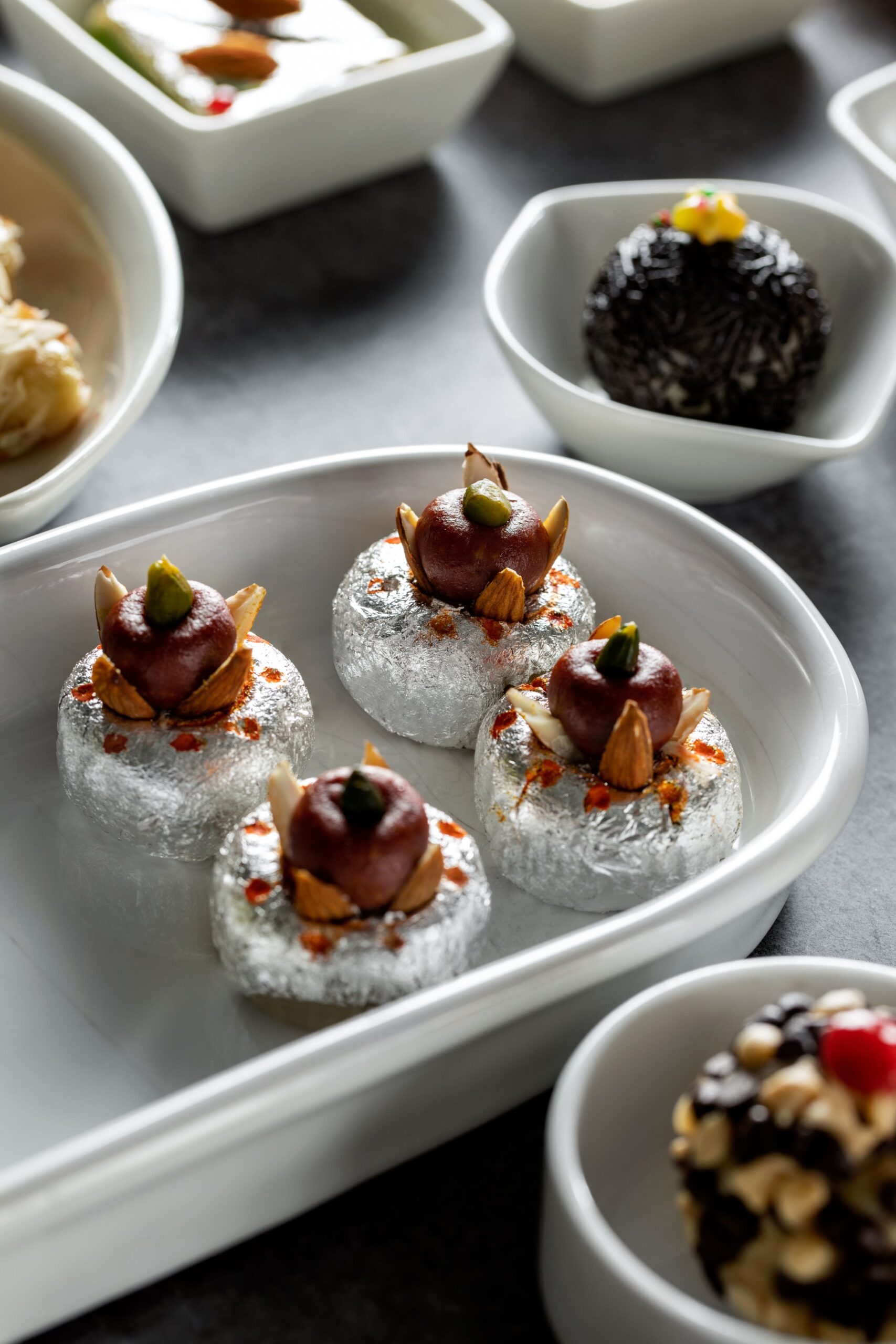
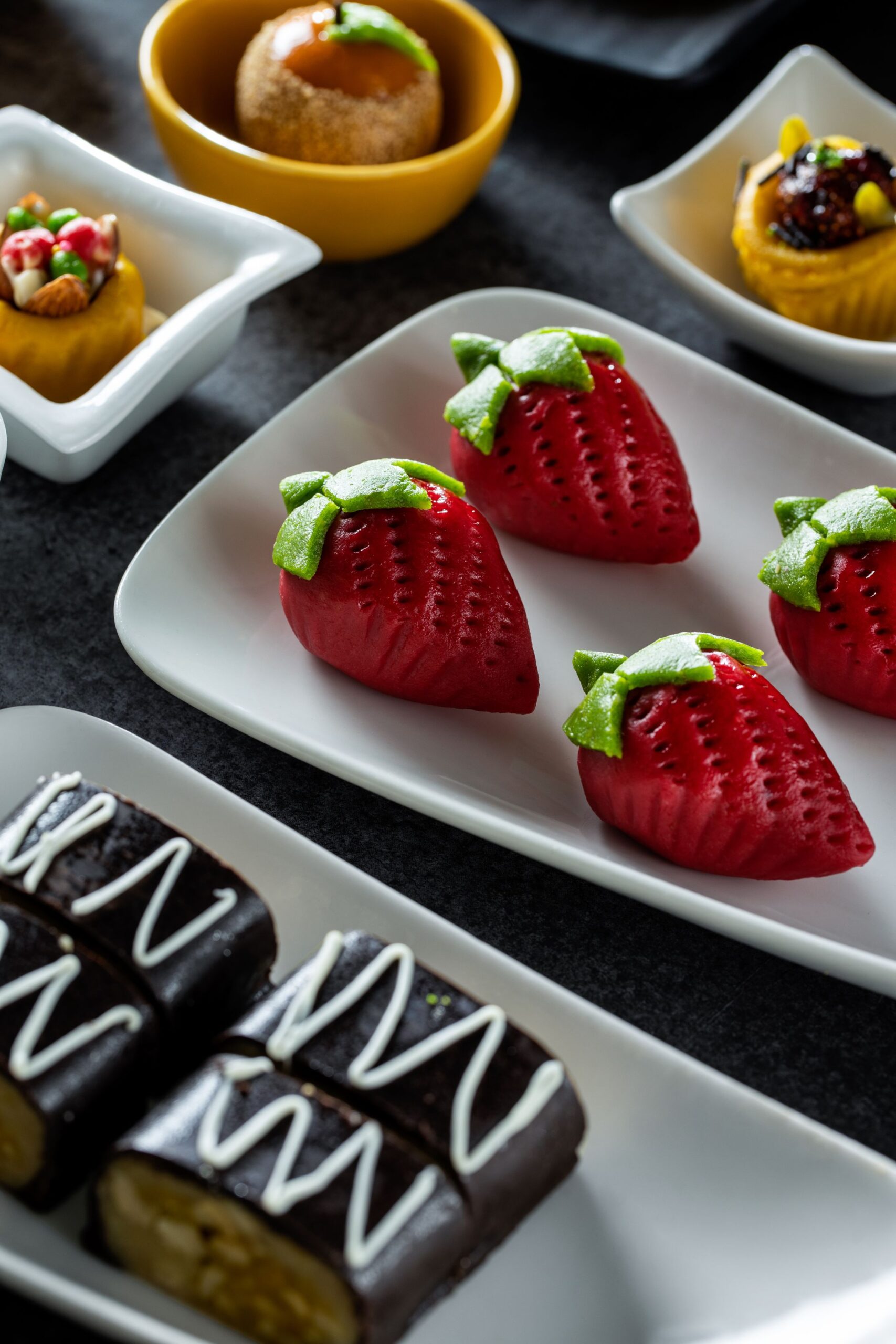







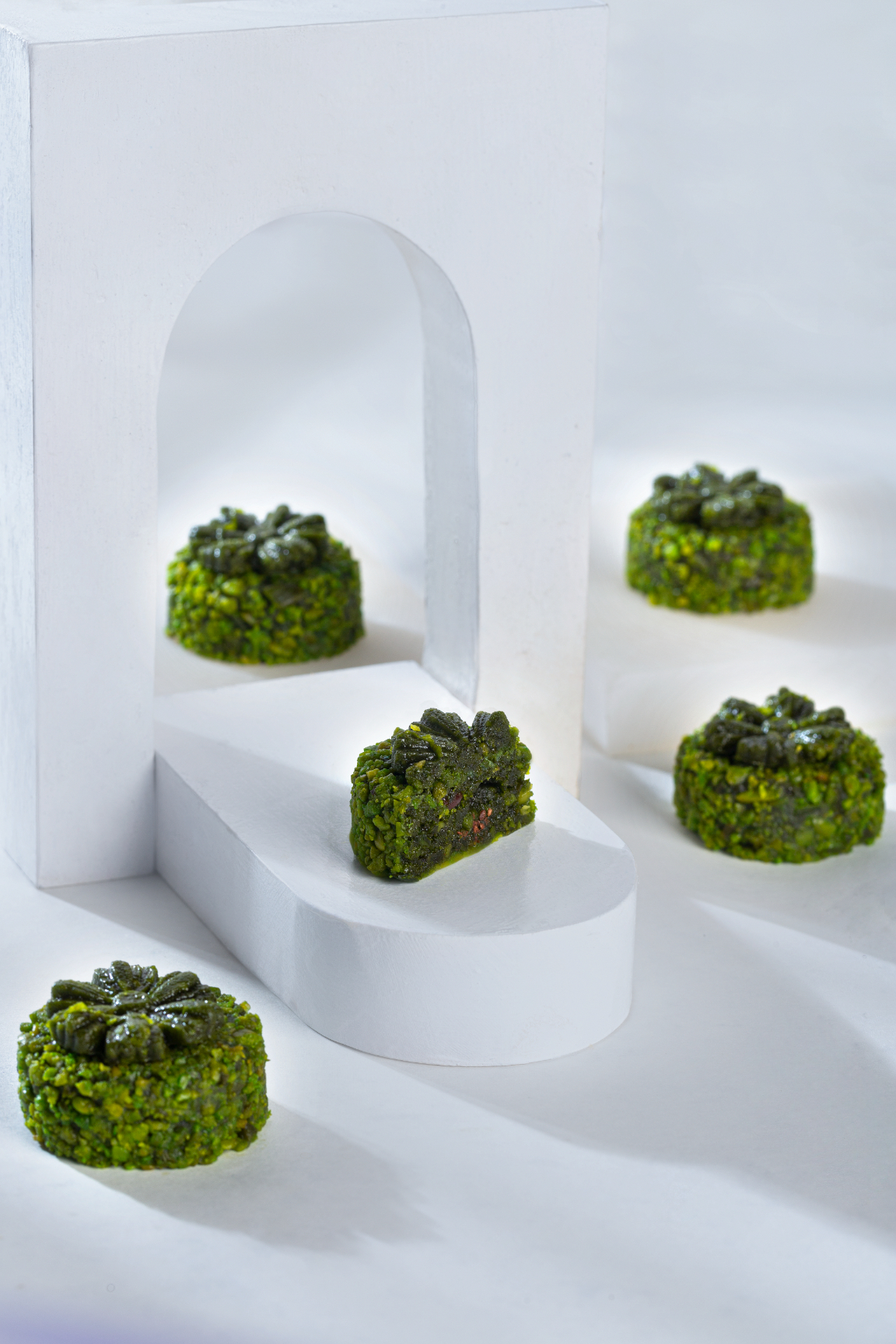
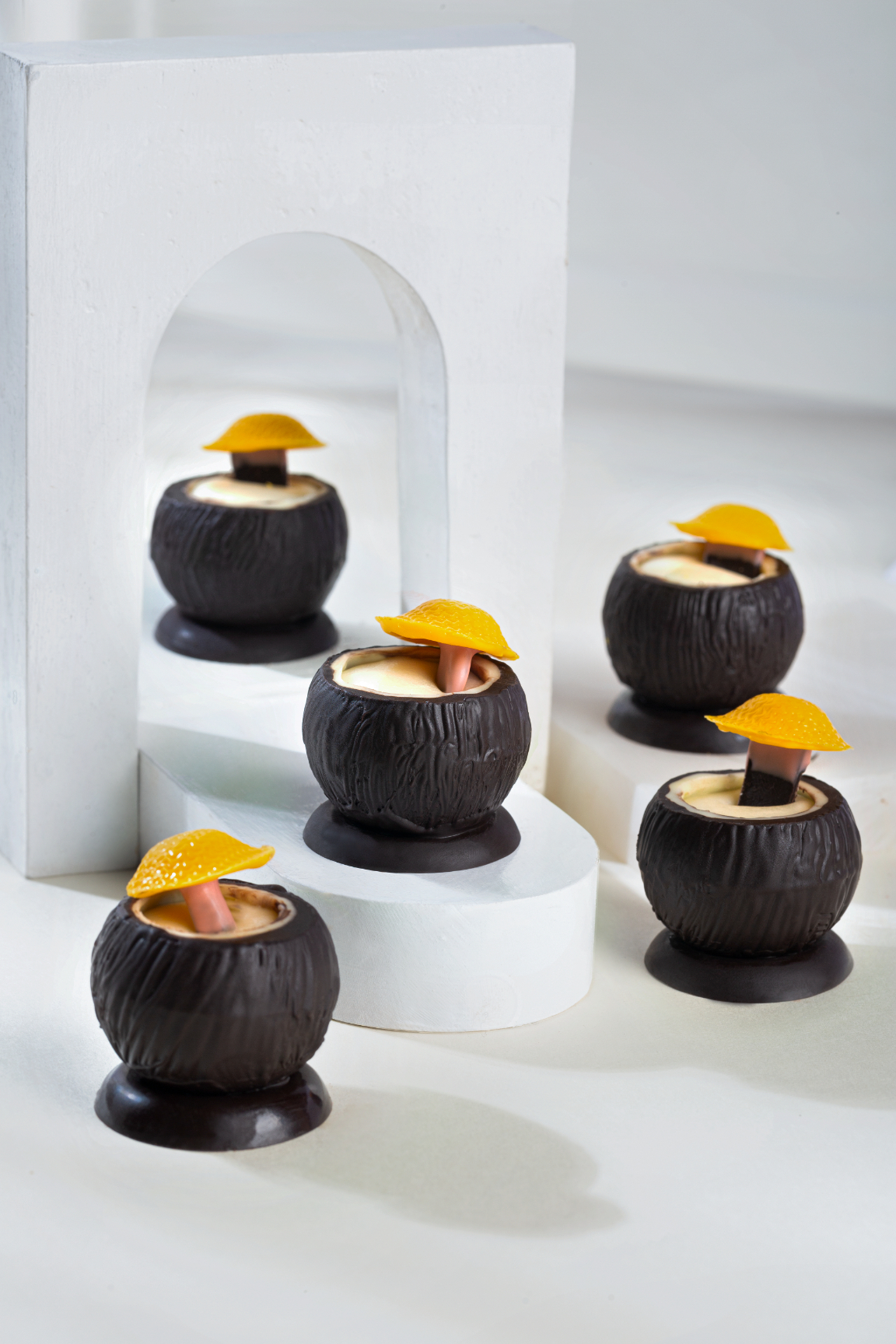

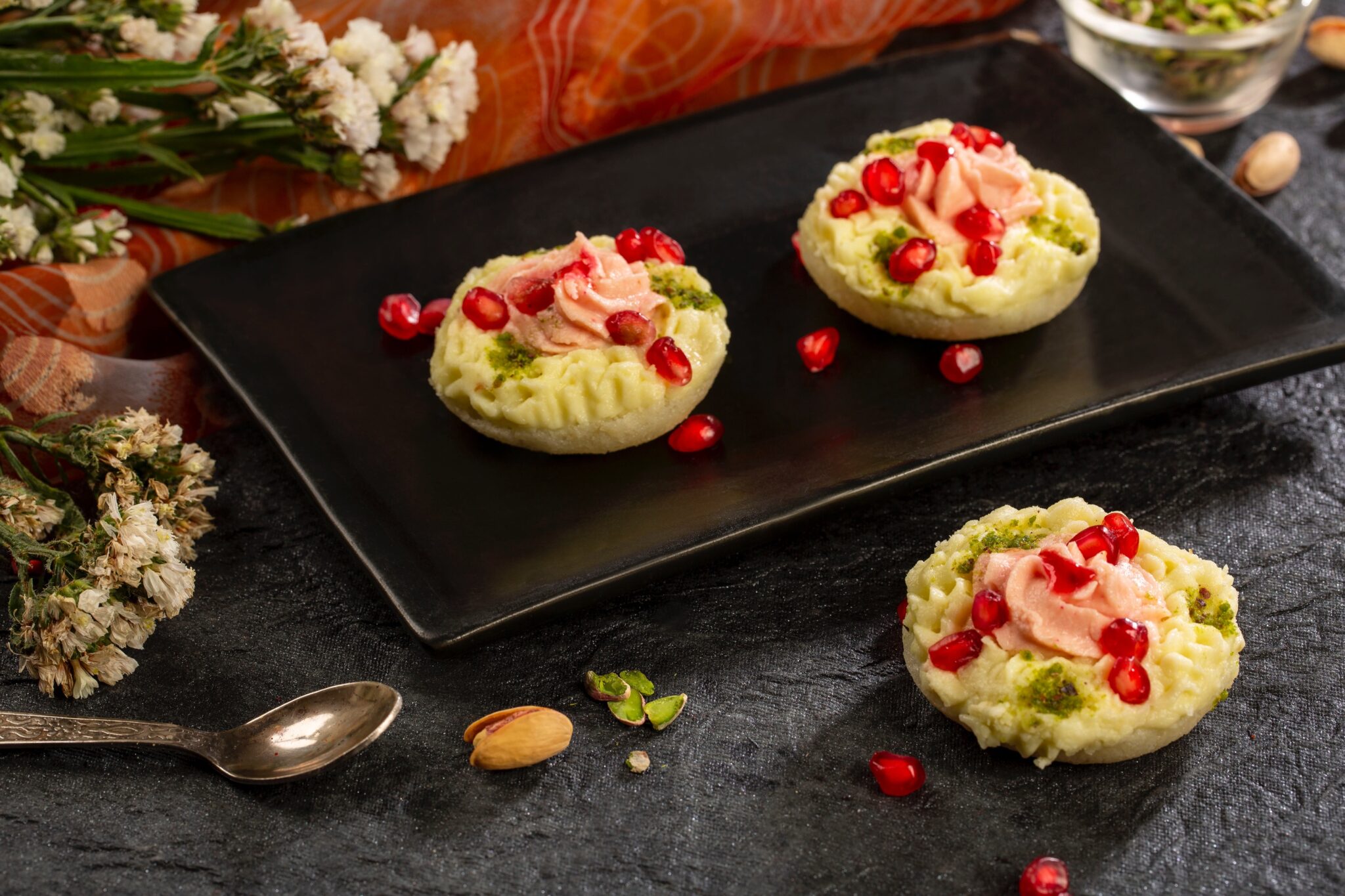

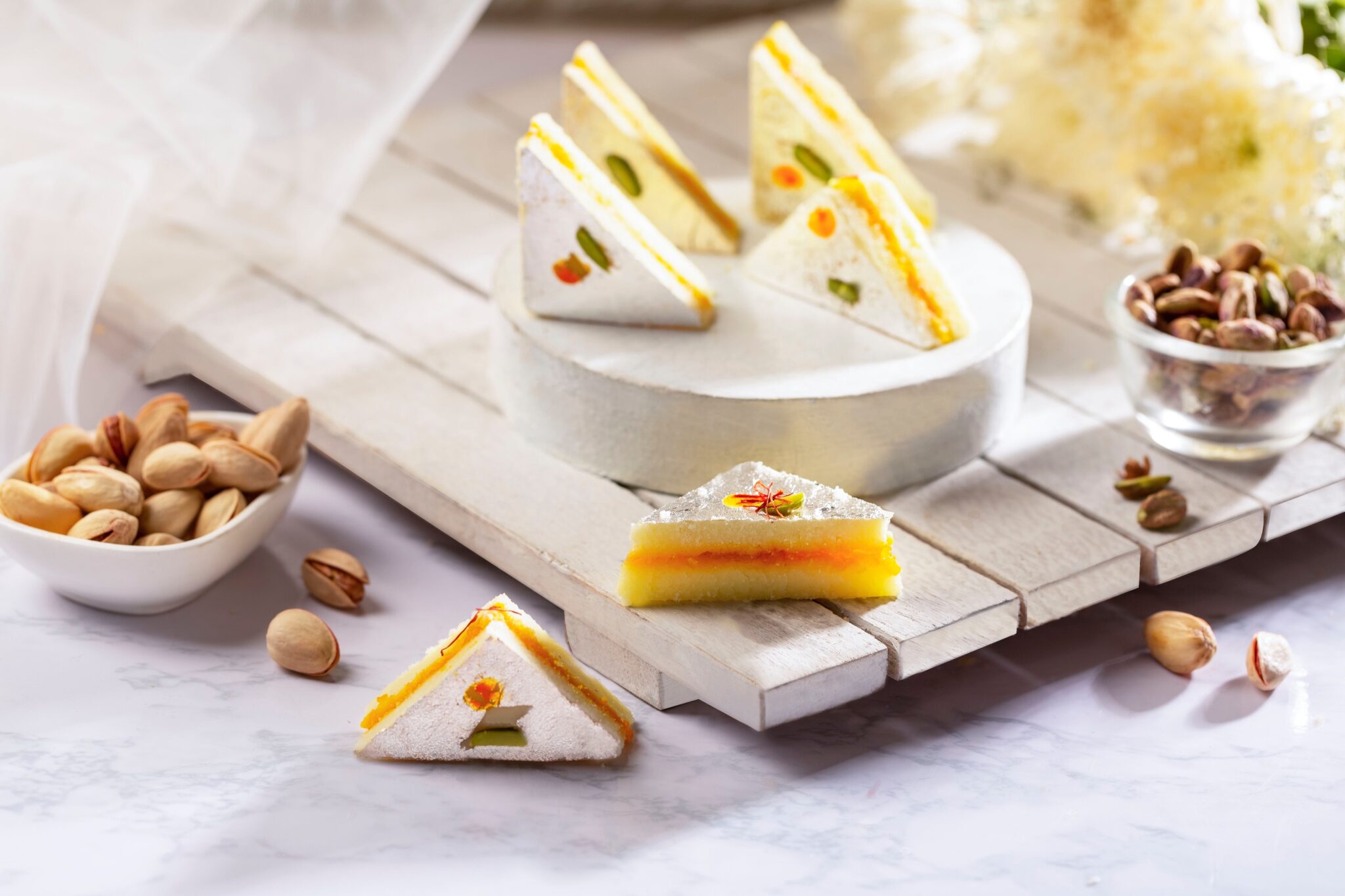
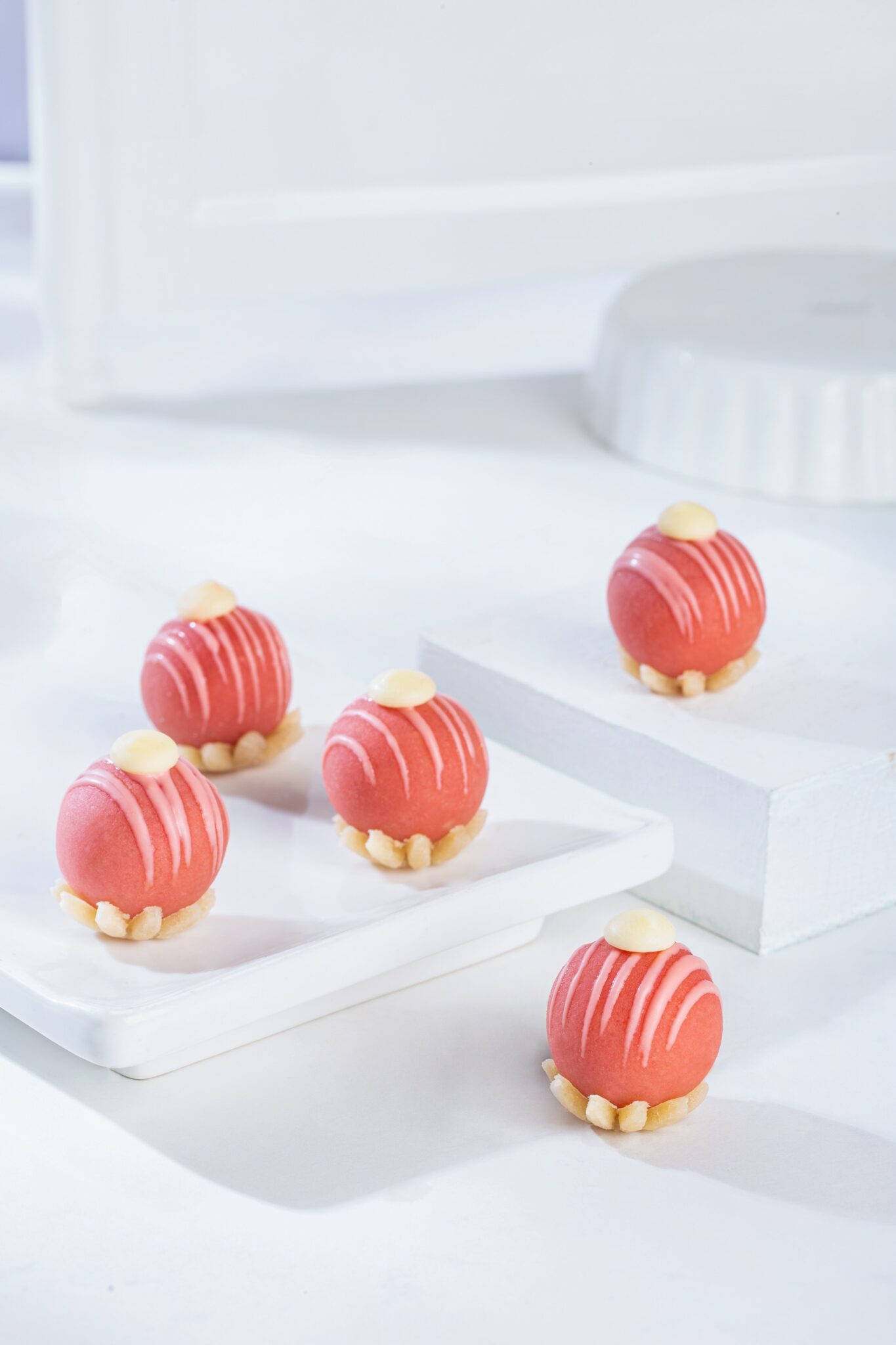

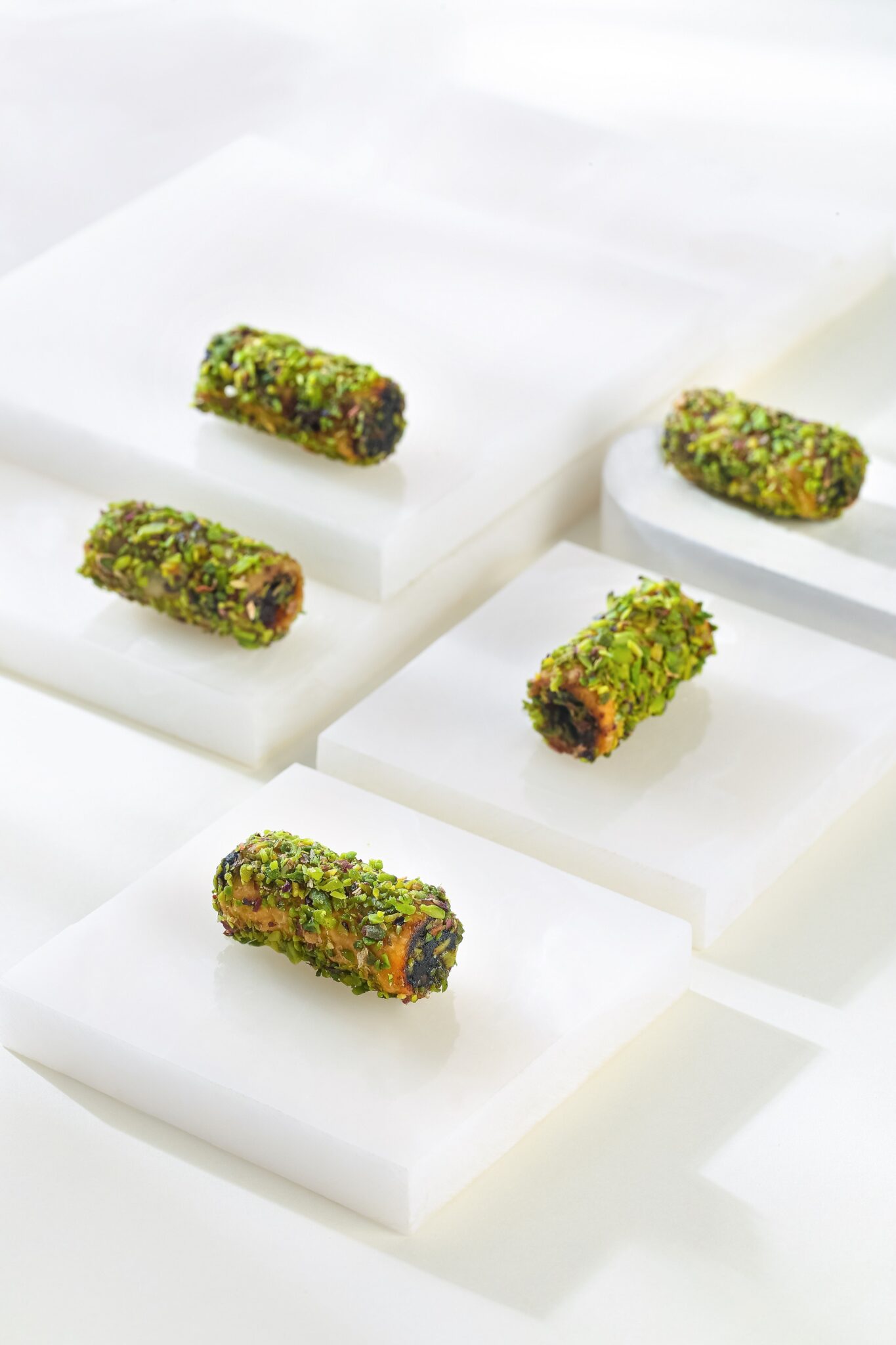


“Kuch Meetha ho jaye?”
Indian Sweets Photography
Indian sweets are emotional.
They’re not just food.
They’re tied to festivals, weddings, family visits, celebrations, and habits people have grown up with.
That’s why photographing Indian sweets is different from photographing most desserts.
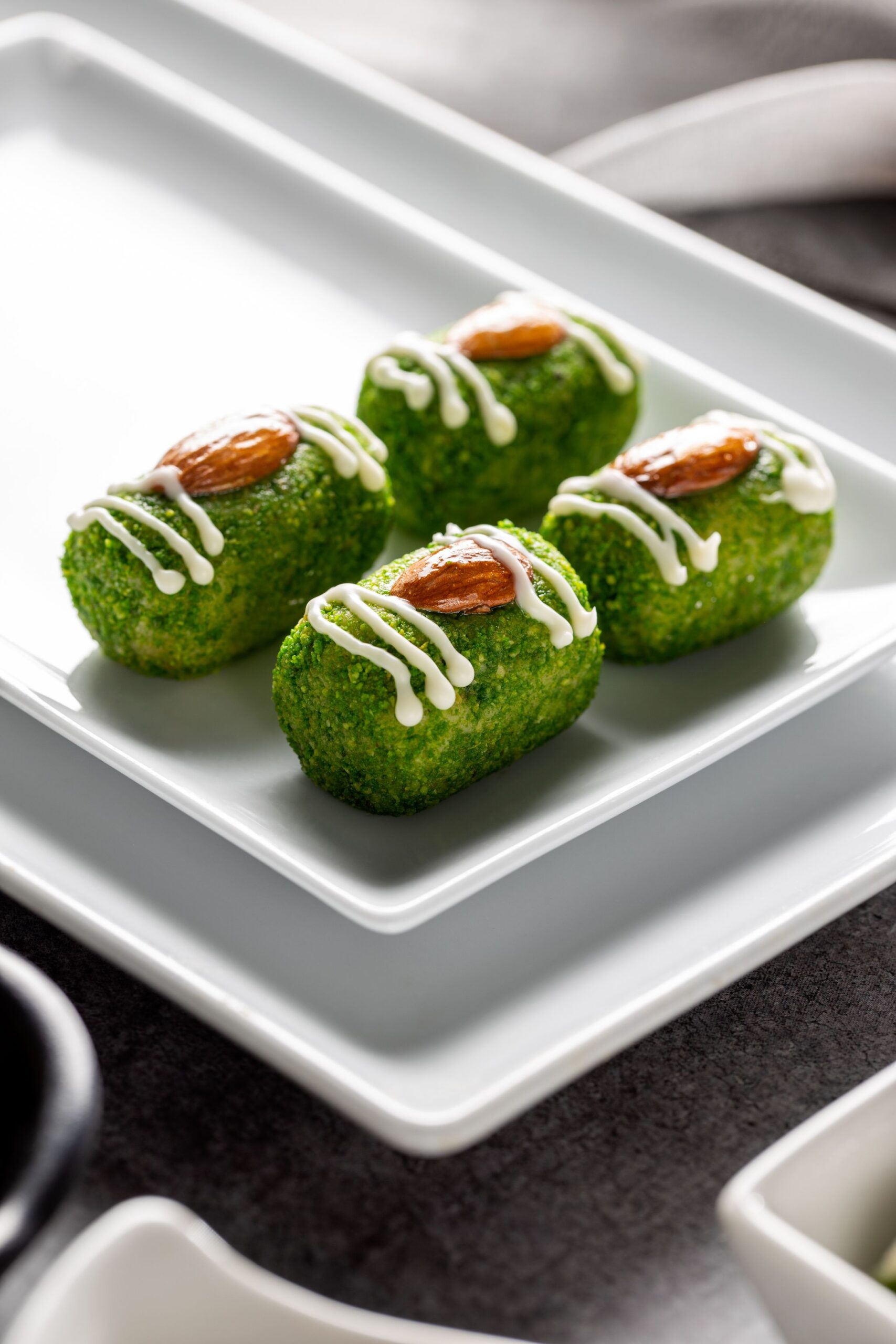
A rasgulla isn’t meant to look sharp and styled. A kaju katli shouldn’t look dry or stiff. A gulab jamun has to feel soft even in a still image.
Most sweet shop owners and brands come to me saying something like,
“Our mithai looks amazing in the shop, but strange in photos.” “The shine looks fake.” “Everything looks flat online.”
Indian sweets photography is about respecting the food.
This page is for sweet shops, mithai brands, restaurants, and sellers looking for Indian sweets photography in Delhi NCR and want images that feel familiar, trustworthy, and real.
What Indian sweets photography really involves
Indian sweets are tricky to photograph.
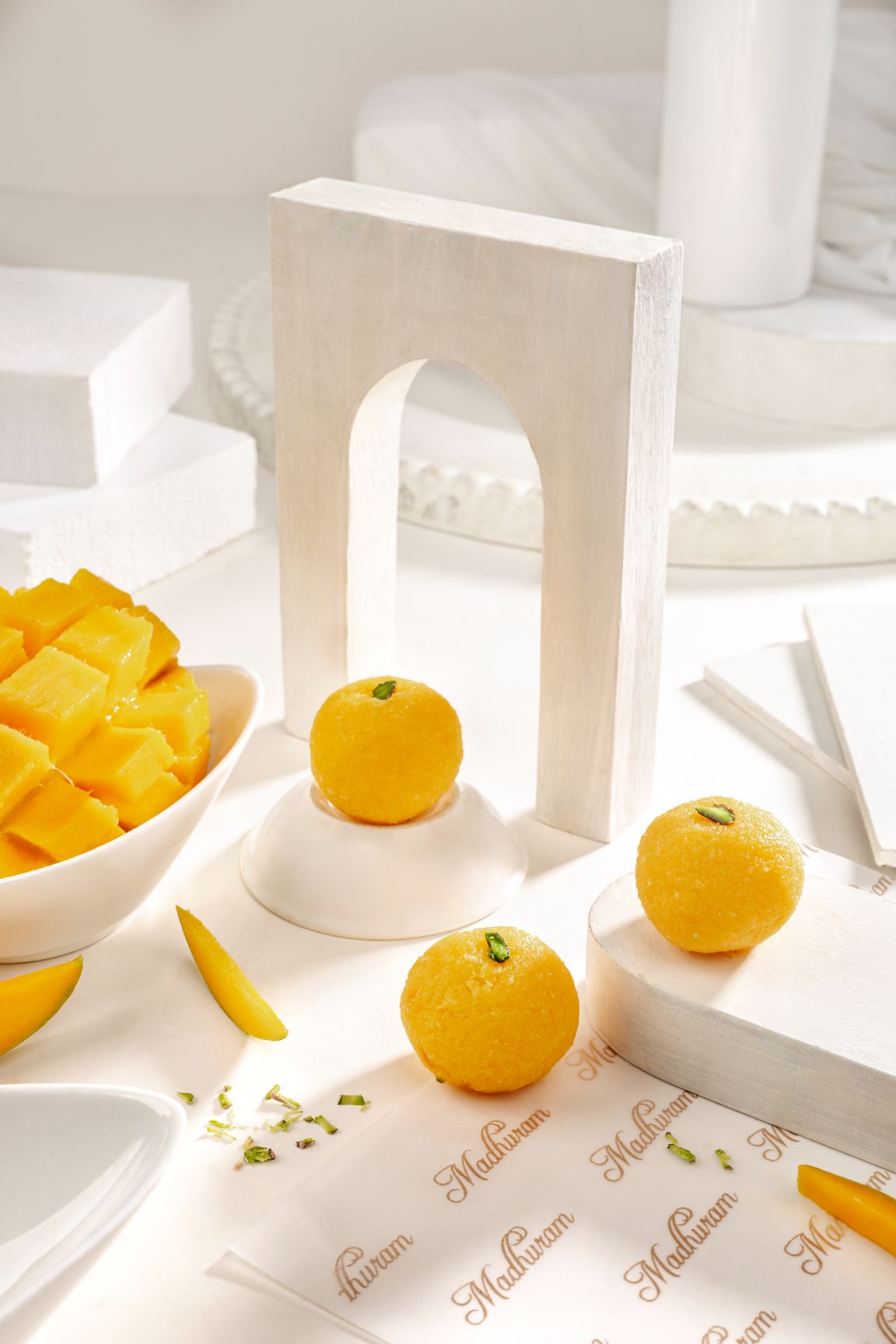
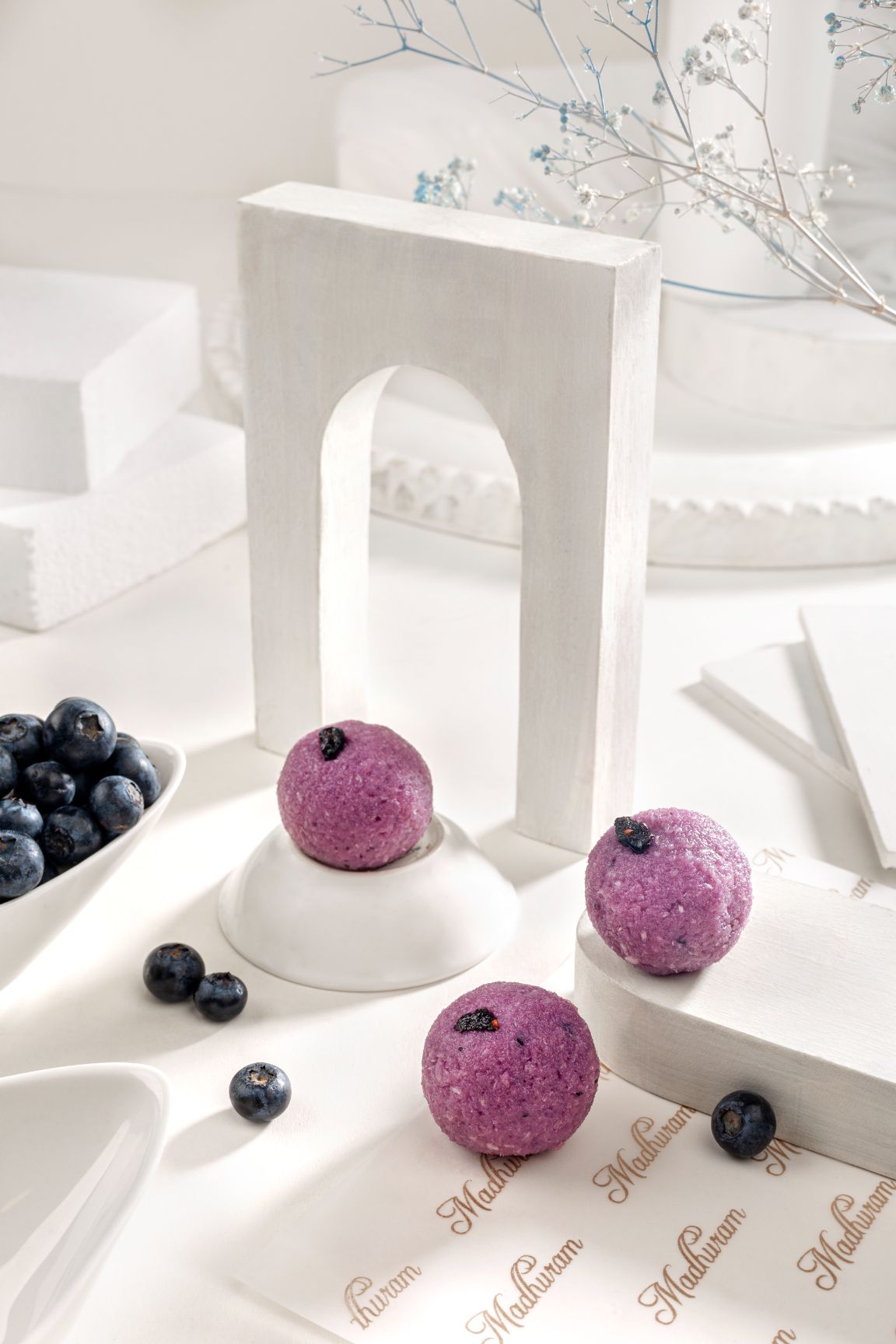
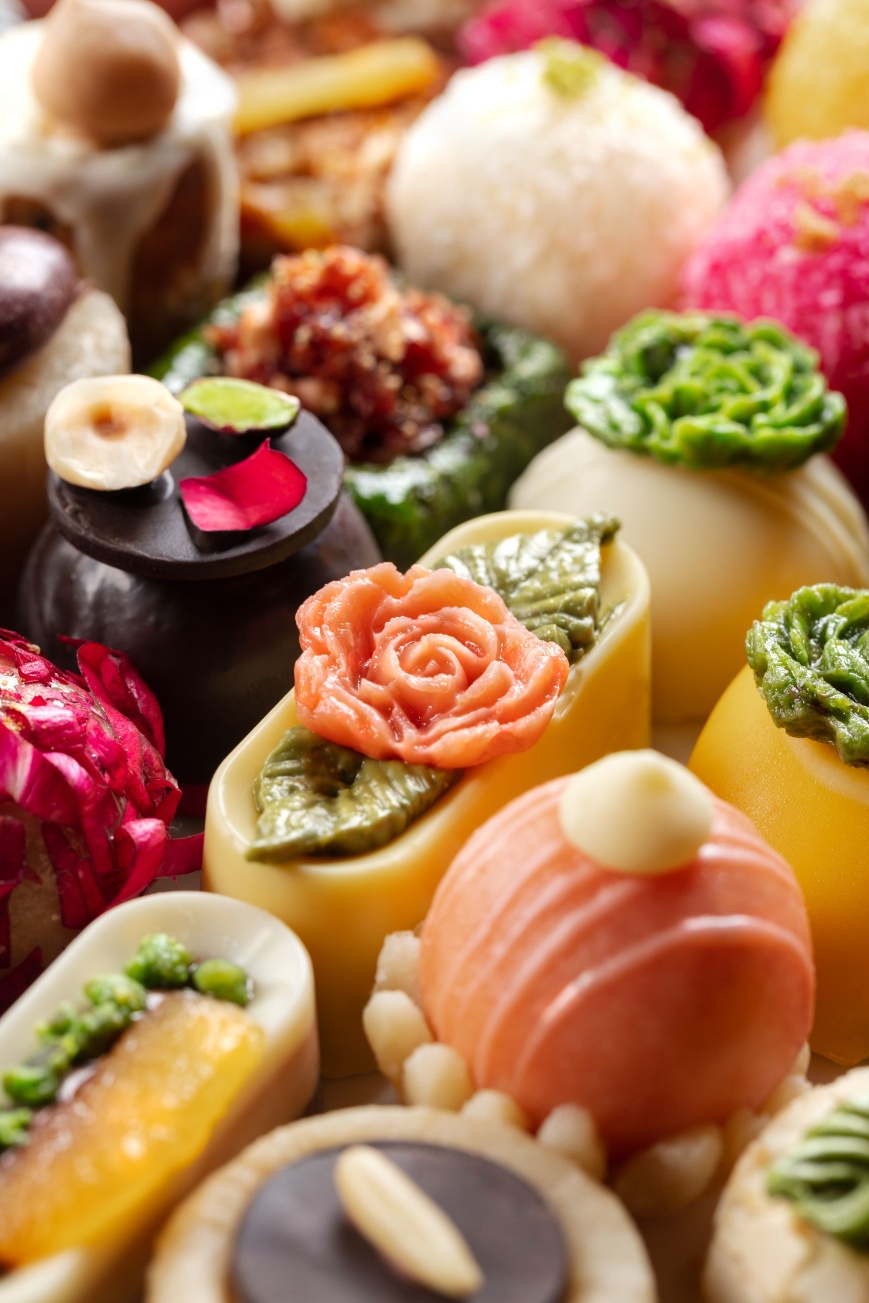
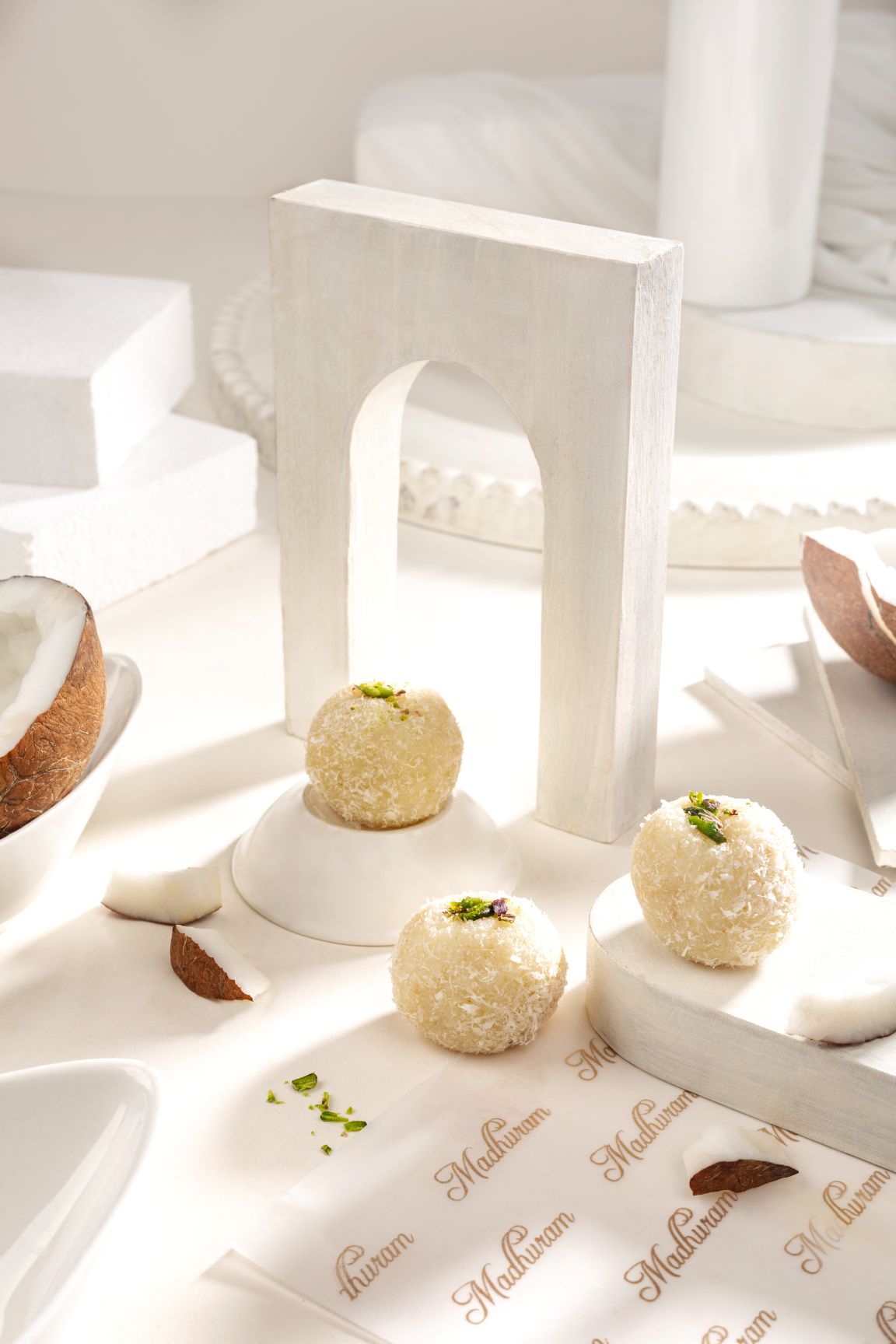
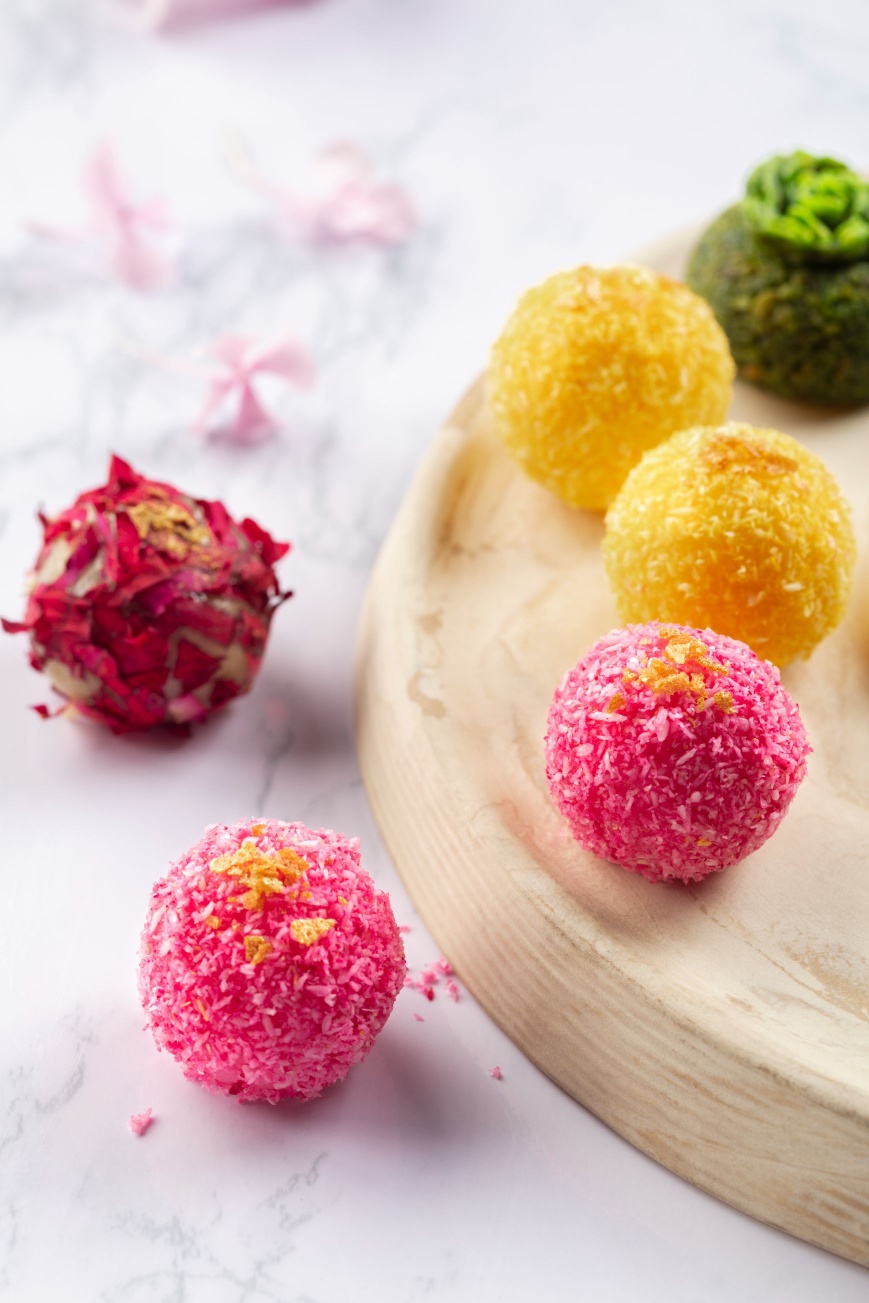
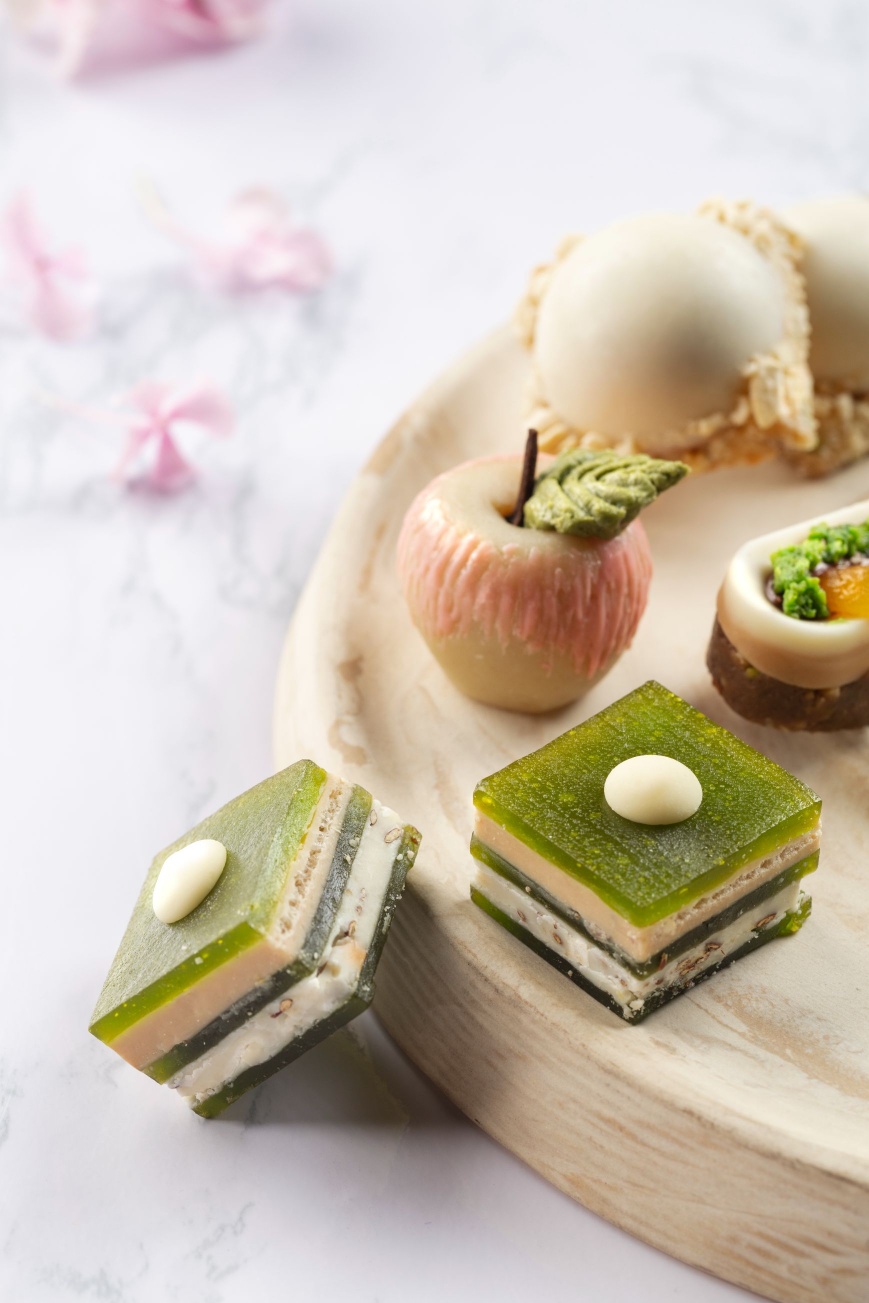
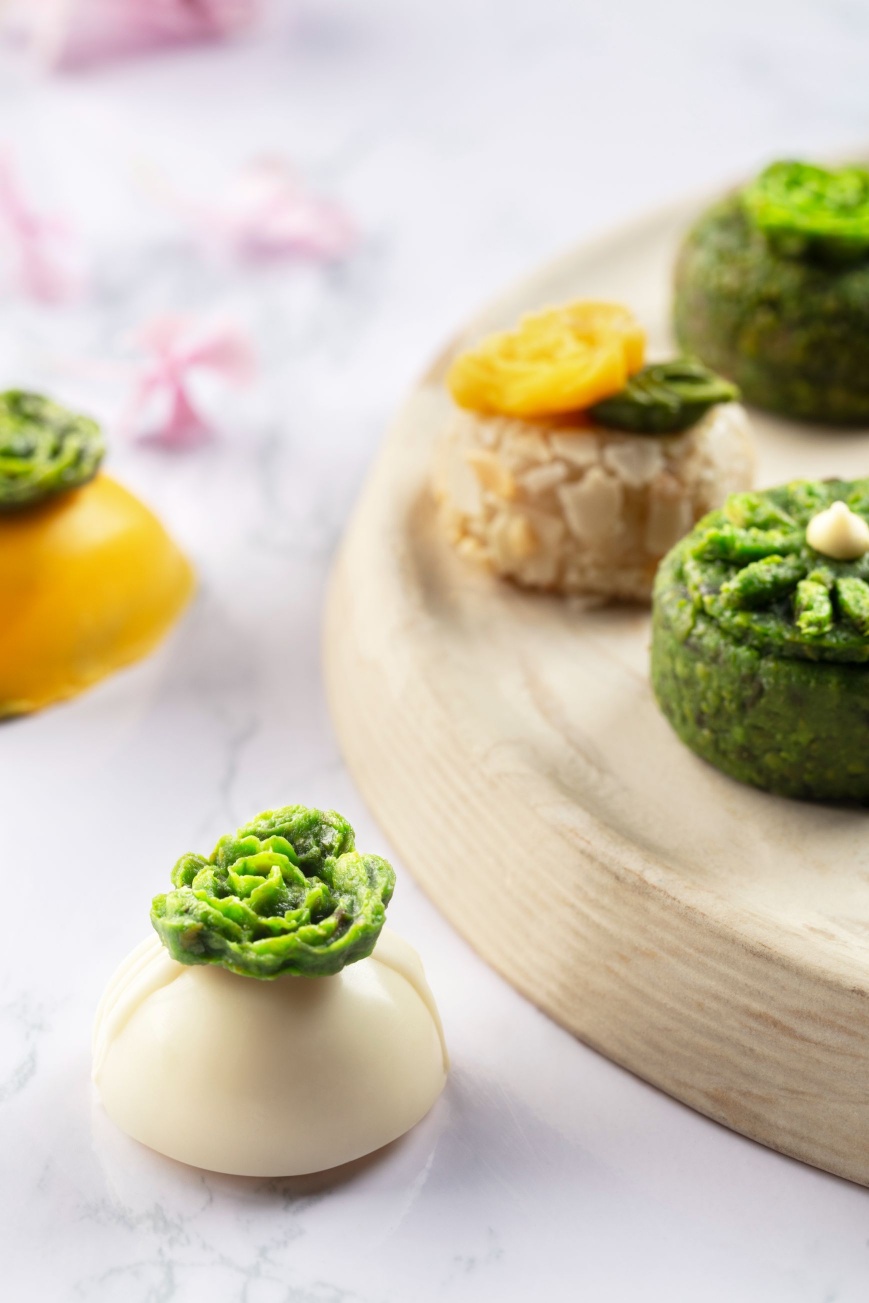
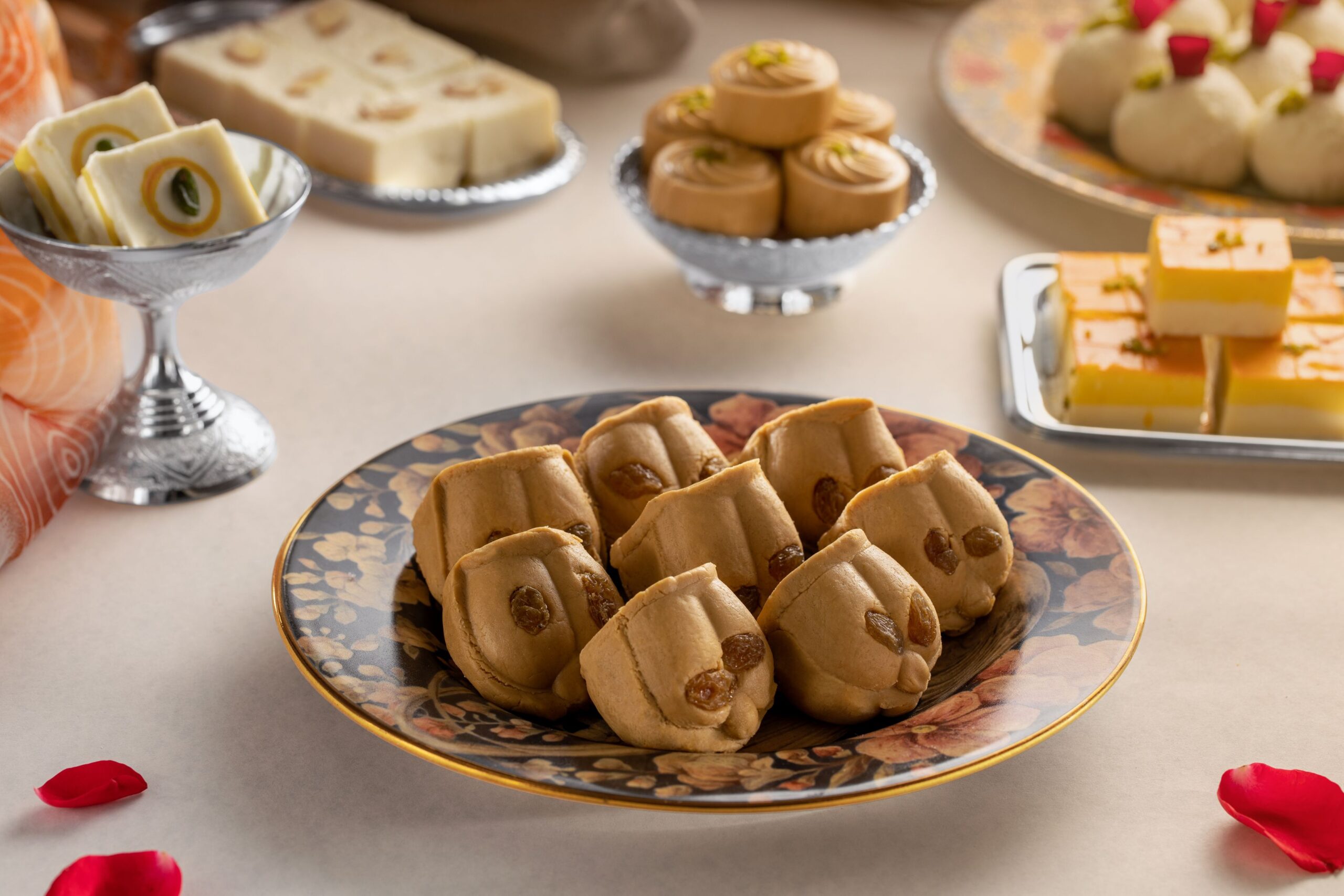
They’re shiny, syrupy, textured, and often pale in color.
Milk-based sweets reflect light easily. Sugar syrup creates glare. Dry sweets lose detail under harsh lighting.
Indian sweets photography is not about heavy styling.
It’s about:
Showing softness Showing texture Showing freshness Keeping colors natural
Too much light makes sweets look oily. Too little light makes them look dull and old.
The balance is important.
The photo should remind people of how the sweet looks when it’s freshly served — not when it’s been sitting for hours.
Good Indian sweets photography doesn’t try to modernize mithai.
It simply presents it well.
Who usually needs Indian sweets photography
Indian sweets photography is used by many types of businesses, not just traditional sweet shops.
Mithai shops and halwais
Local sweet shops need images for:
Menu boards Delivery apps WhatsApp catalogs Social media
Customers often decide what to order based on visuals, especially during festivals.
If a sweet doesn’t look fresh in photos, it doesn’t sell.
Indian restaurants
Many restaurants serve Indian desserts.
These items are often ignored online because they don’t look appealing in menus.
Indian sweets photography helps desserts get the attention they deserve.
These shoots often happen alongside food photography for main dishes.
Sweet brands and packaged mithai sellers
Brands selling packaged sweets need clarity and trust.
Customers want to see:
Texture Portion size Freshness
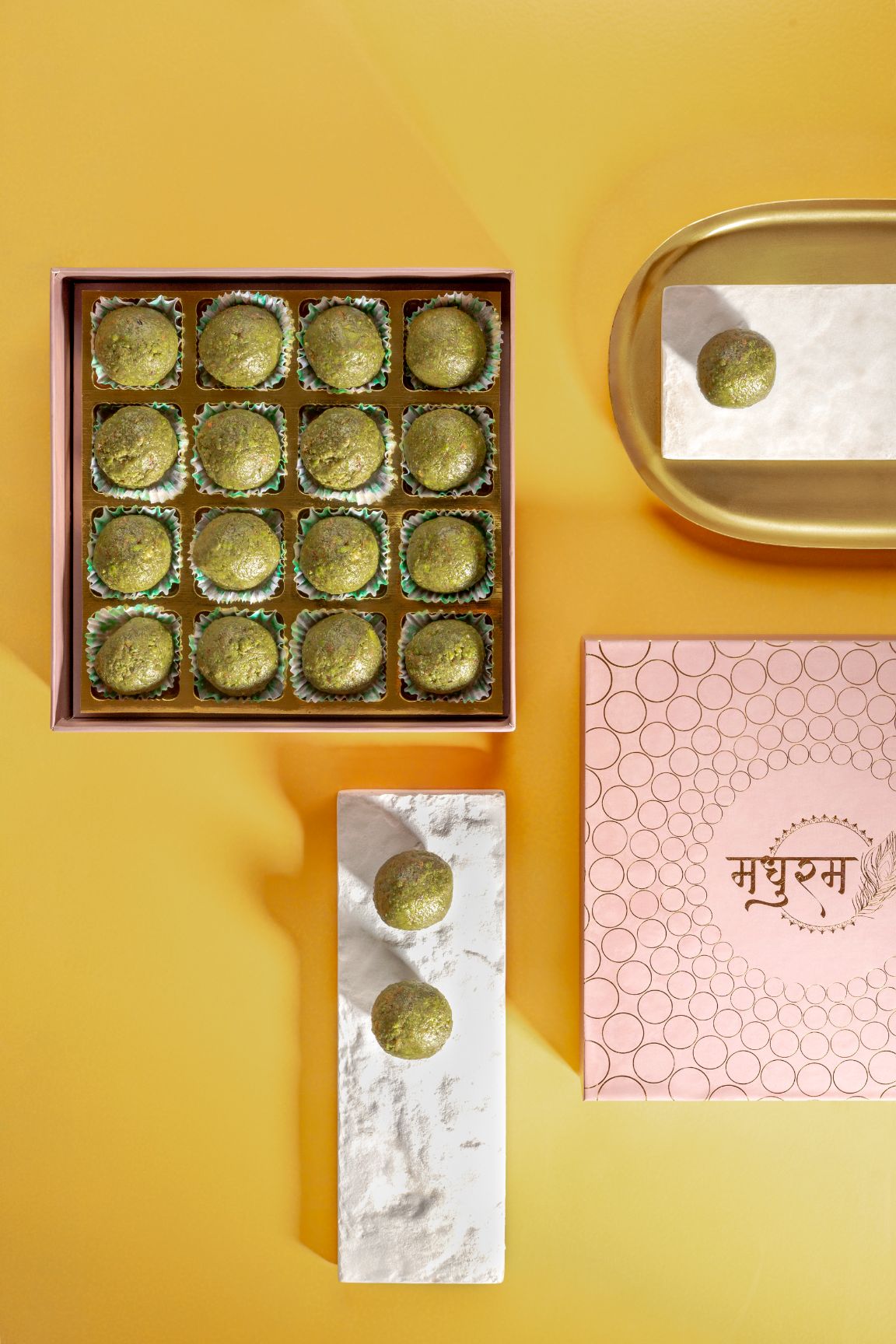
These shoots often combine Indian sweets photography with product photography to show packaging and sweets together.
Festive and gifting businesses
Sweets are a big part of gifting.
Diwali, Rakhi, weddings, celebrations.
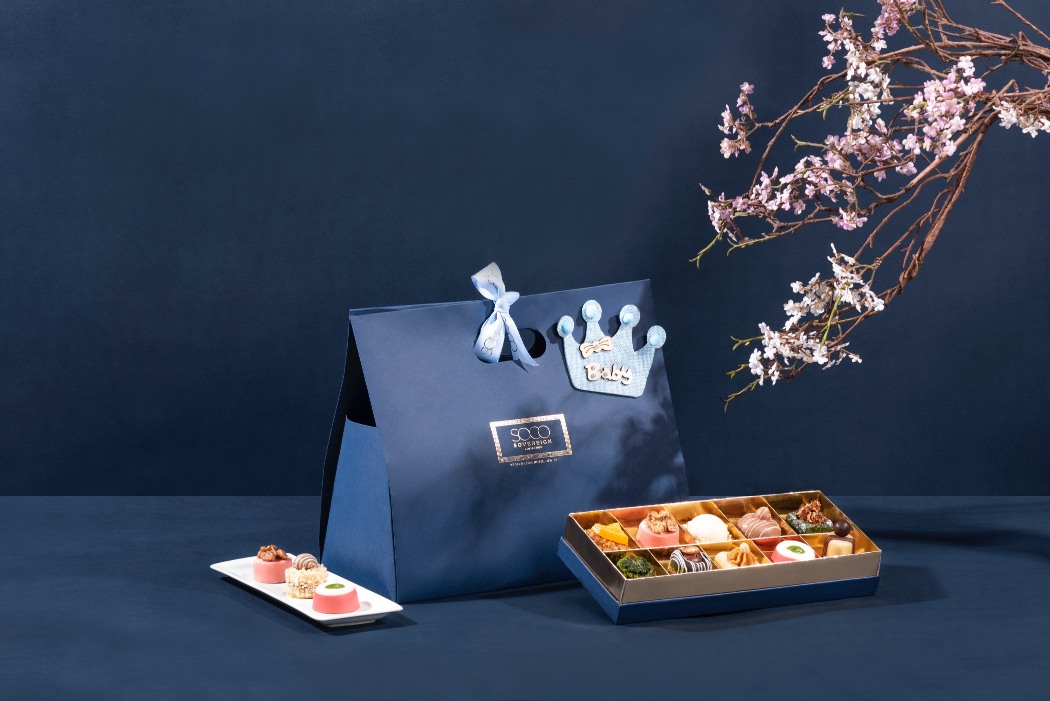
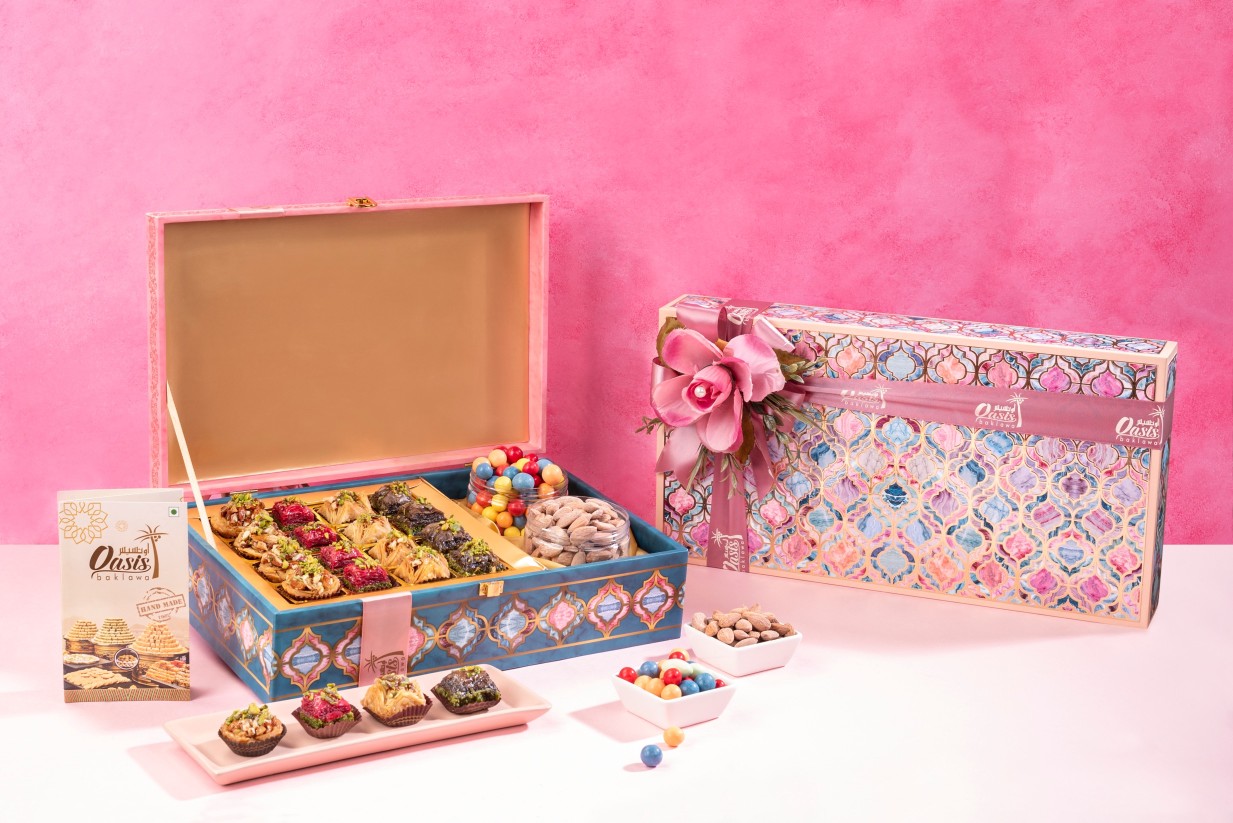
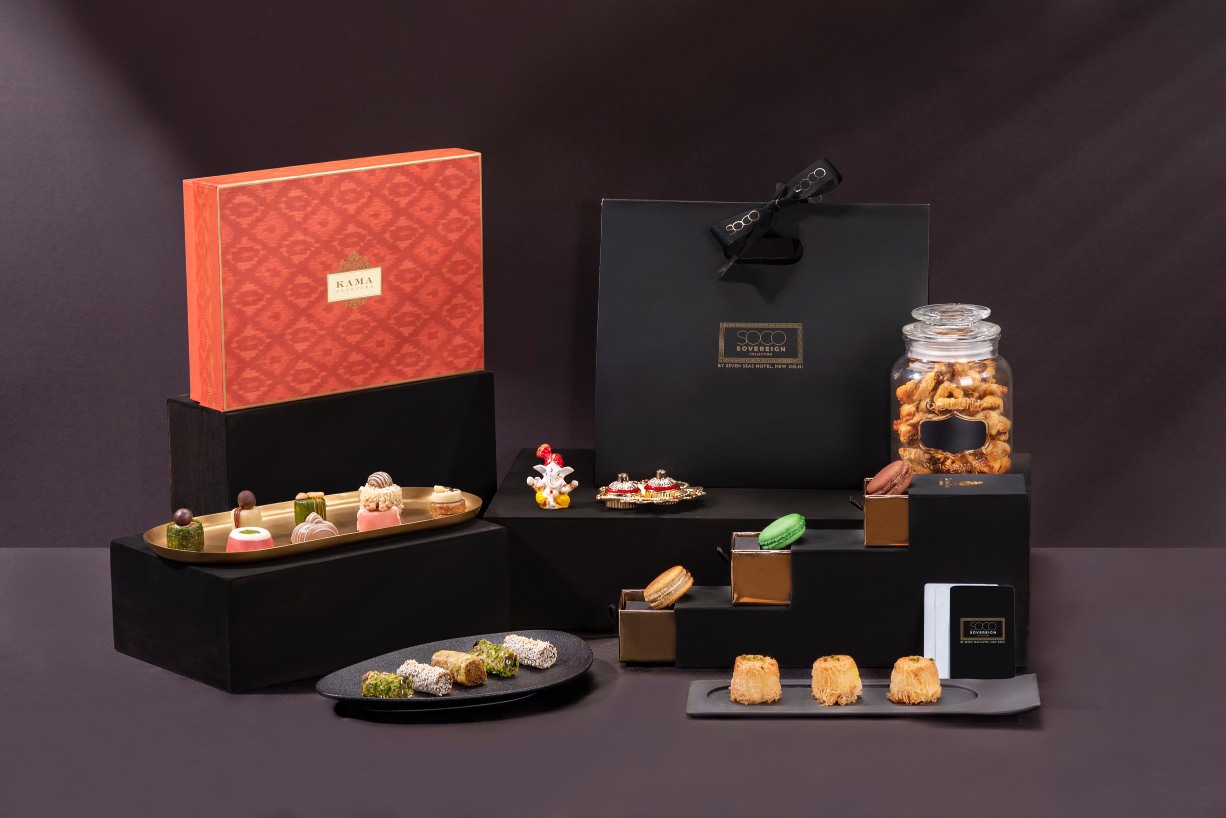
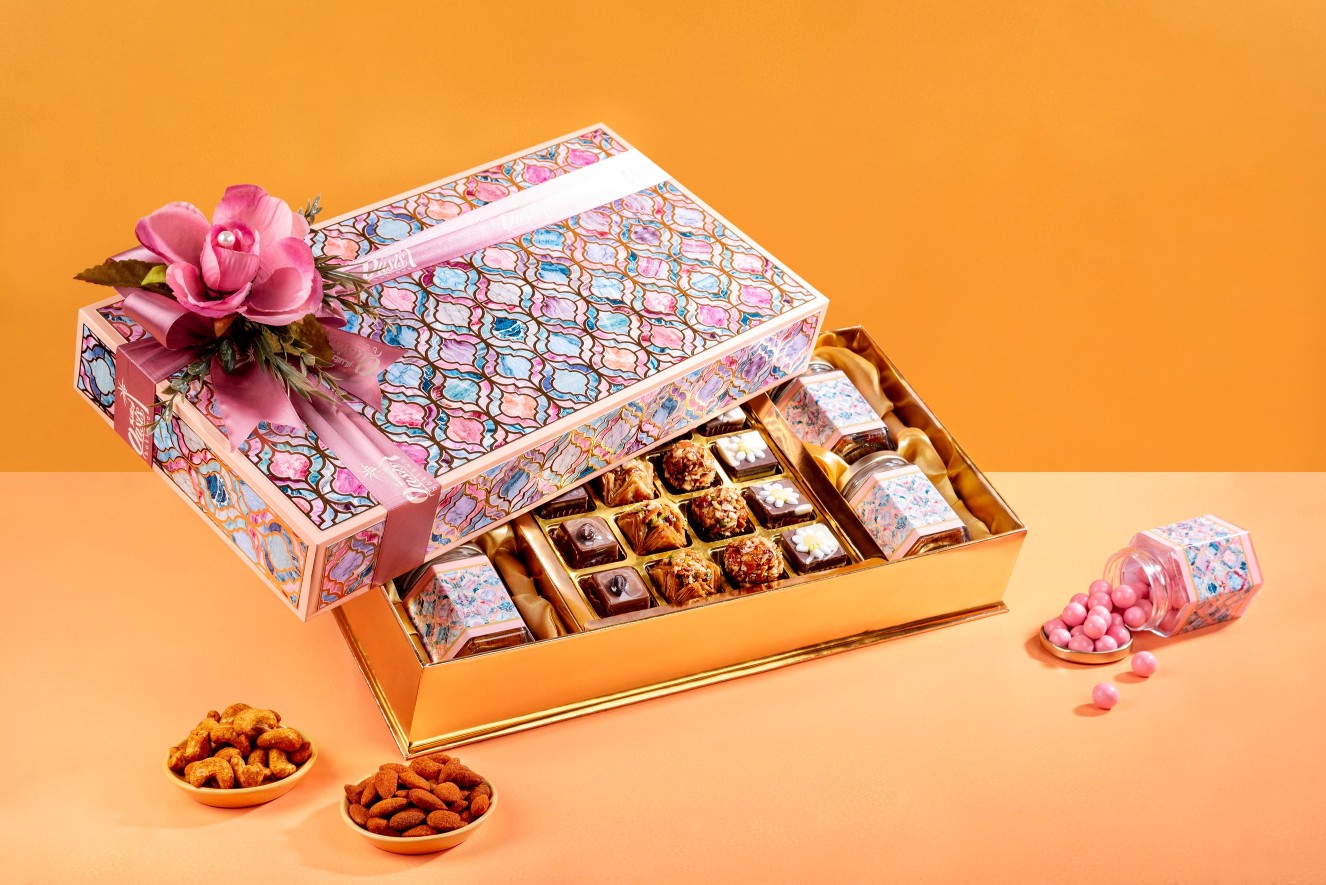
These shoots often overlap with hampers photography, where sweets are part of curated gift boxes.
How Indian sweets photography works, step by step
Indian sweets photography needs planning and patience.
1. Understanding the sweets
First, I need to understand what’s being photographed.
Milk-based sweets? Dry sweets? Syrup-based items?
Each category behaves differently under light.
This helps decide lighting and setup.
2. Deciding usage and style
Where will the images be used?
Menu boards Delivery apps Website Promotions
Delivery platforms need clear, close shots. Websites allow a little more space.
We keep the style traditional and clean.
3. Preparing the sweets
Freshness is everything.
Sweets are prepared or brought fresh.
Edges are cleaned. Pieces are aligned. Syrup is controlled.
No fake shine.
What you sell is what we photograph.
4. The shoot
Lighting is adjusted gently.
We avoid harsh highlights.
Angles are chosen to show softness and volume.
A rasmalai needs a different angle than a barfi.
The goal is to make the sweet look edible, not decorative.
5. Selection and editing
After the shoot, images are reviewed.
Editing is minimal.
Colors are corrected. Reflections are controlled. Minor distractions are removed.
The sweet should still look like it belongs in a mithai shop.
Types of Indian sweets photography I handle
Indian sweets come in many forms, and each needs a slightly different approach.
Milk-based sweets photography
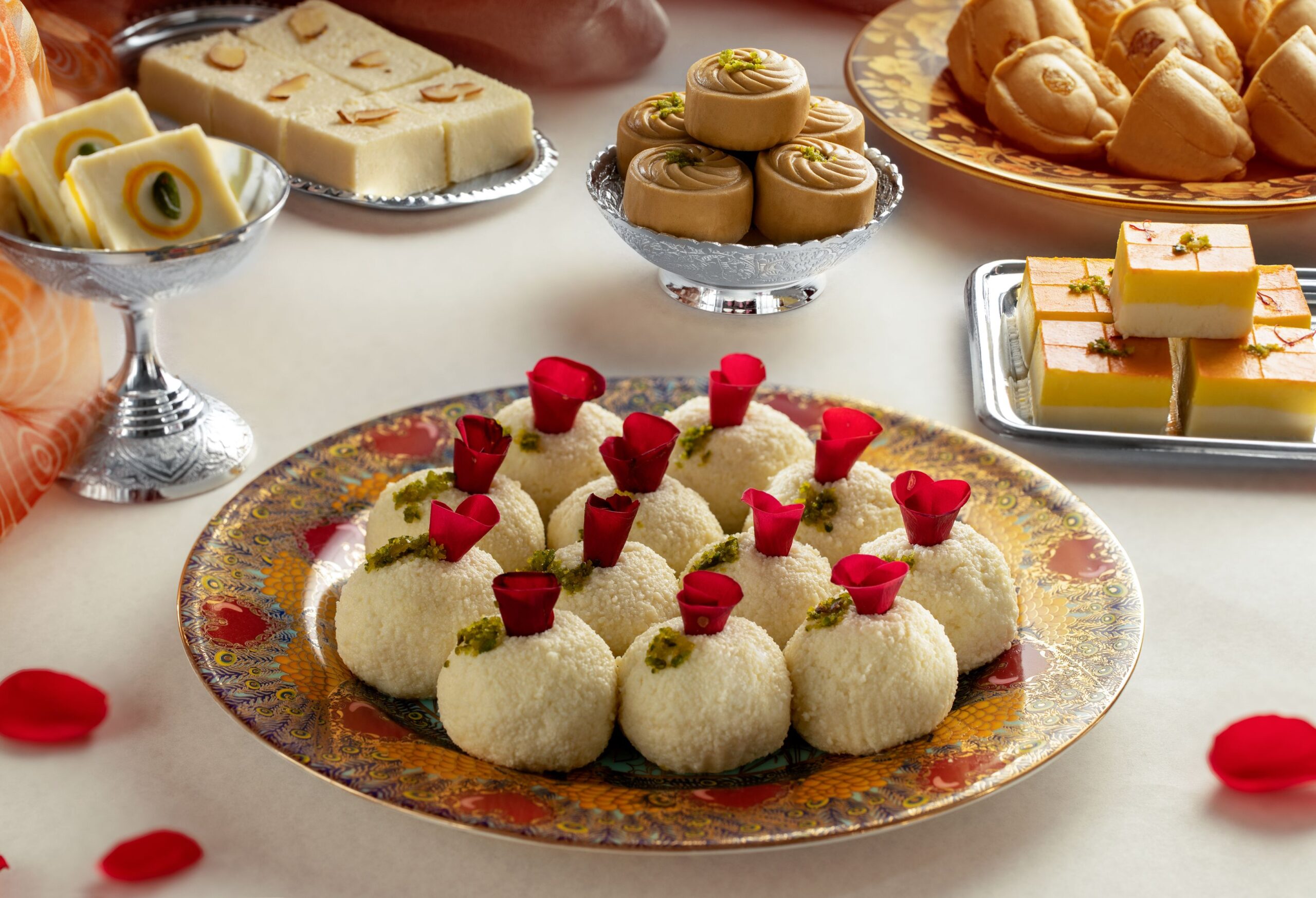
Rasgulla, rasmalai, cham cham, peda.
These need soft lighting and careful handling.
Texture and freshness matter the most.
Dry sweets photography
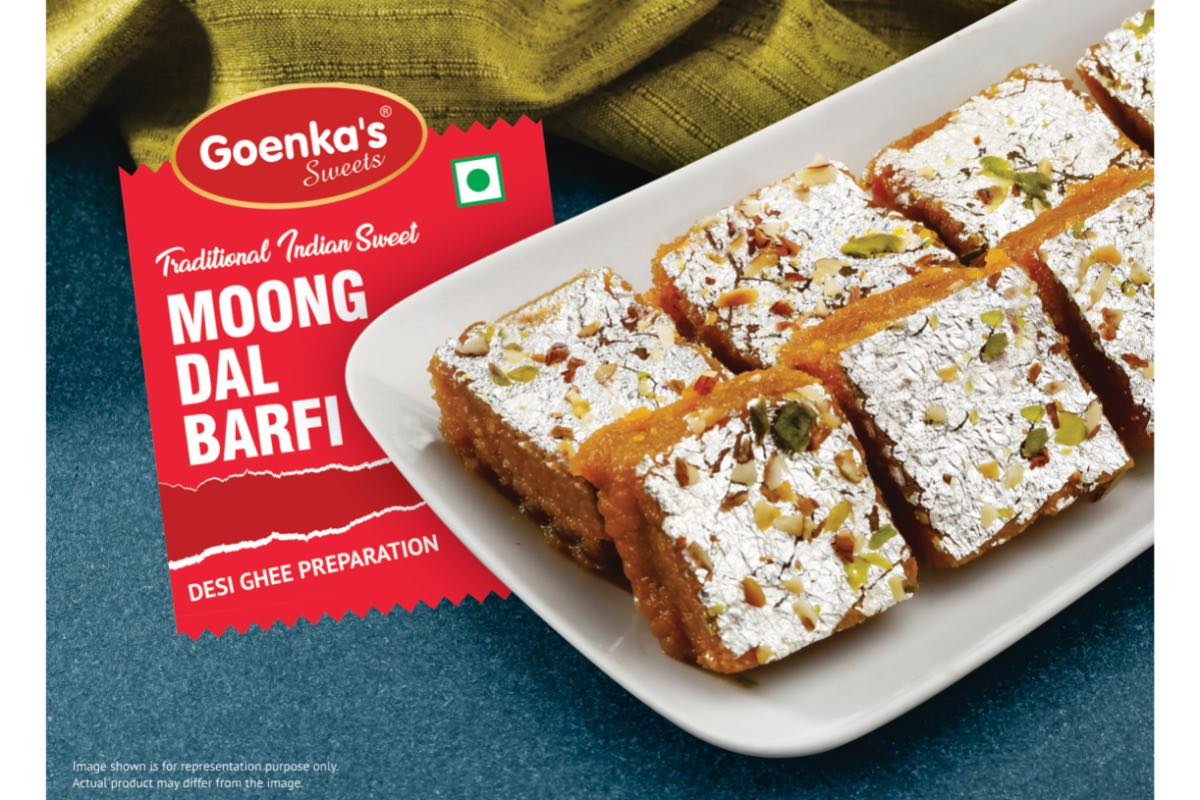
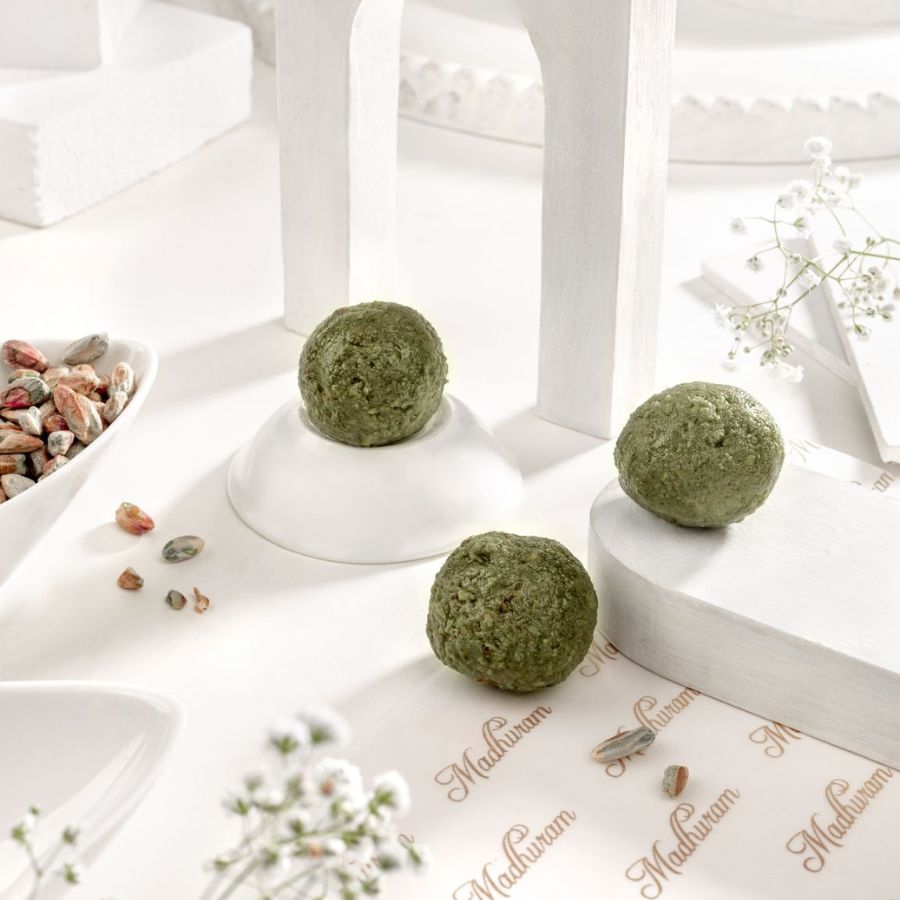
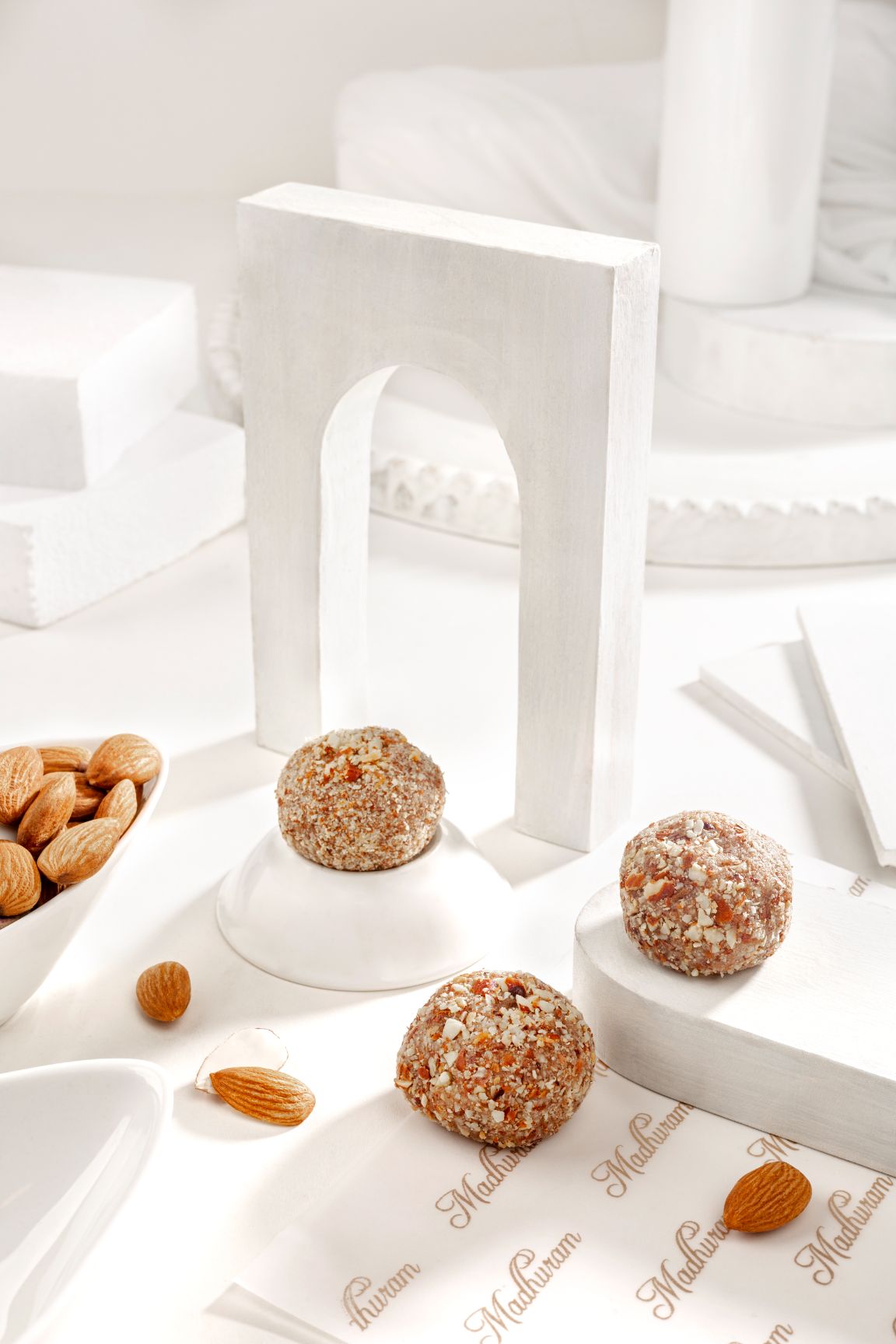
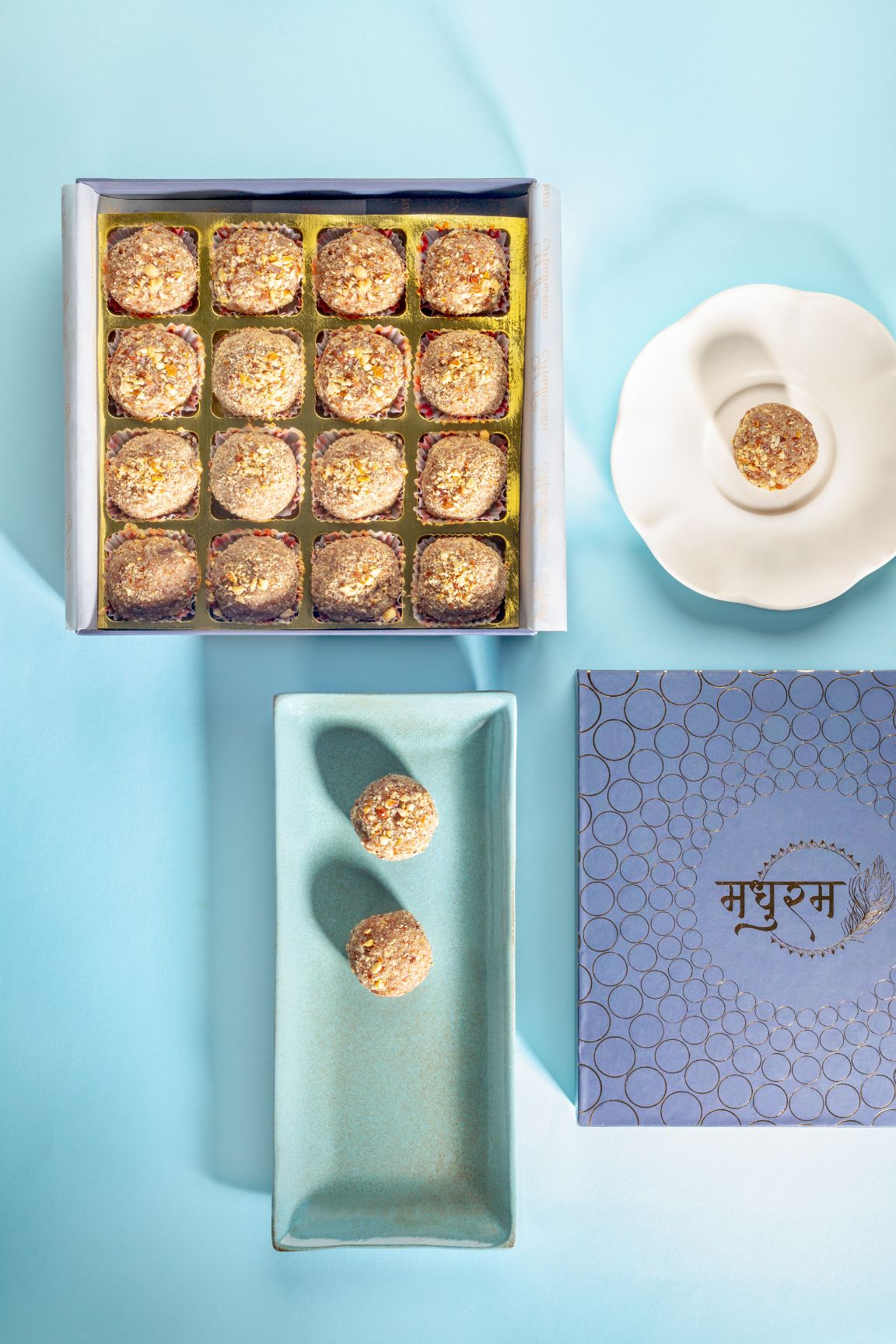
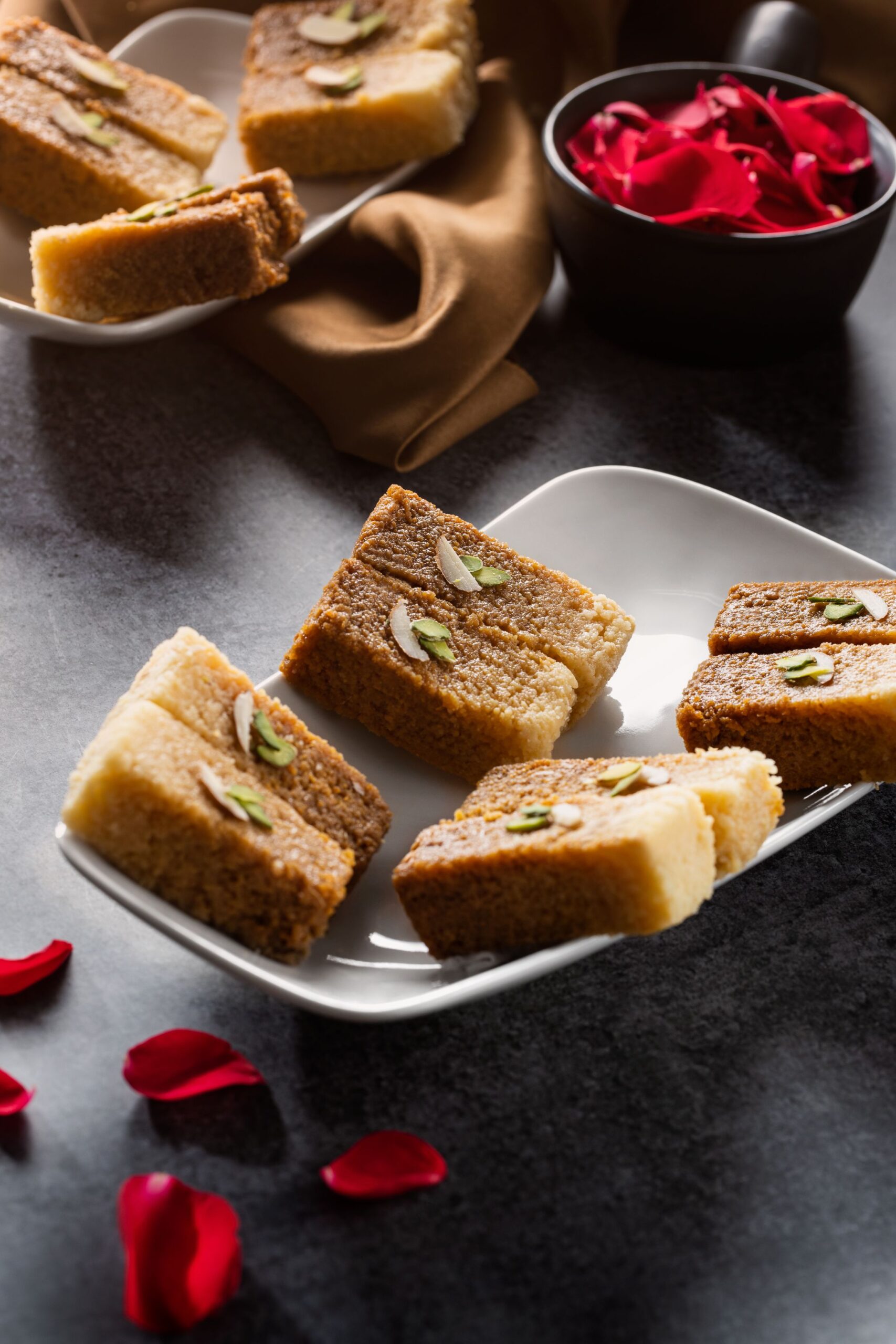
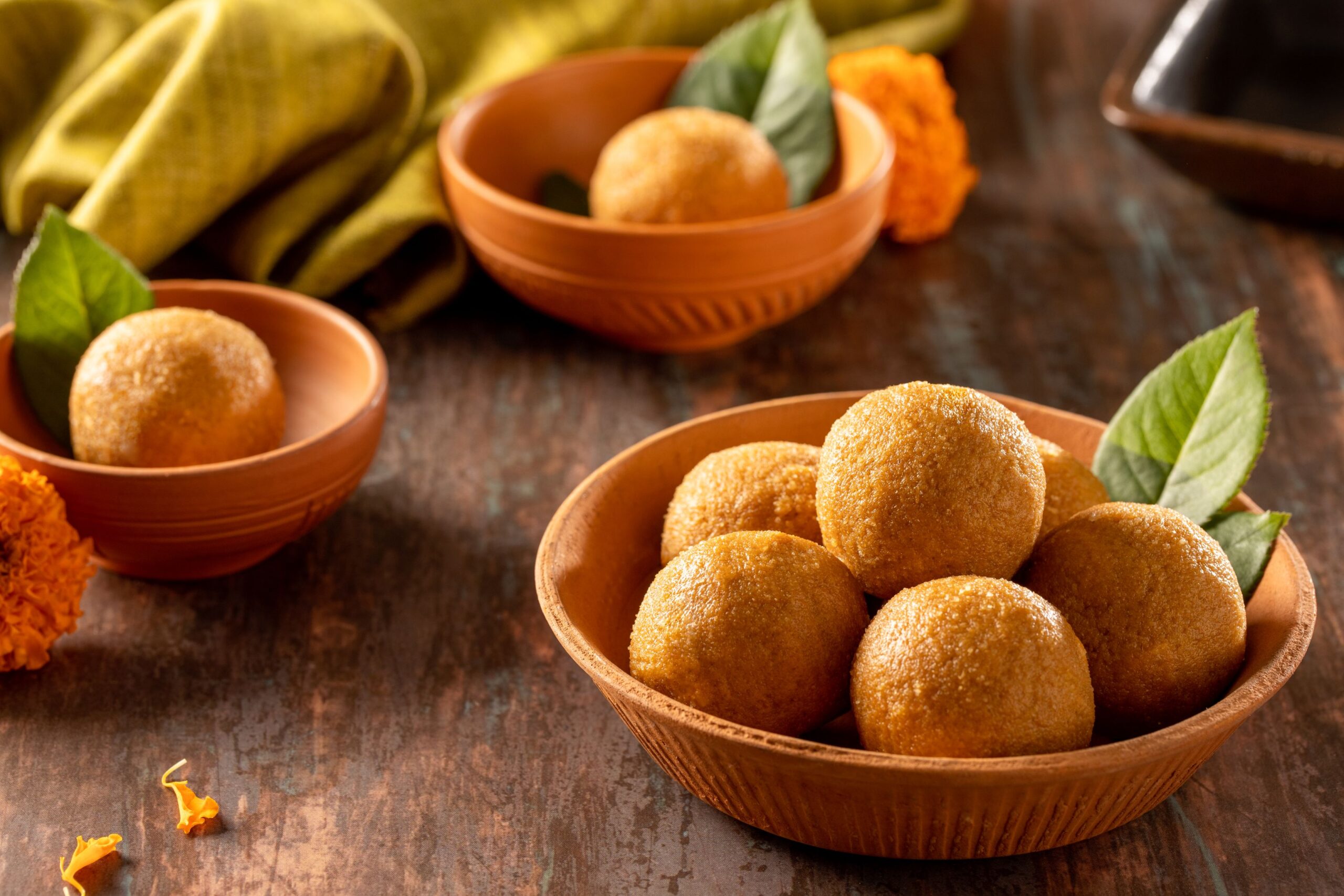
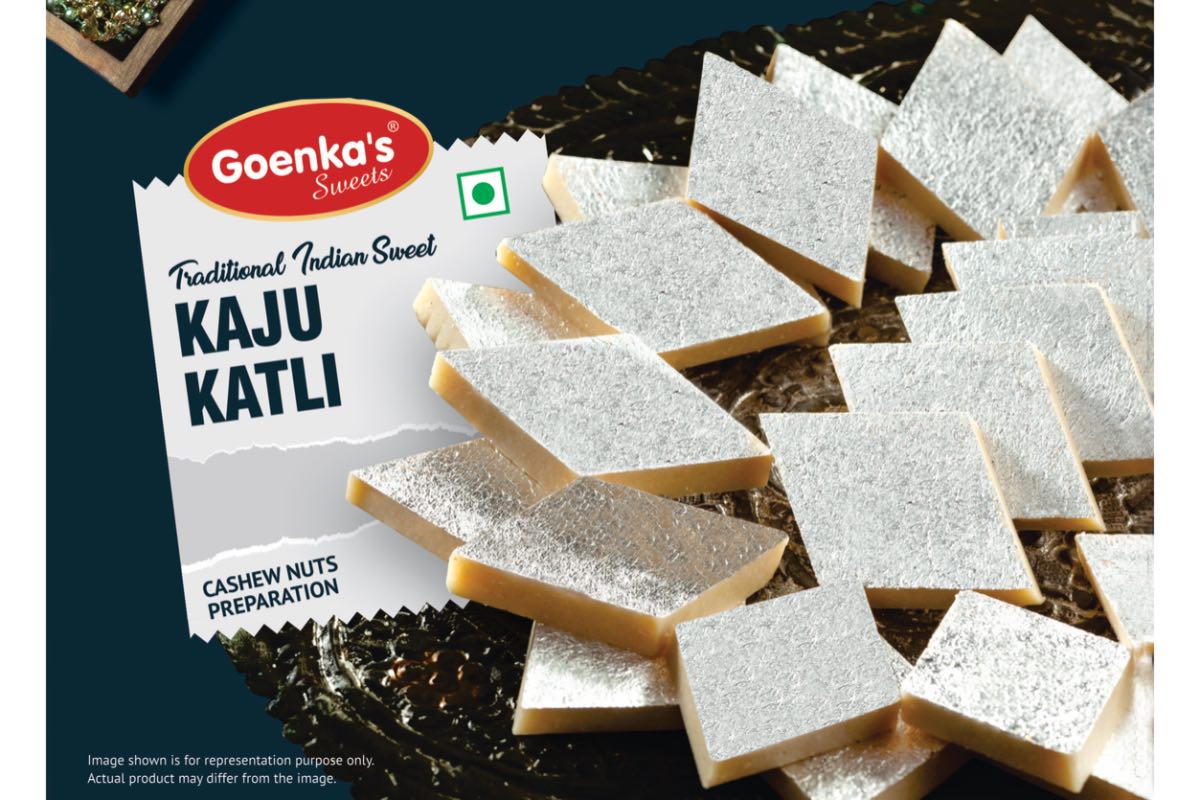
Kaju katli, besan ladoo, soan papdi, barfi.
These need clarity and sharpness without dryness.
Syrup-based sweets photography
Gulab jamun, jalebi, imarti.
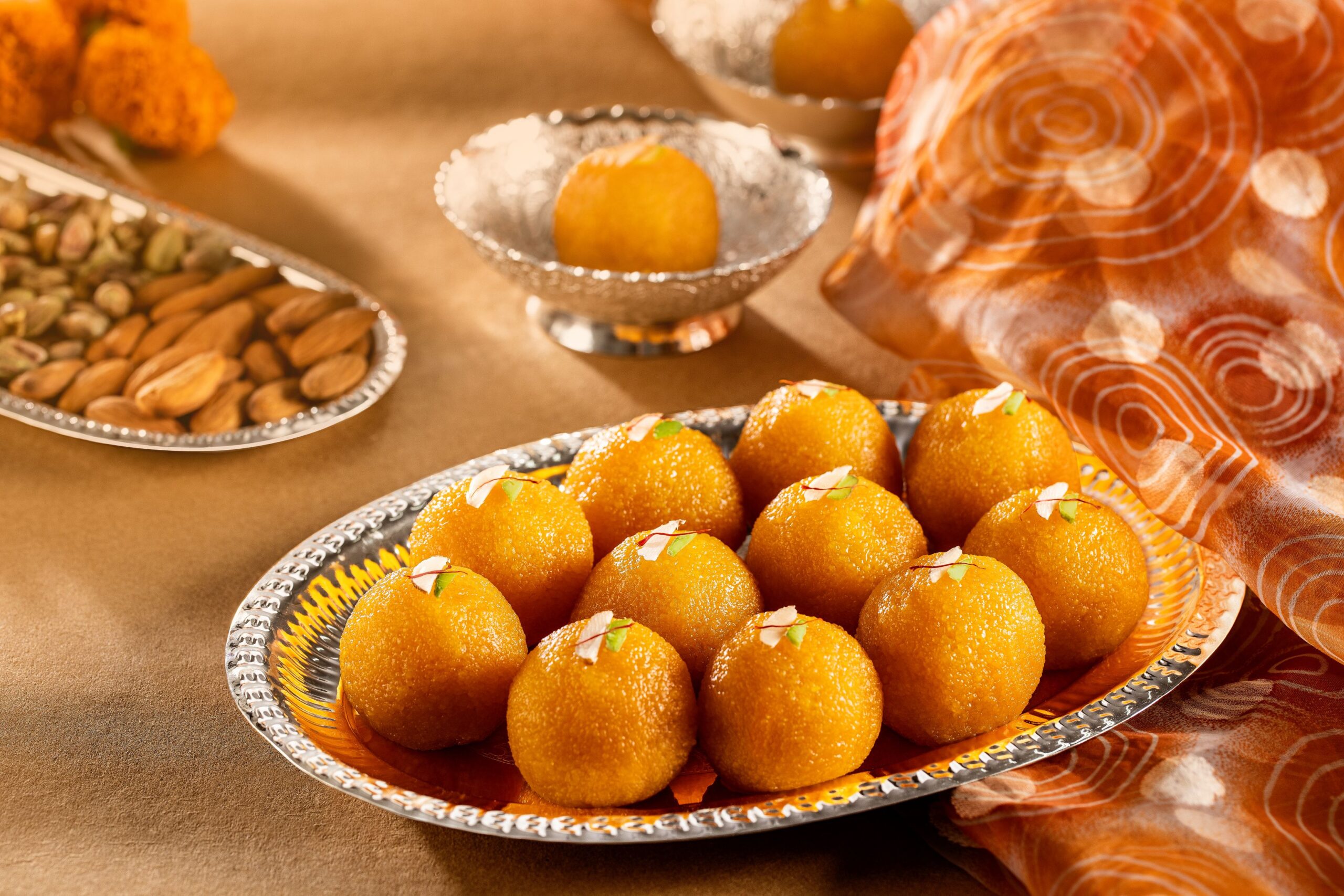
These are reflective and need controlled highlights.
Too much shine ruins the image.
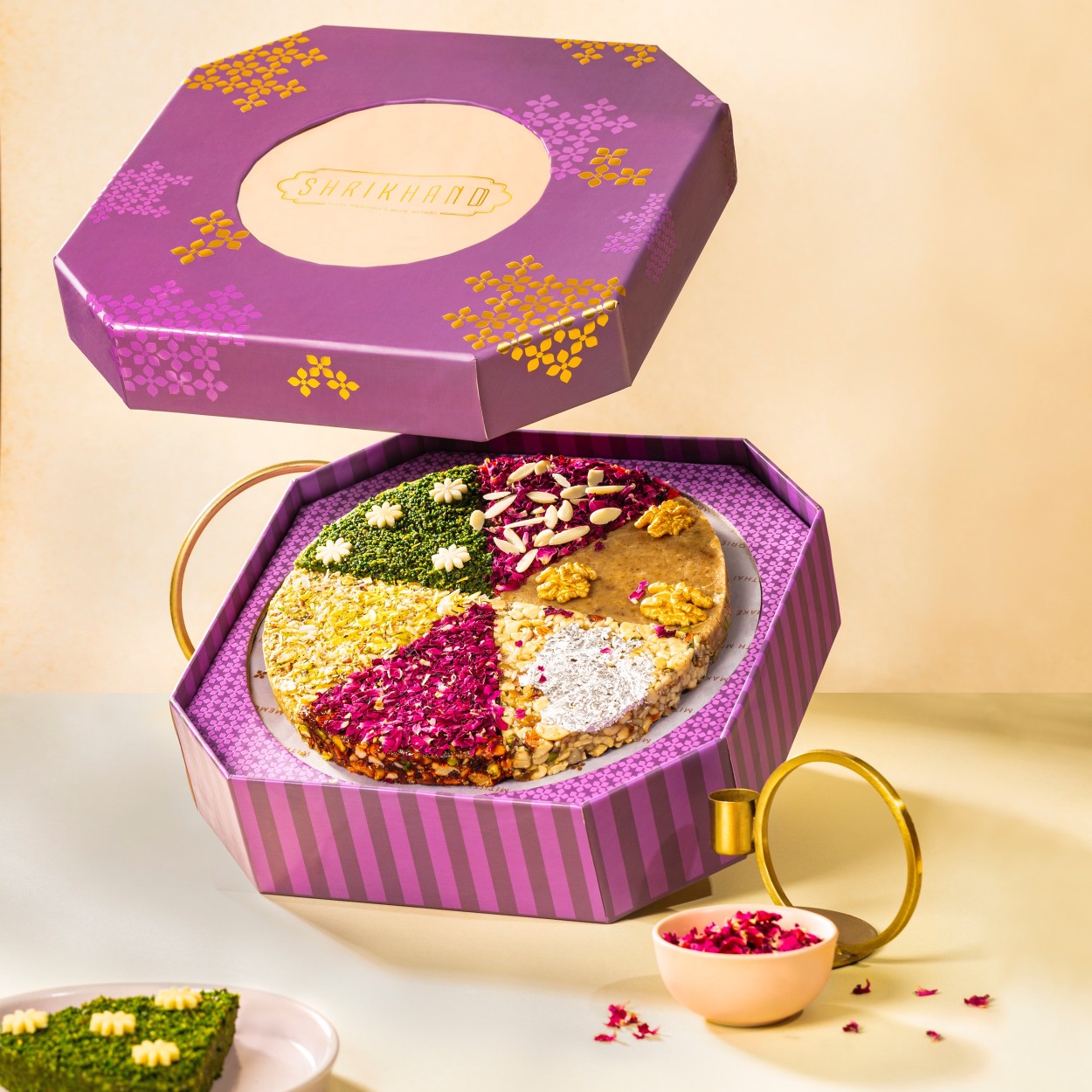
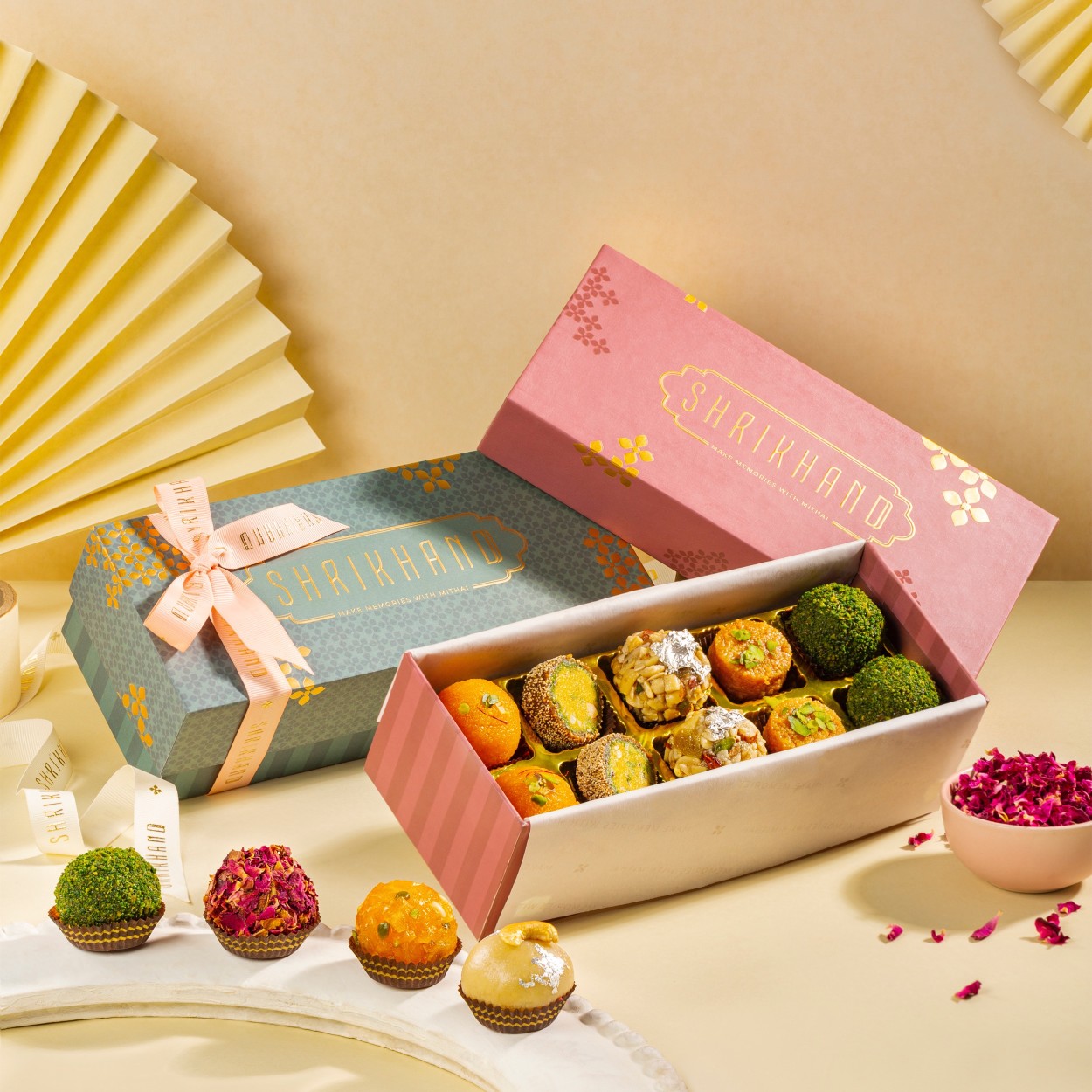
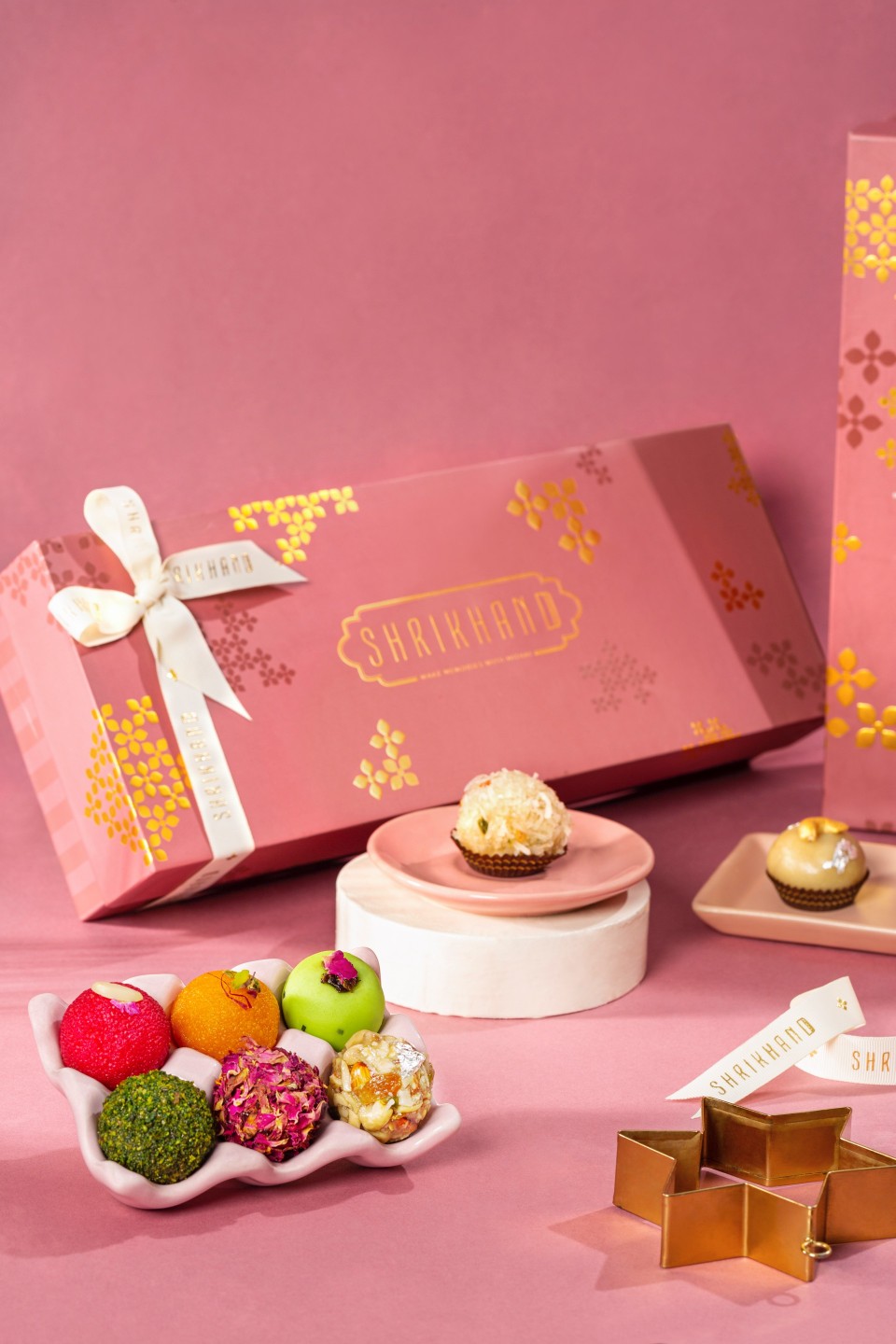
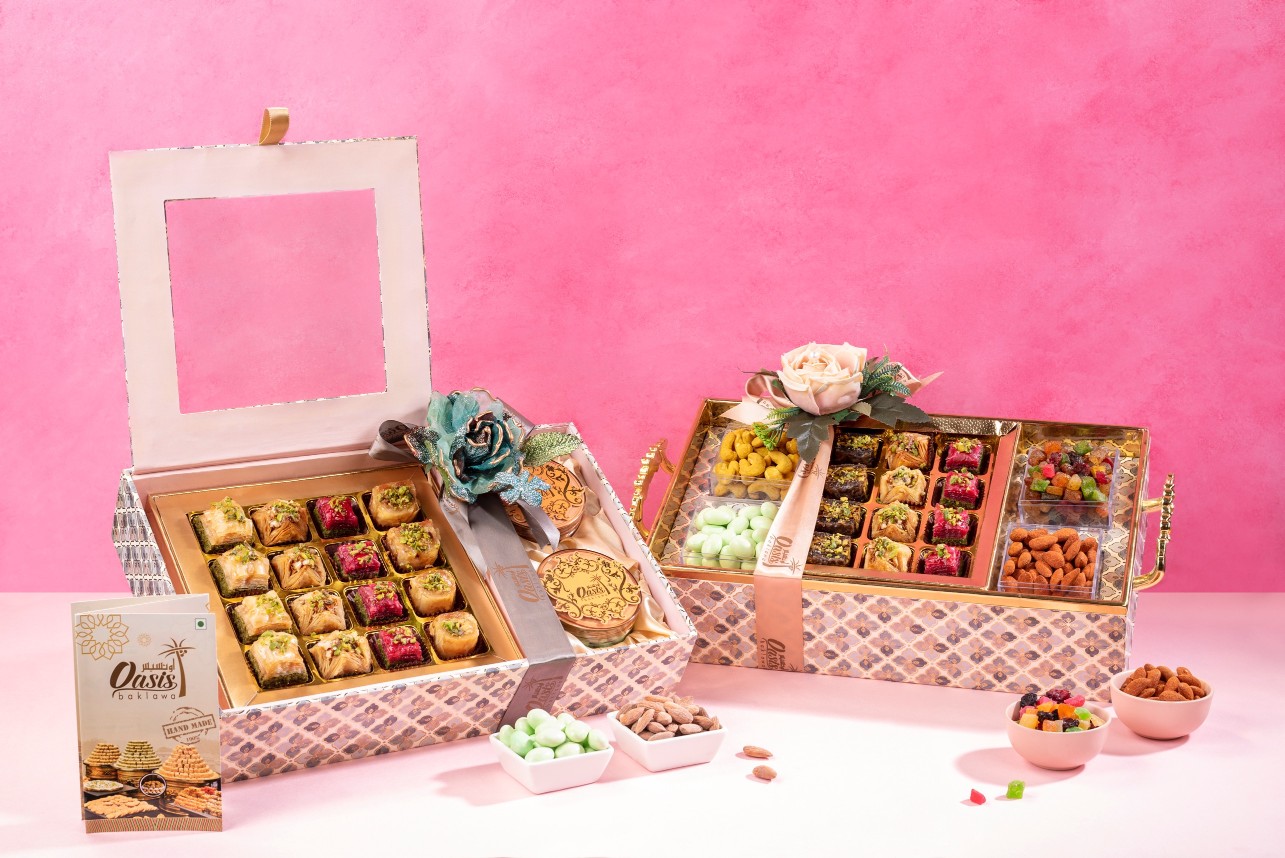
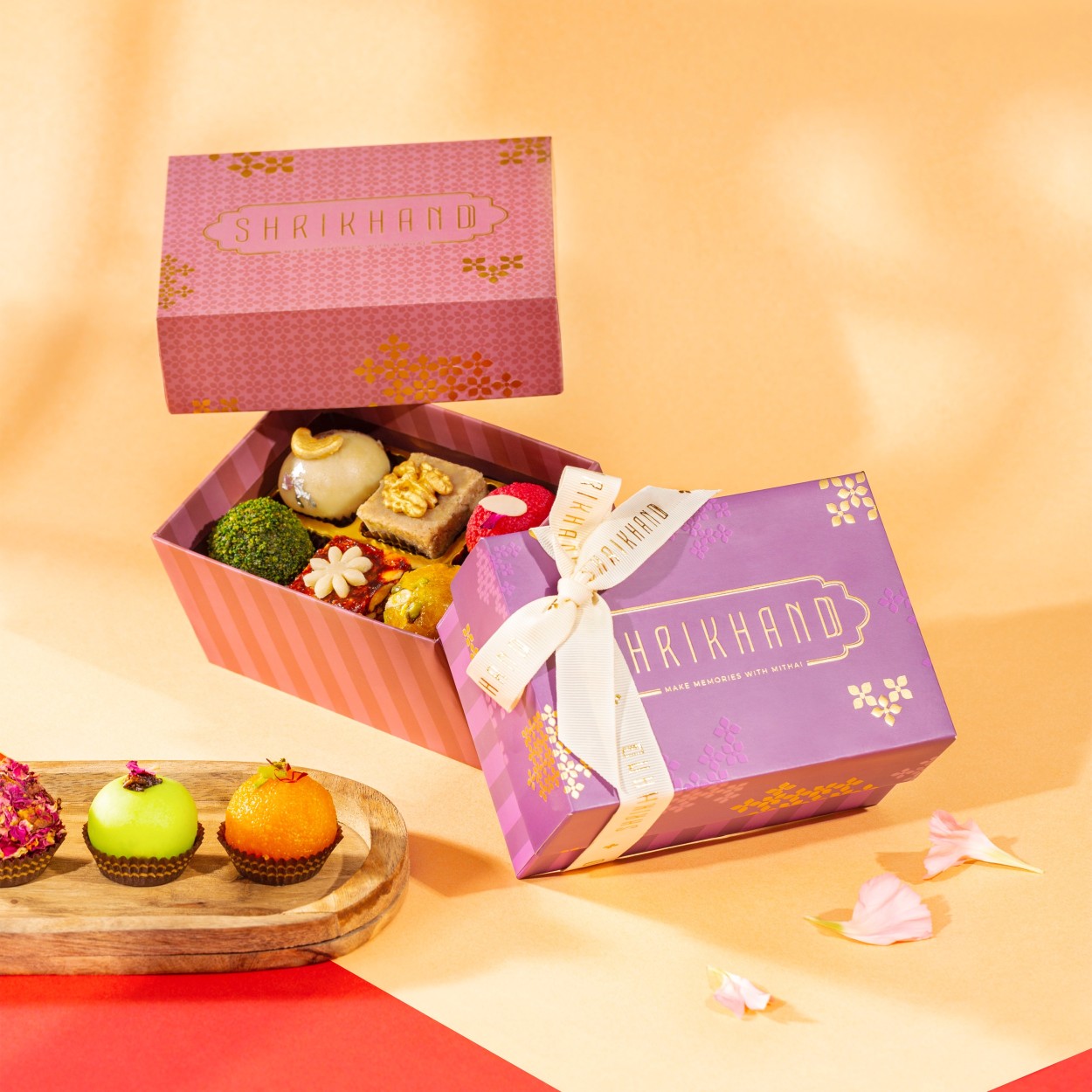
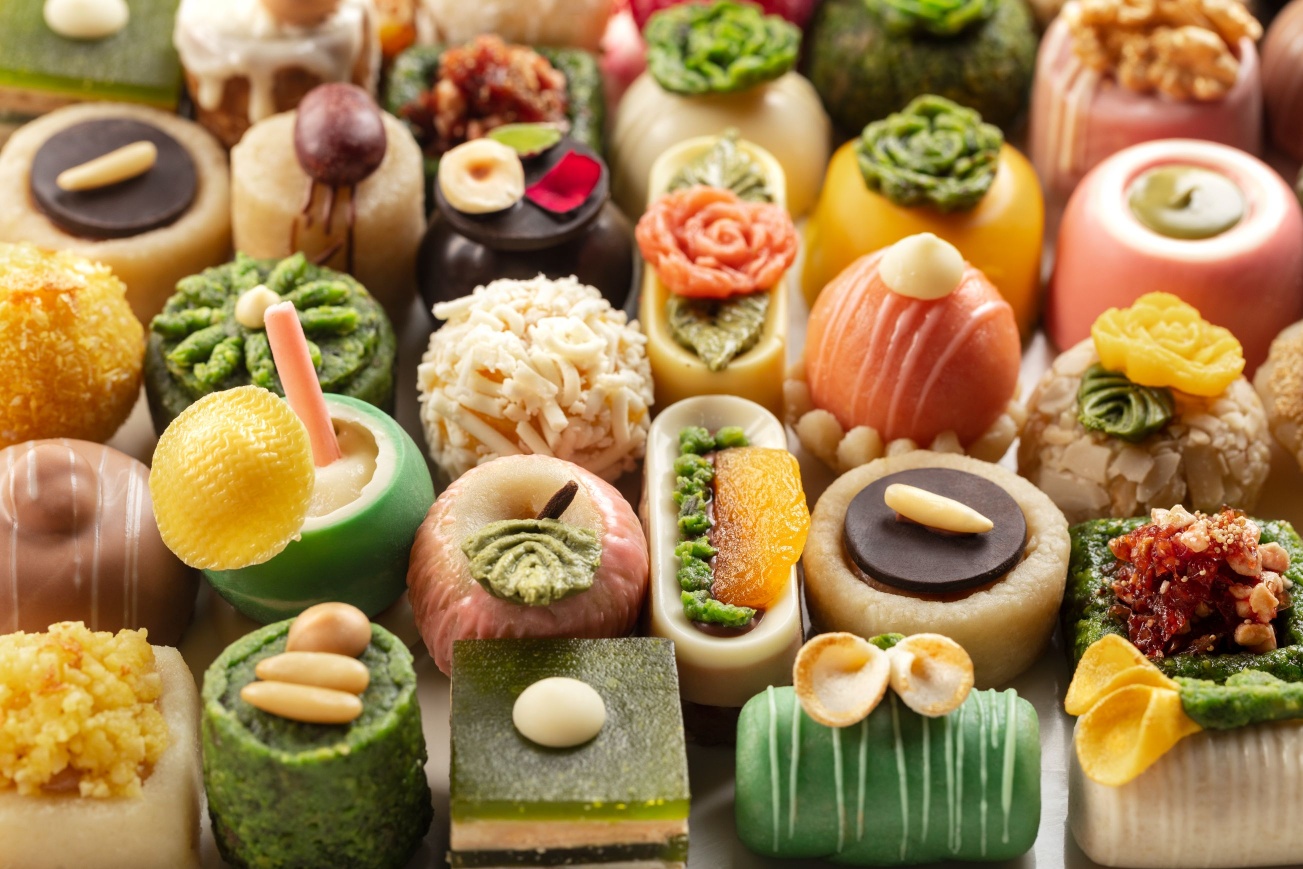
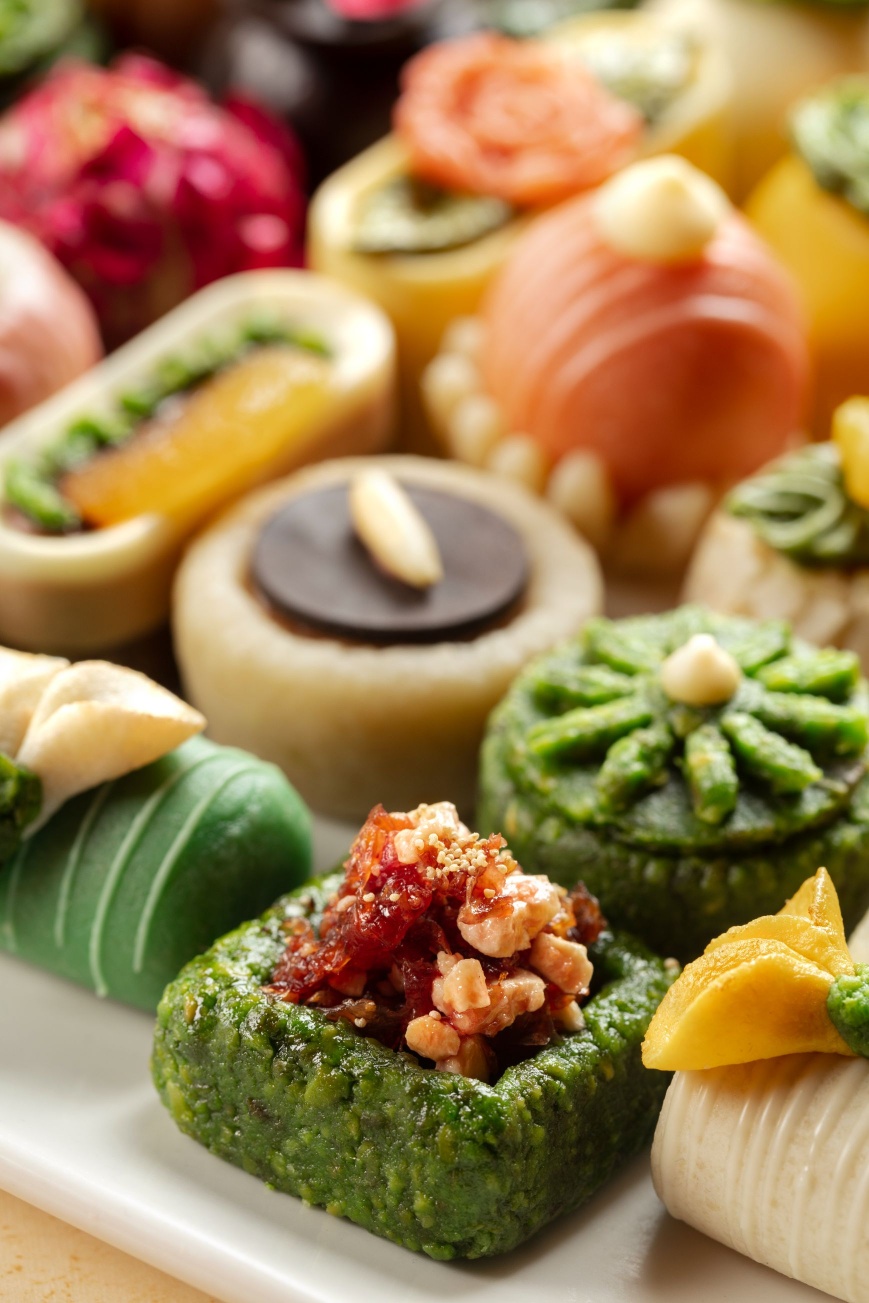
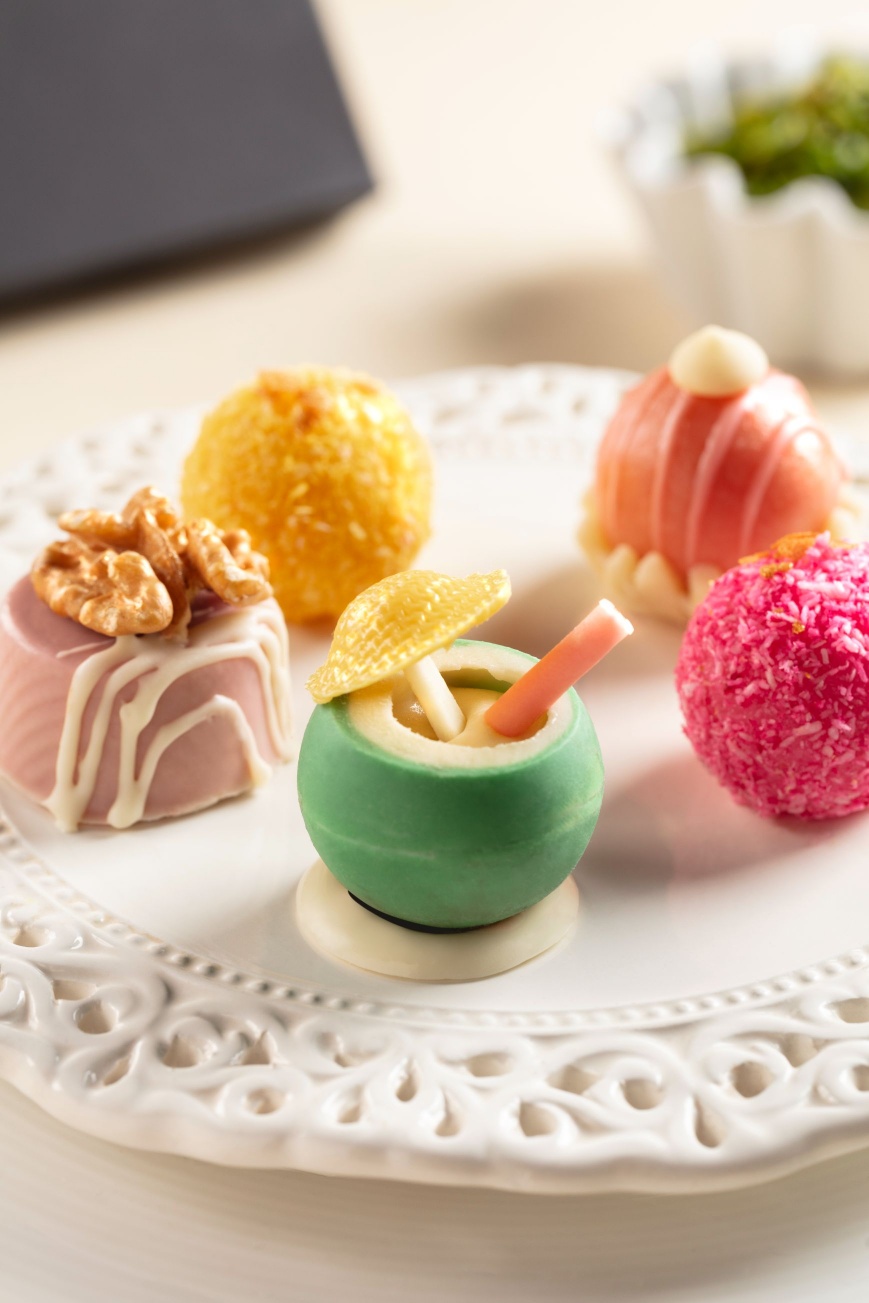
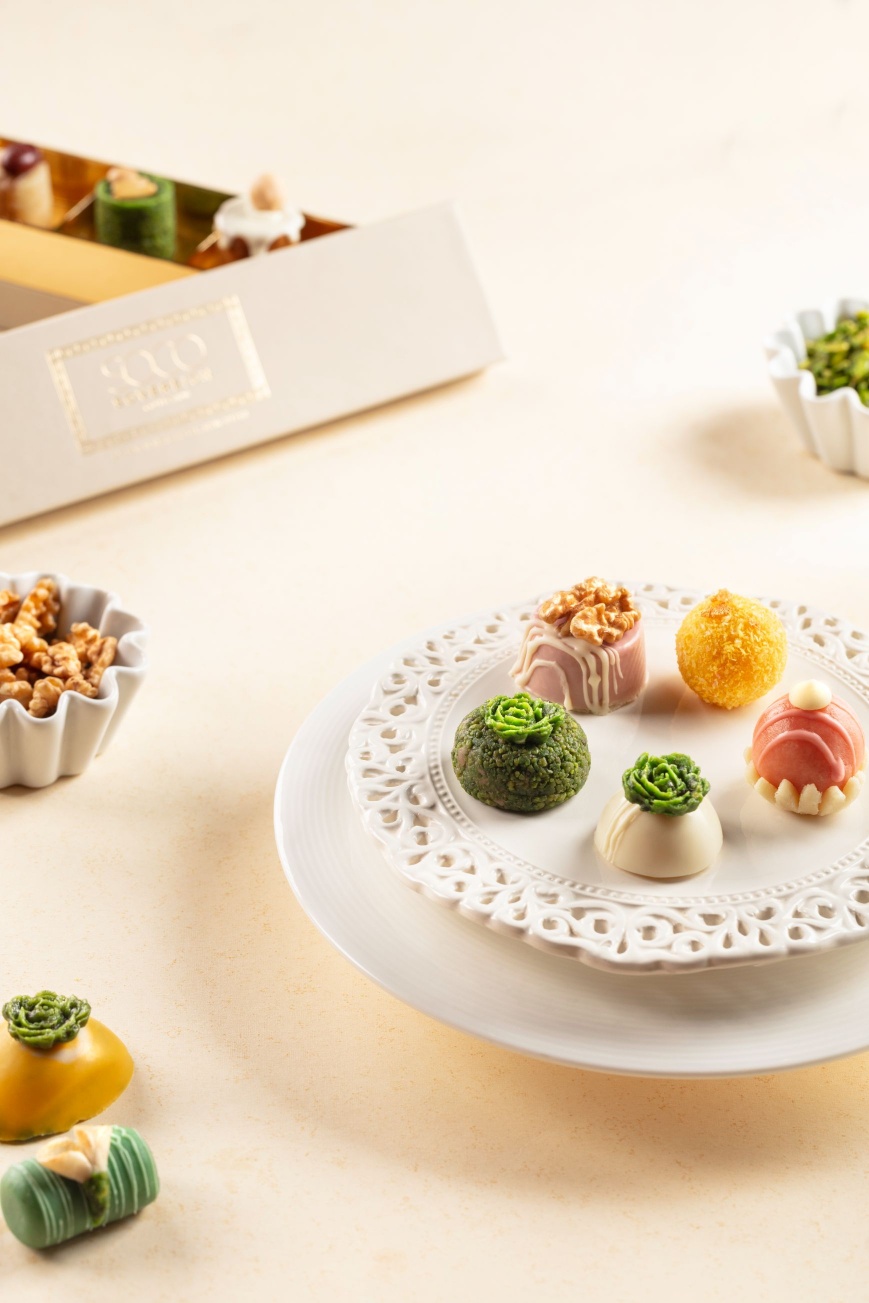
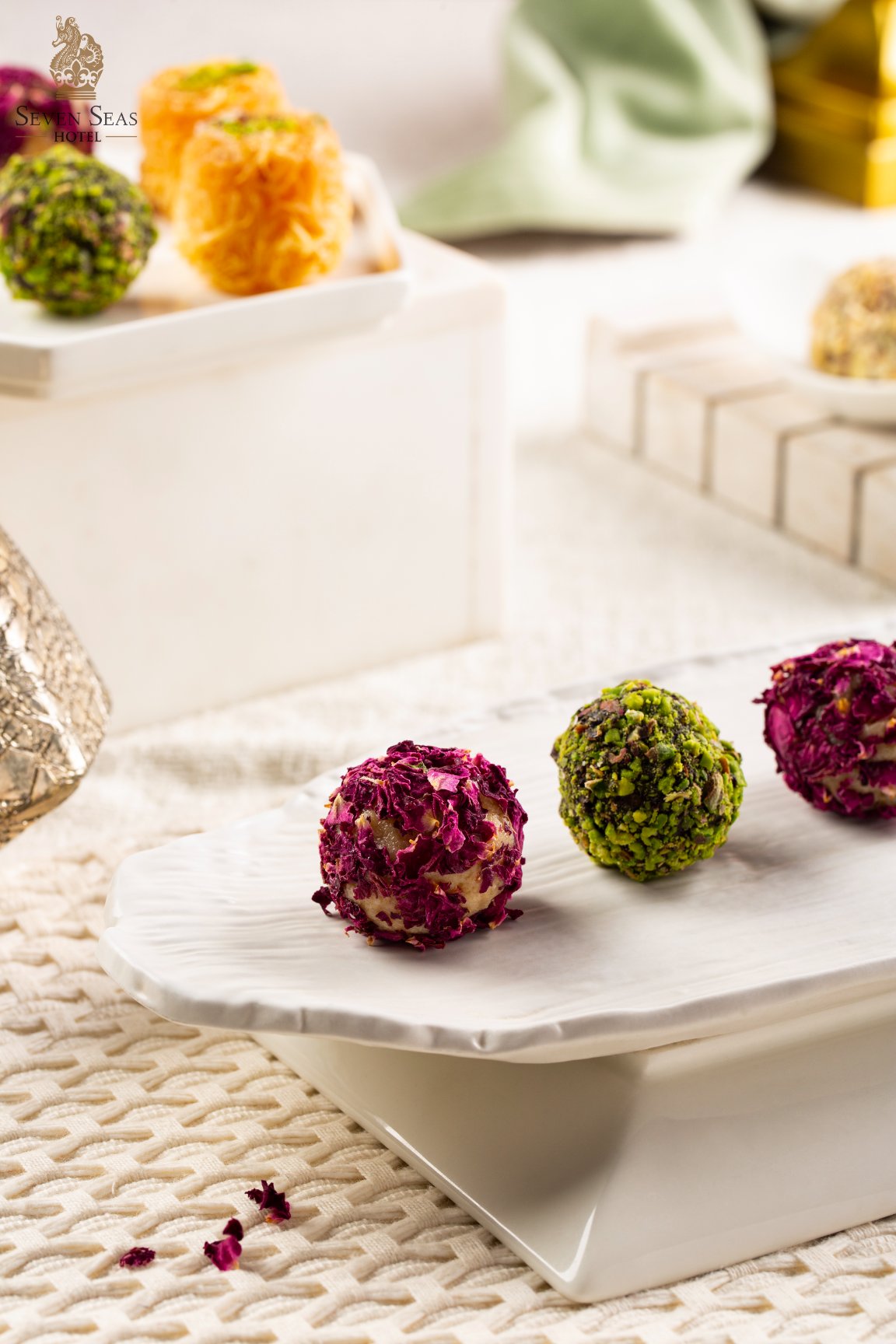
Assorted mithai and gift box photography
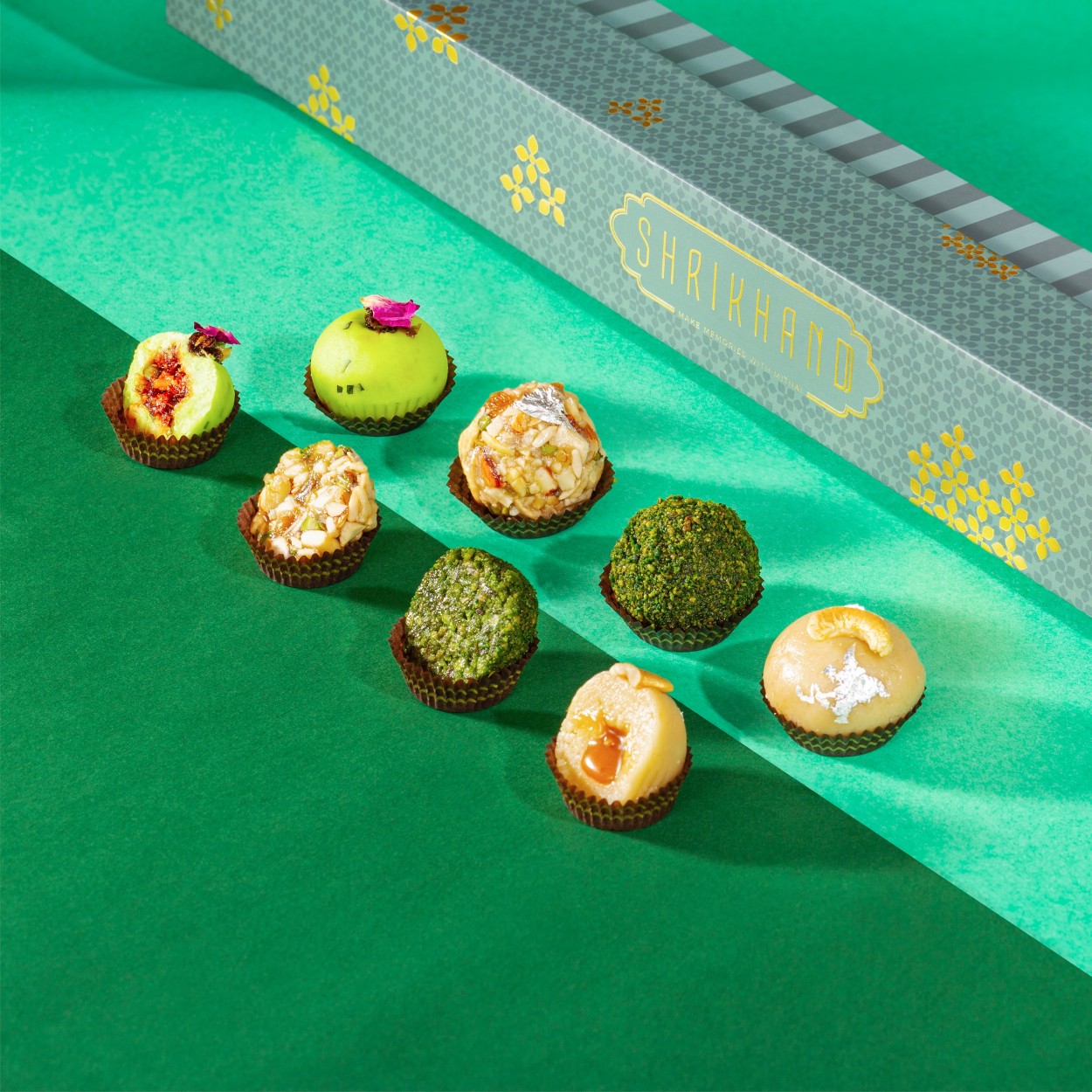
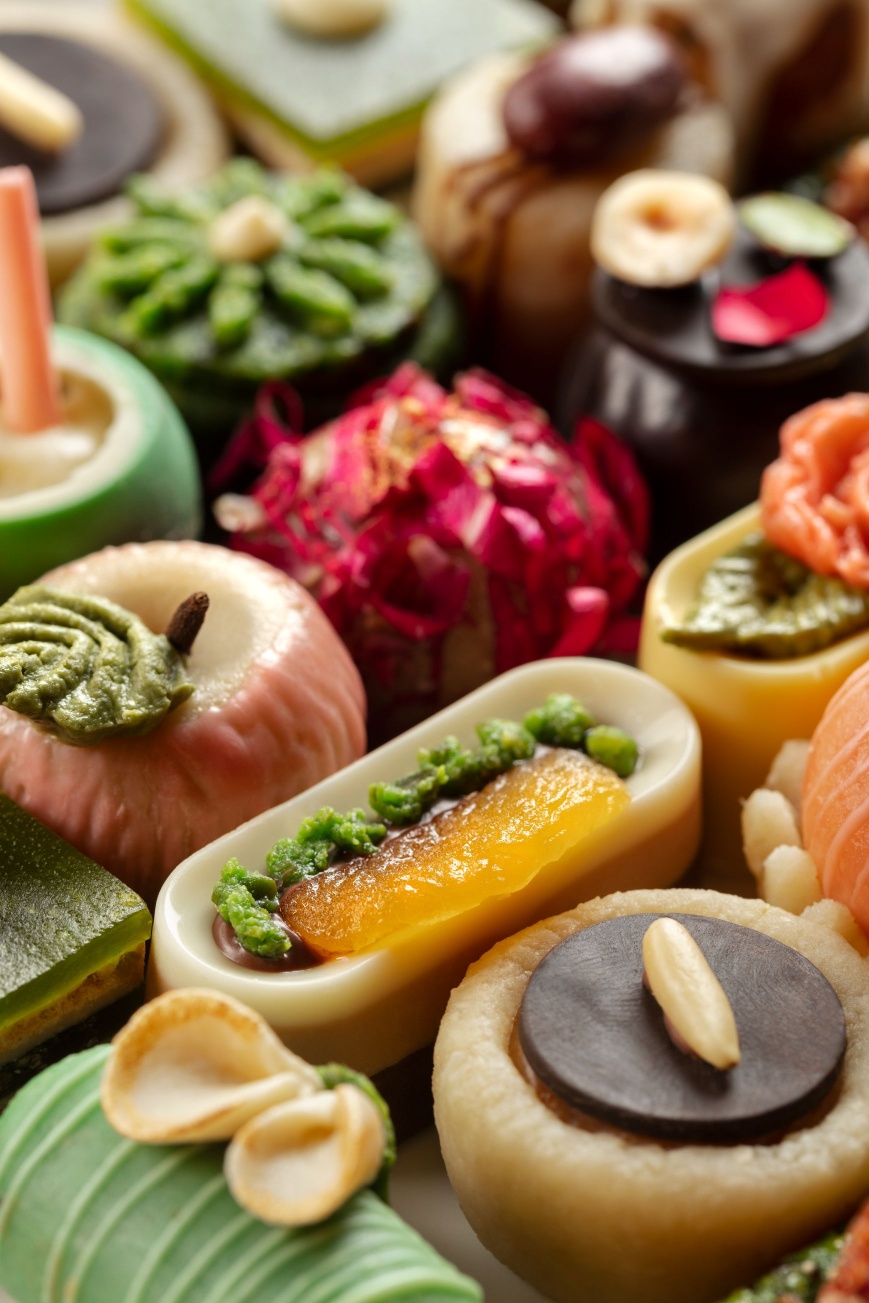
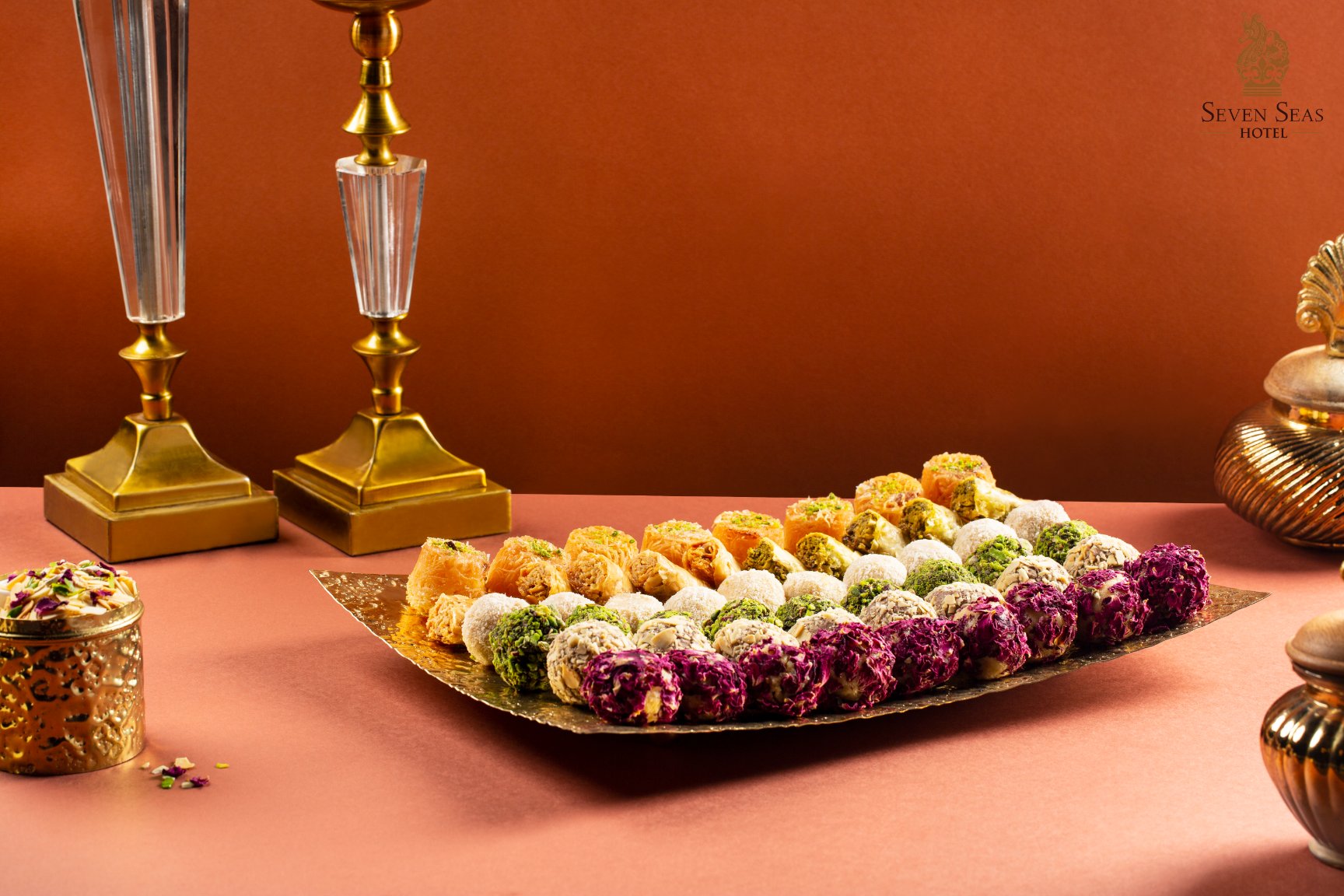
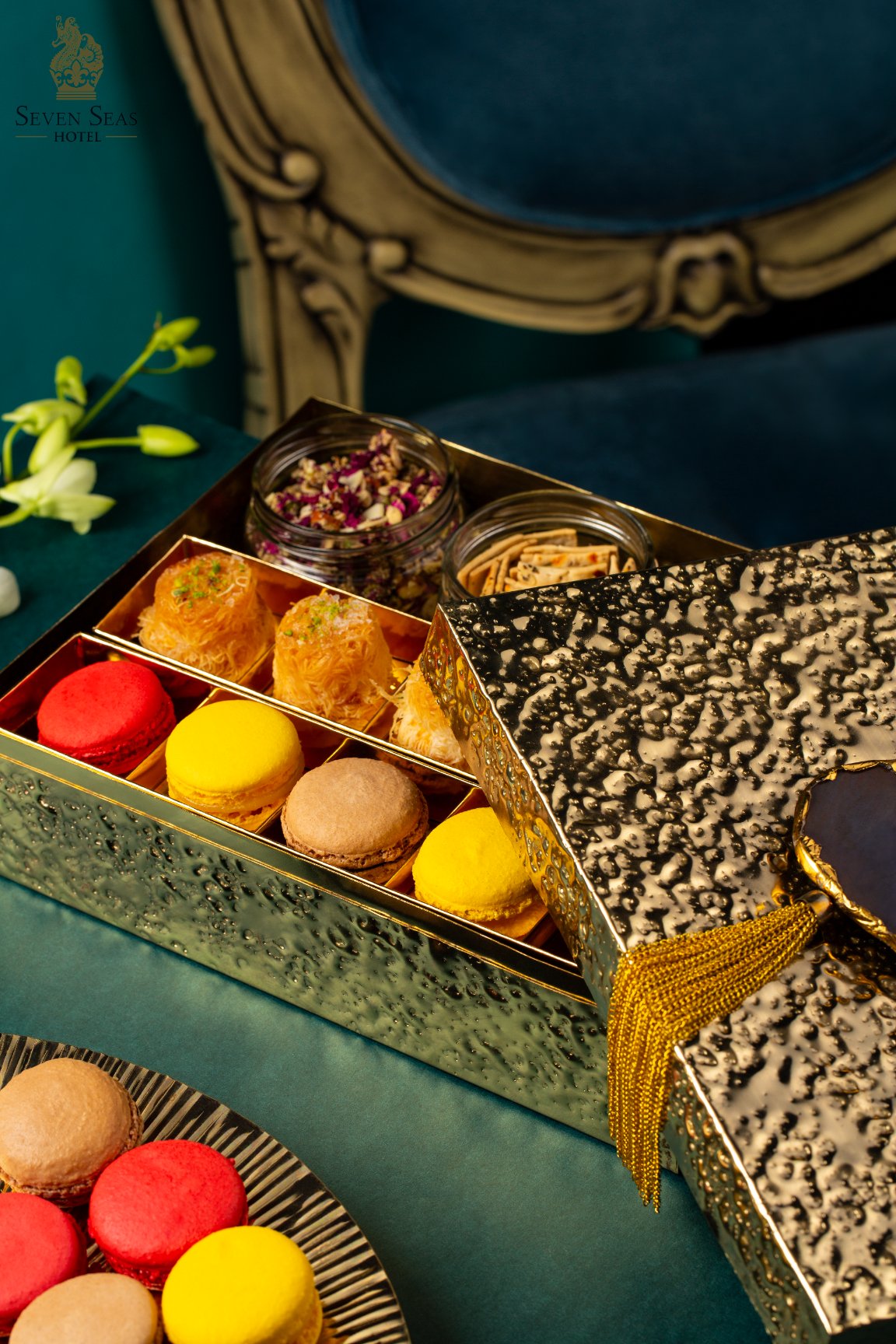
Multiple sweets photographed together.
These images are common during festivals and gifting seasons.
Often connected with hampers photography and advertising photography.
Practical benefits of good Indian sweets photography
Indian sweets photography doesn’t change recipes.
But it changes perception.
Clear images help customers:
Feel confident ordering Understand portions Trust freshness
For sweet shops, this means:
Better online orders Stronger festive sales Clearer menus
For brands and sellers, it means:
More trust Better presentation Reusable visuals
Good mithai images don’t go out of style quickly.
They can be reused year after year.
Why clients choose Ravikant Photography
Clients usually come to me because they don’t want their sweets to look fake.
They want them to look familiar.
Comforting.
I understand Indian food culture.
I know how mithai is made, served, and sold.
I don’t over-style sweets. I don’t add artificial shine. I don’t turn traditional food into something unrecognizable.
Based in Delhi NCR, I work closely with sweet shops, restaurants, brands, and e-commerce sellers.
Many clients start with Indian sweets photography and later book food photography, product photography, or hampers photography for festivals and gifting.
That long-term trust matters to me.
Common questions about Indian sweets photography
“Do you use fake syrup or oil for shine?”
No.
I work with real sweets and real presentation.
“Can these photos be used for delivery apps?”
Yes.
Clarity and honesty matter most there.
“How many sweets can be shot in one session?”
It depends on variety.
Similar sweets move faster. Different types need more adjustment.
“Can you shoot festive assortments?”
Yes.
Especially during Diwali, weddings, and celebrations.
“Do you also handle other food photography?”
Yes.
Along with Indian sweets photography, I regularly work on food photography, product photography, hampers photography, and advertising photography.
Let’s talk about your sweets photography
If you’re looking for Indian sweets photography in Delhi NCR and want images that feel familiar, fresh, and trustworthy, let’s talk.
You don’t need a complicated brief.
Just tell me what you sell and where you sell it.
Ravikant Photography
Delhi NCR
Email: Ravikantphotography@gmail.com
Phone: 9873049773
Reach out when you’re ready. We’ll keep it honest and simple.