
Food Photography

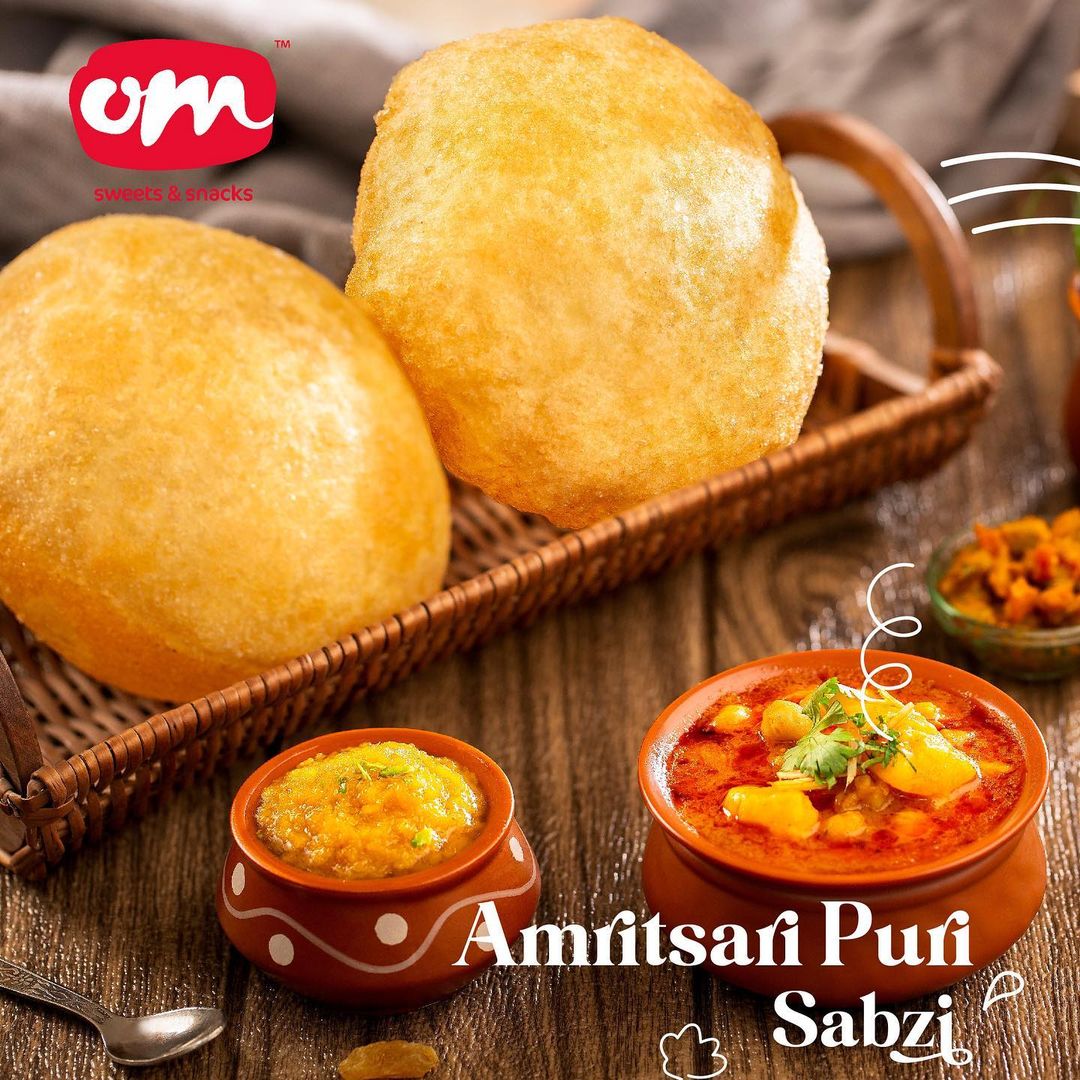
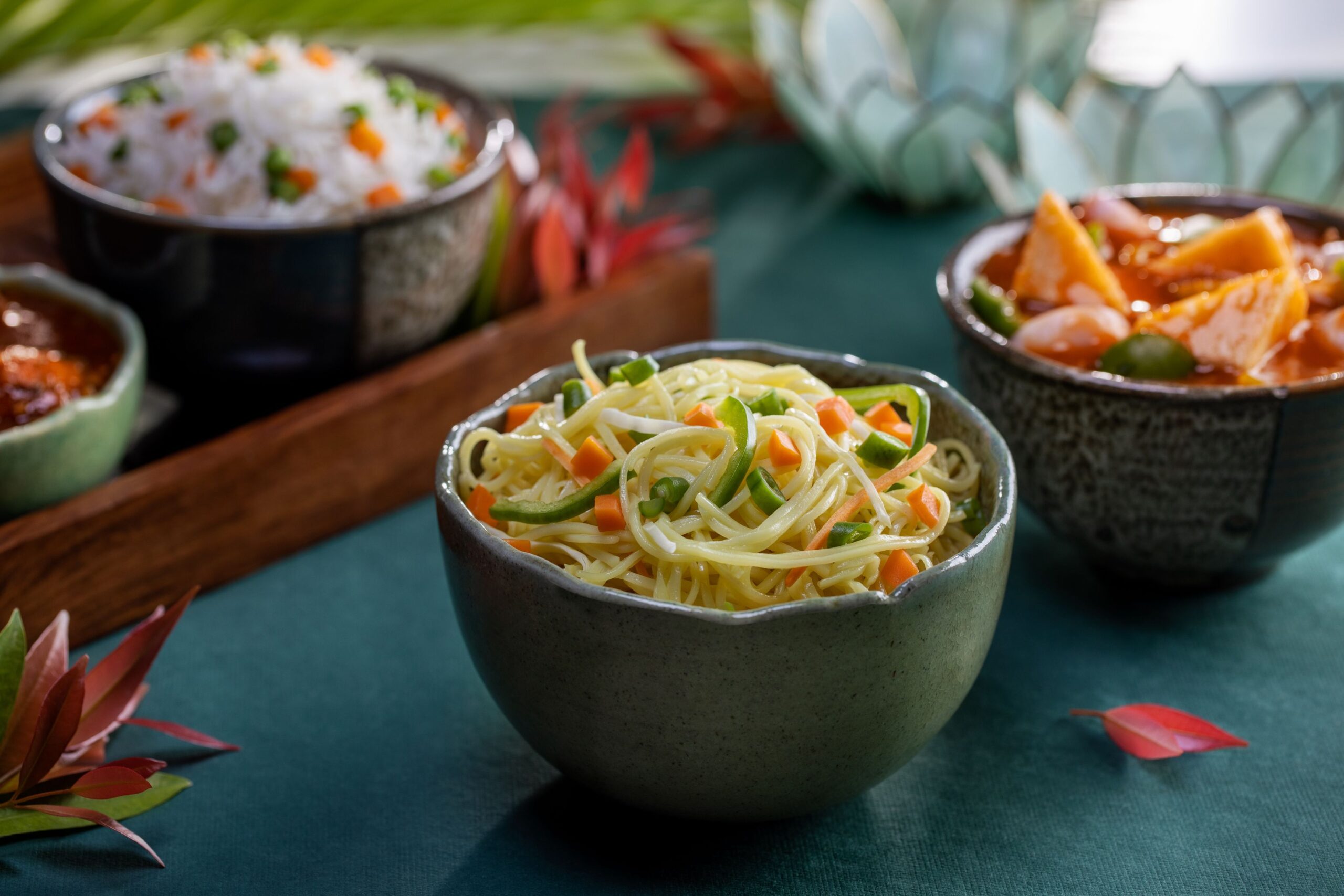


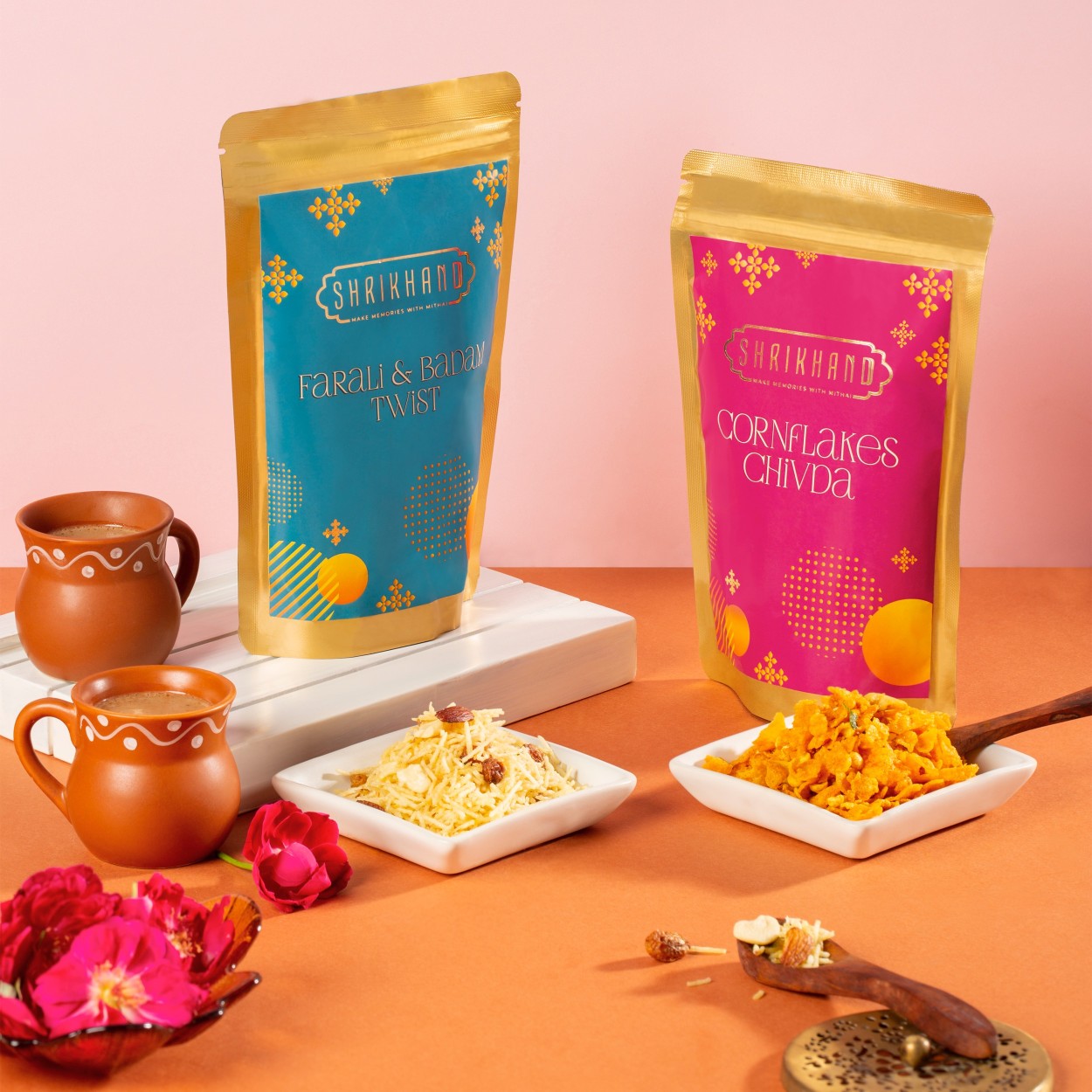
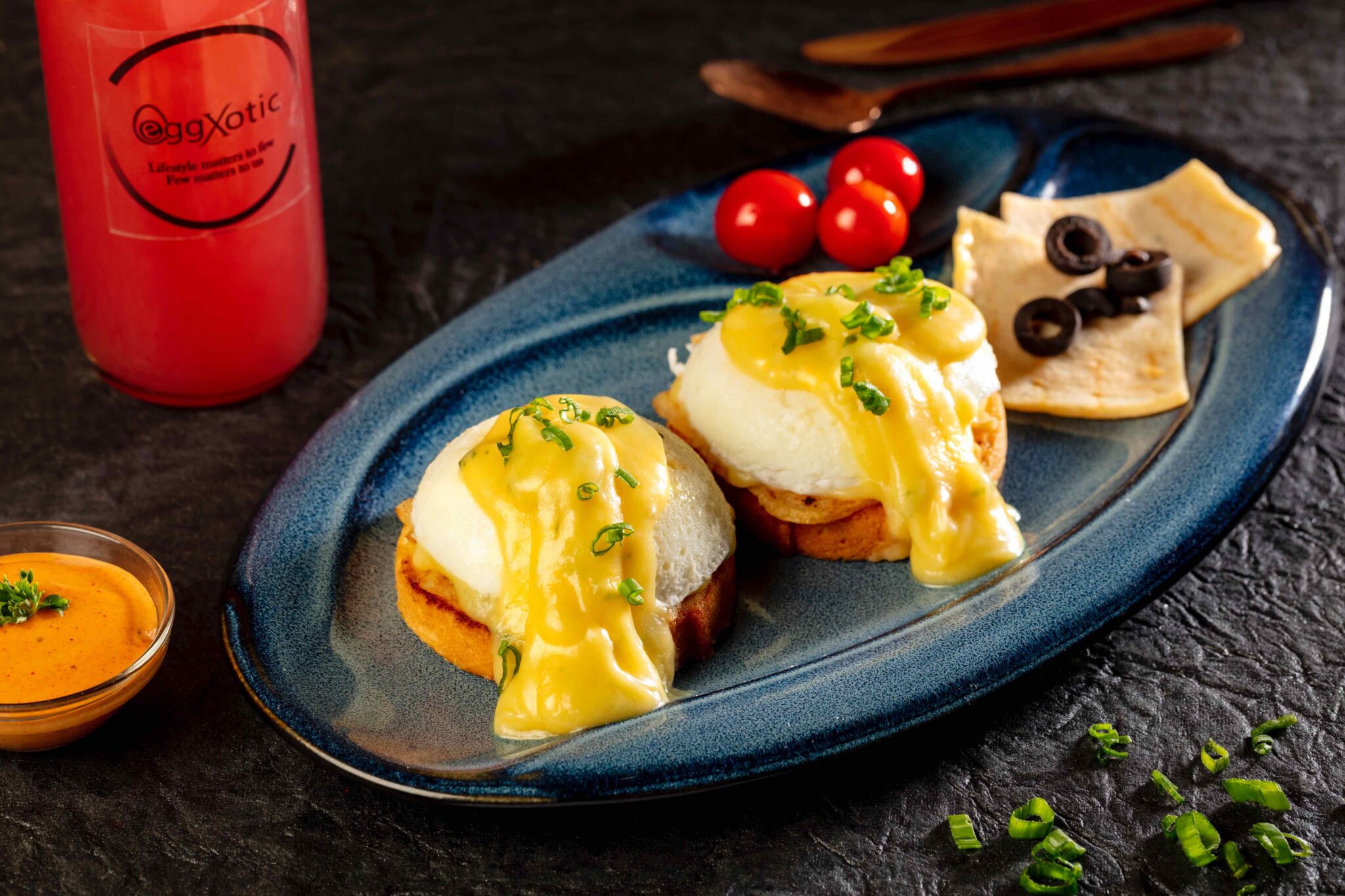


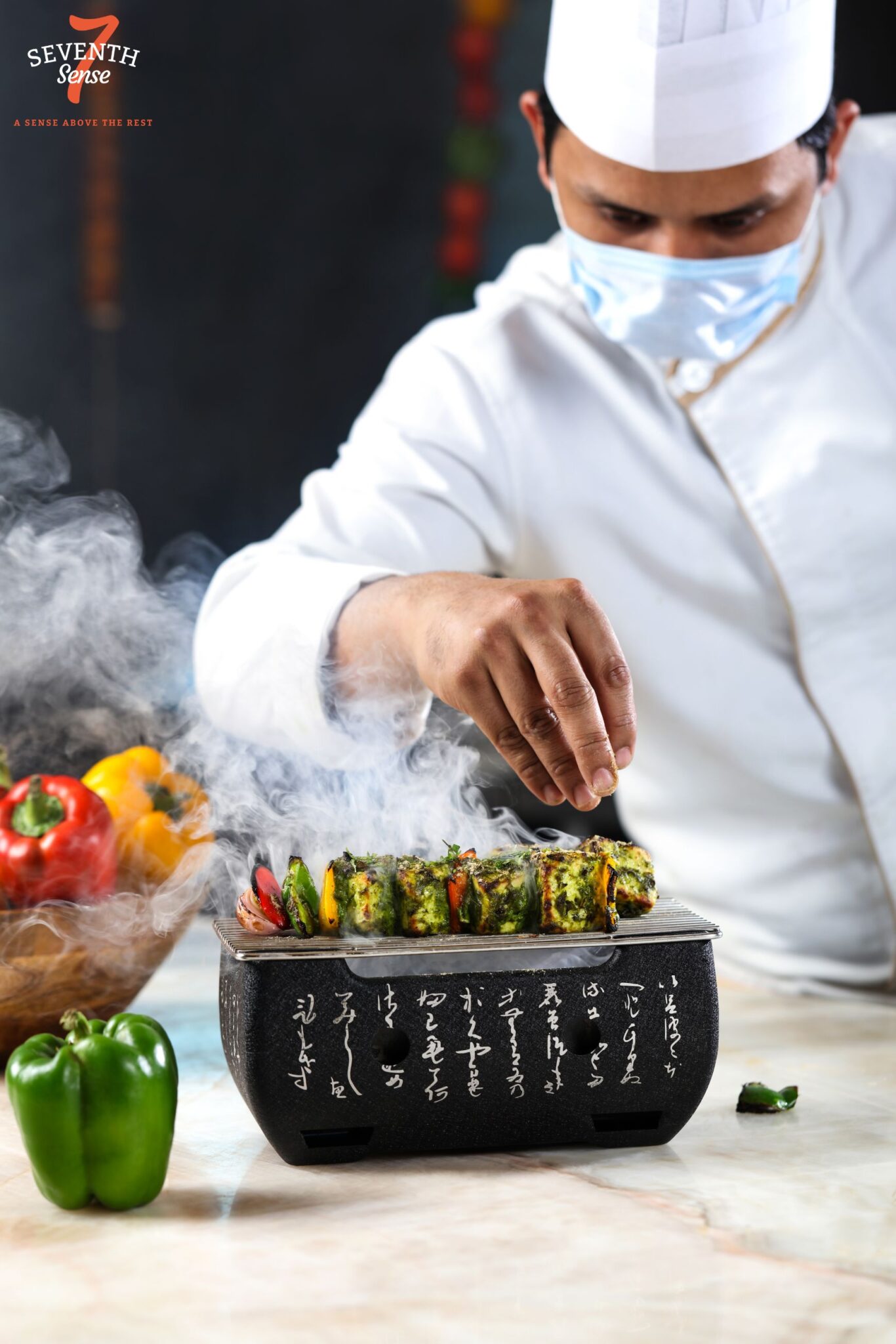


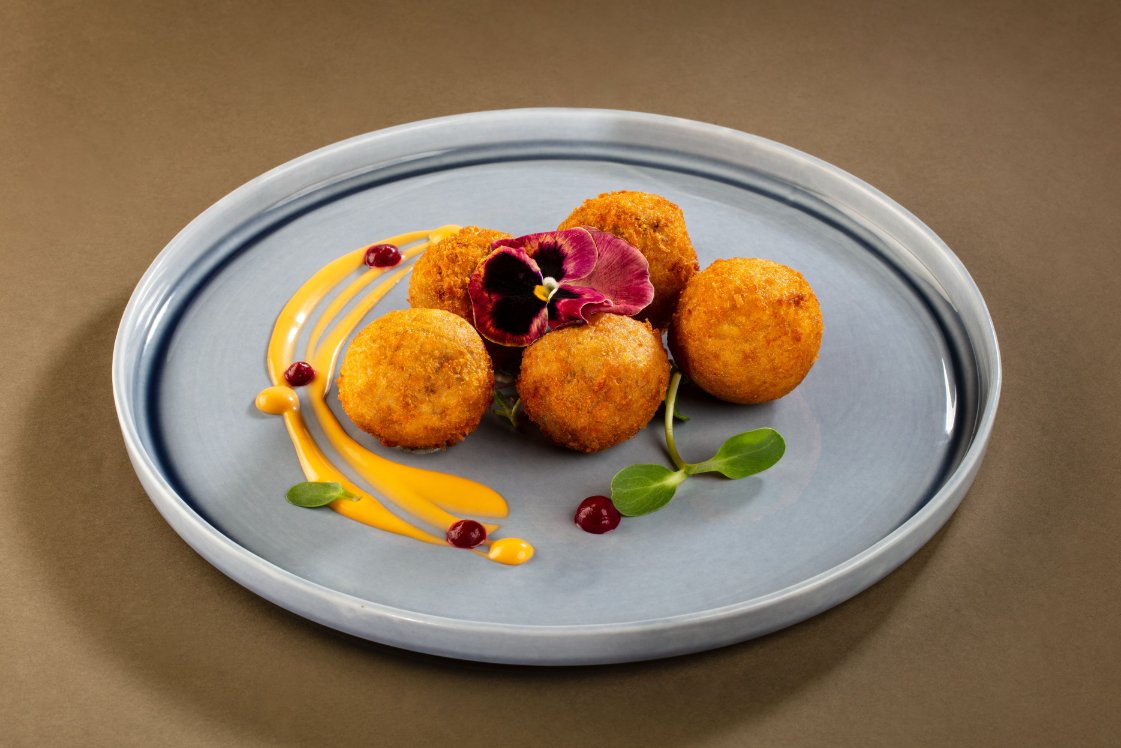

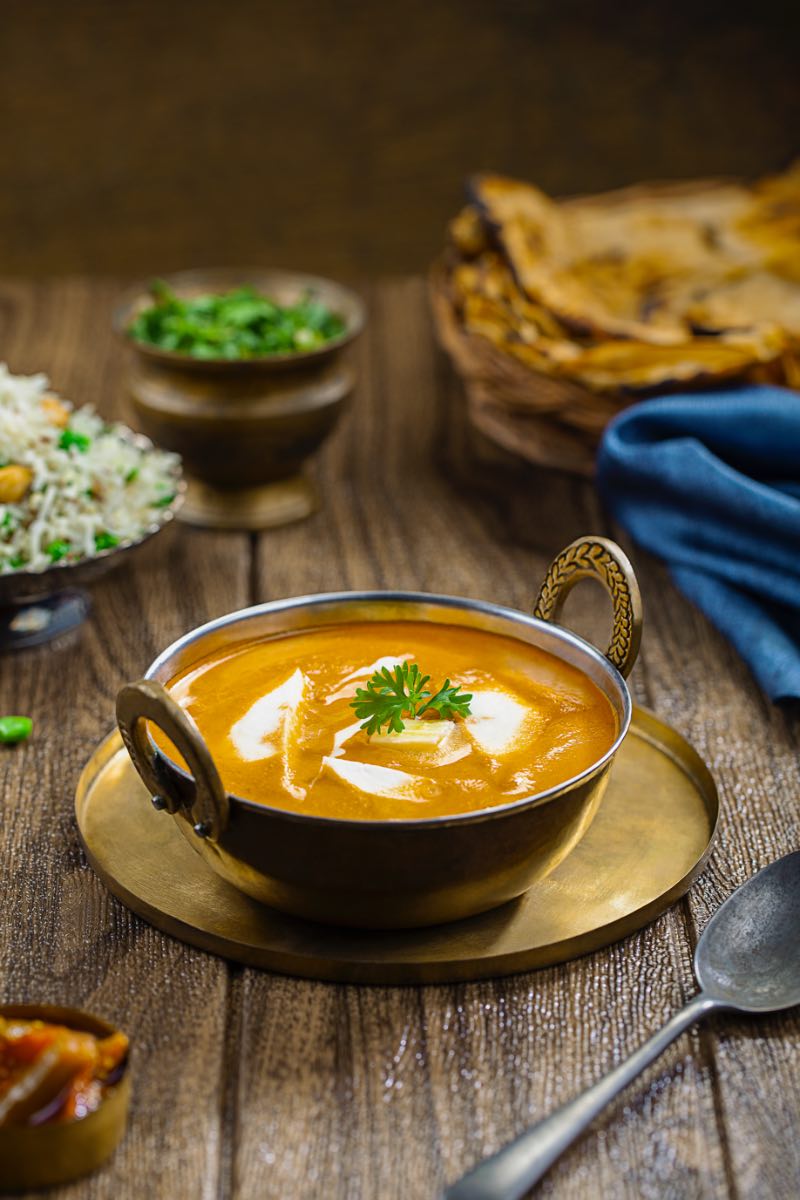
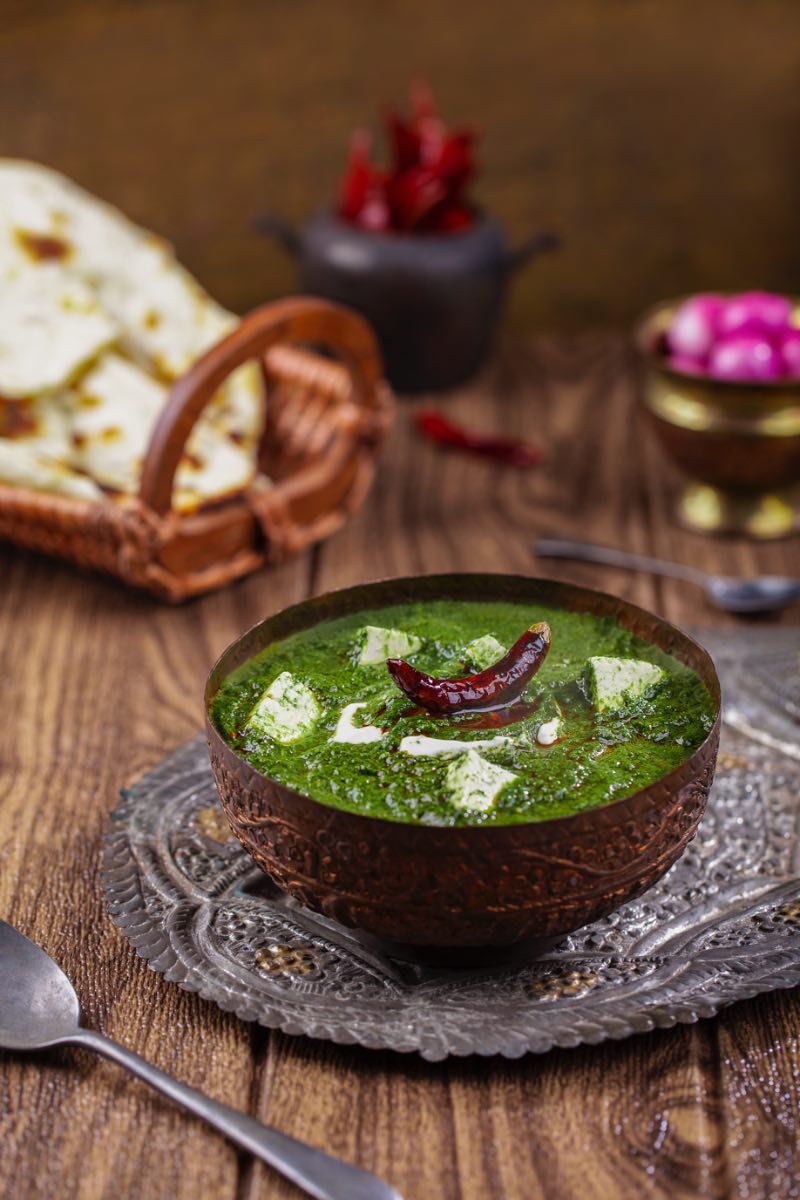


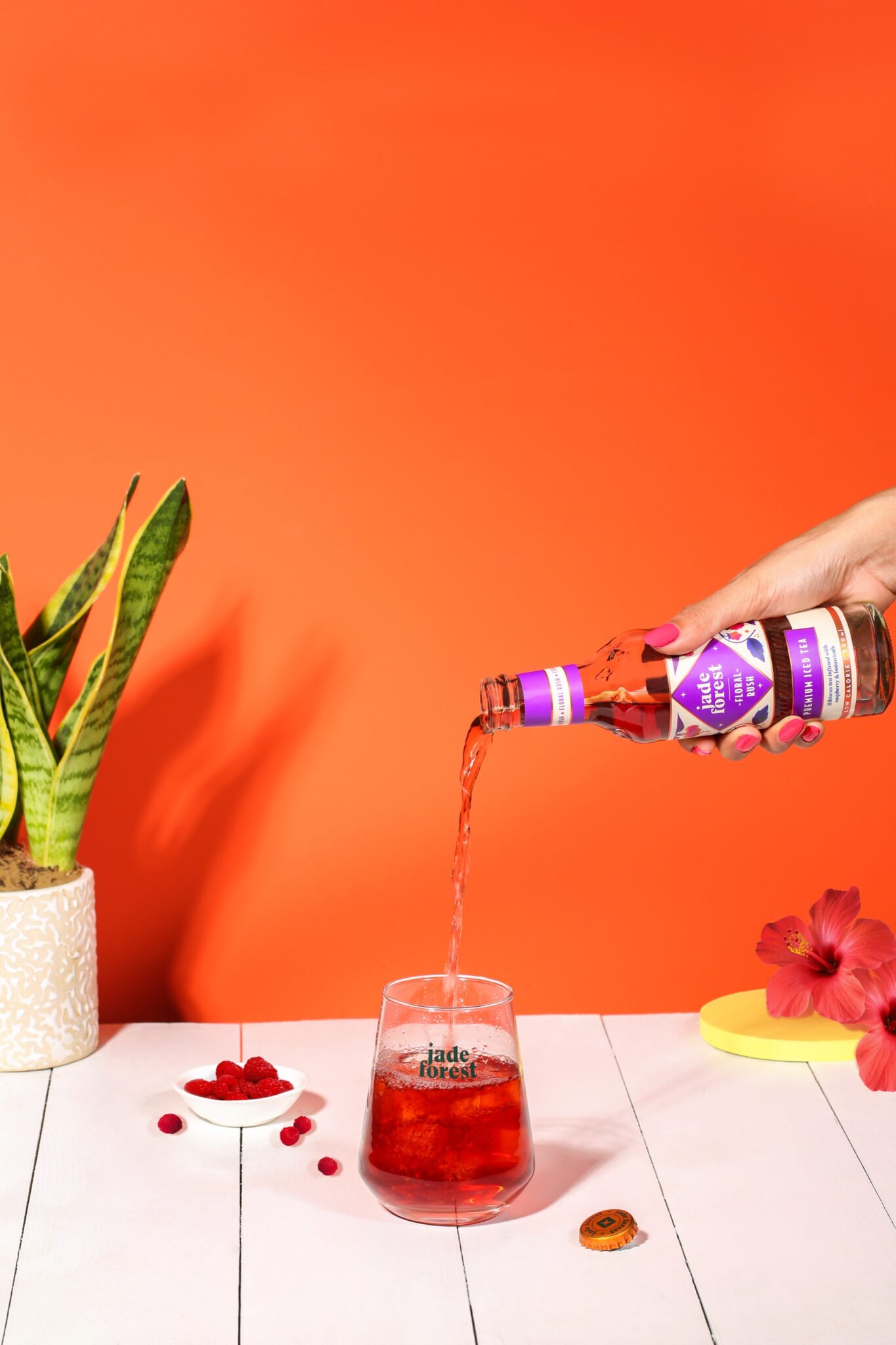

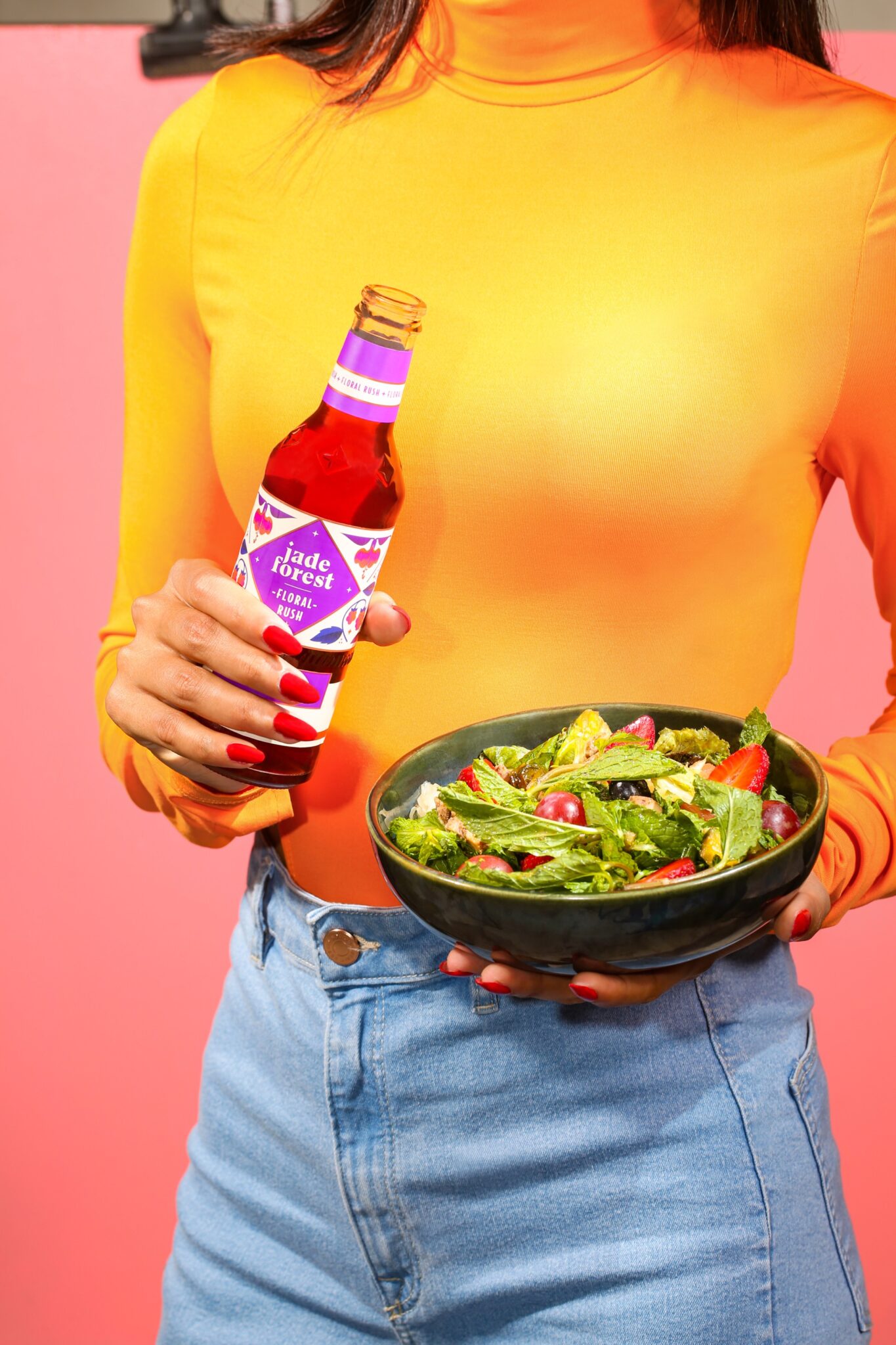
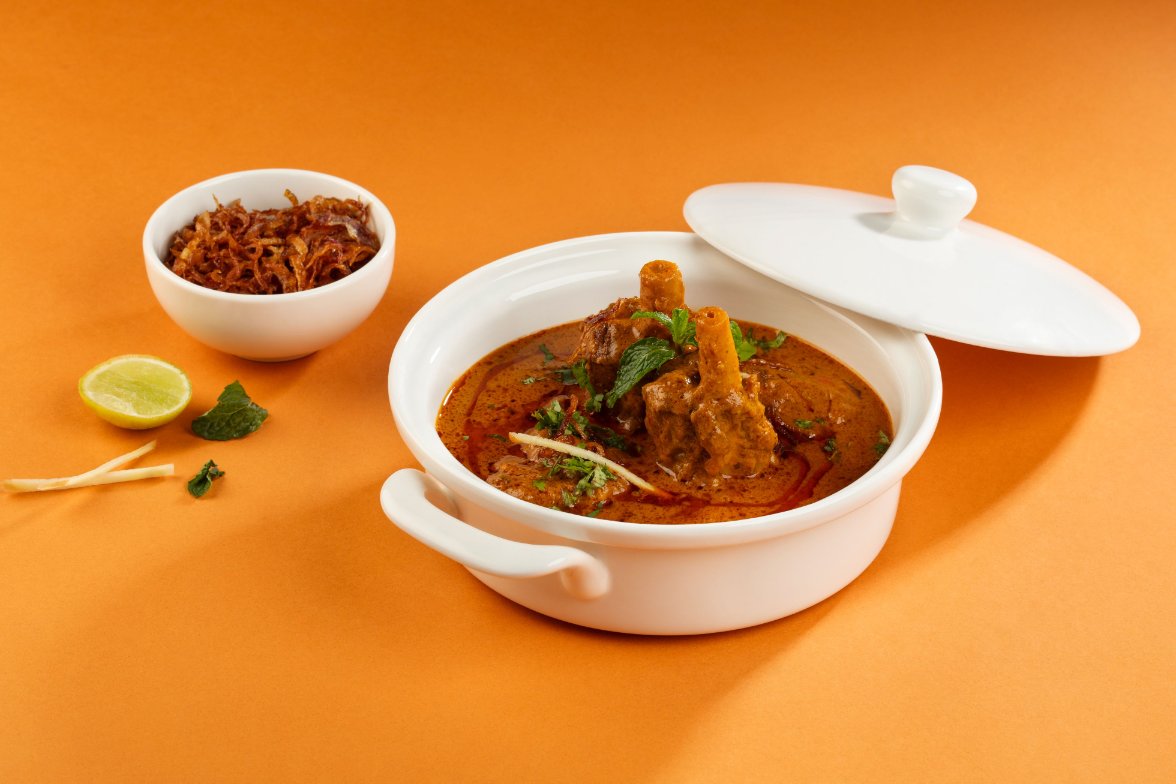


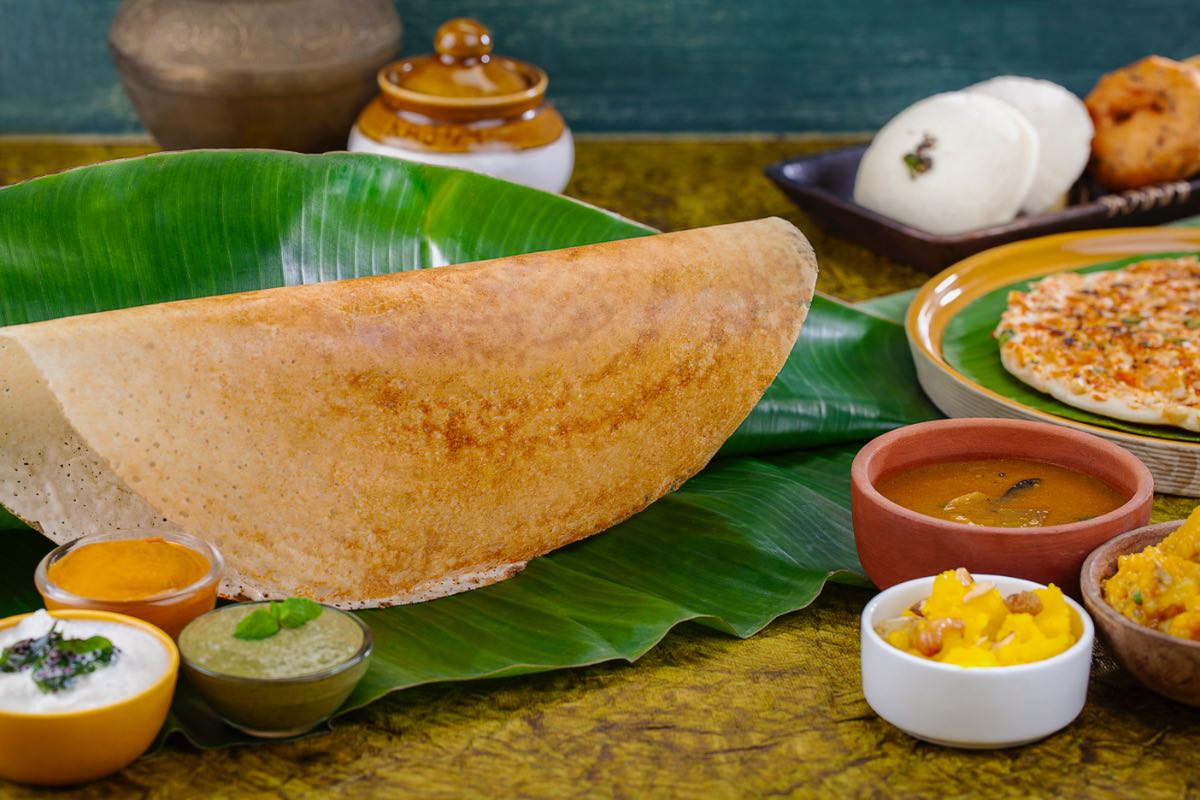




Food Photography in Delhi
Food Photography
Food photography usually starts with a complaint.
“The food tastes amazing, but the photos don’t show it.” “Everything looks flat on delivery apps.” “Our dishes look better in real life.”
That’s very common.
Food is meant to be eaten, not photographed. So when you try to capture it on camera, things get tricky.
Steam disappears. Colors shift. Textures soften. What looks mouth-watering on the table suddenly looks dull on screen.
Good food photography isn’t about tricks or heavy editing. It’s about understanding how food behaves under light and how people react to seeing it.
This page is for anyone looking for food photography in Delhi NCR and wants to understand what really goes into it, who it’s for, and how it helps businesses sell better.
What food photography really involves
Food photography is a mix of timing, preparation, and restraint.
You can’t rush it. And you can’t overdo it.
Every dish behaves differently.
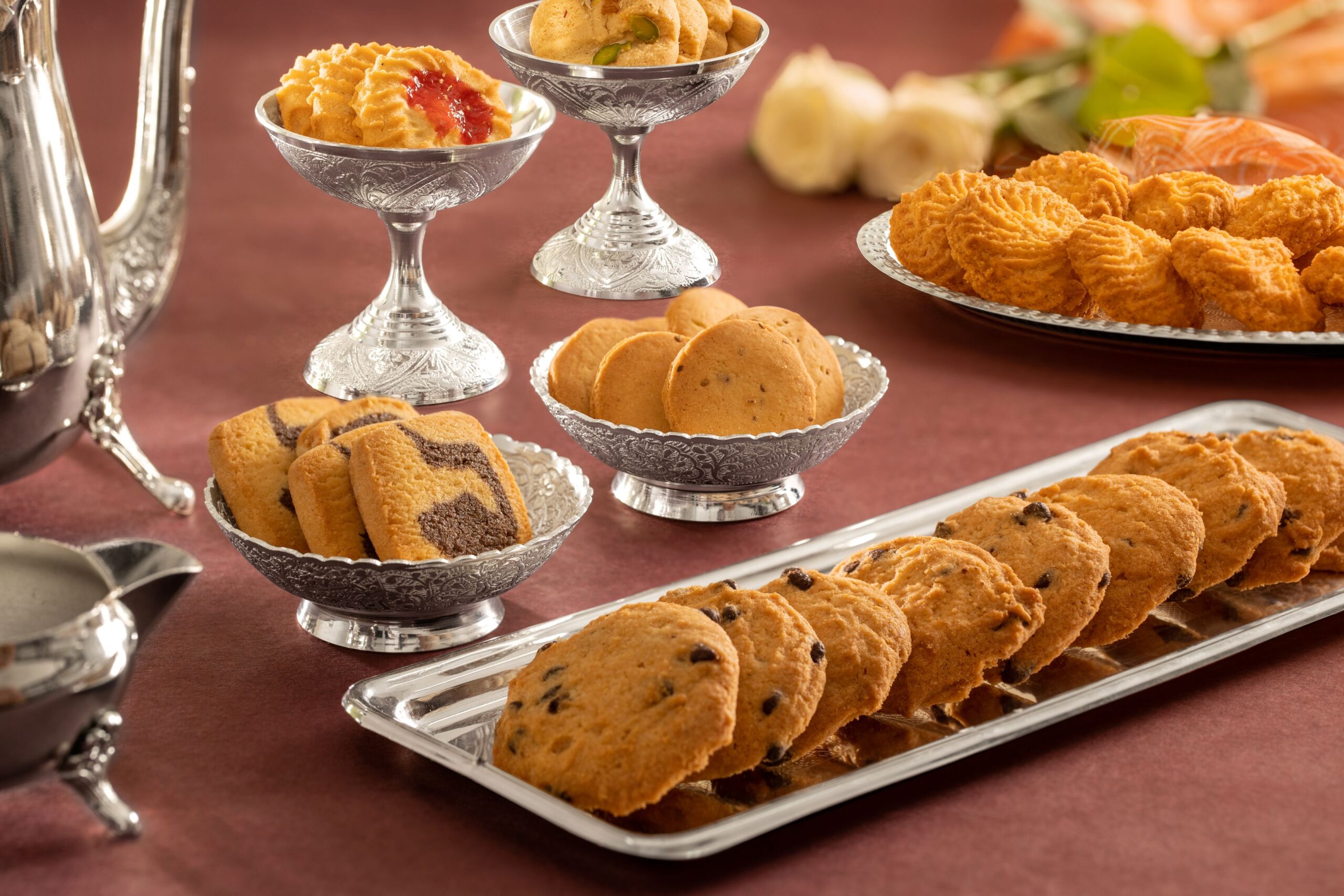
A curry reflects light differently than a dessert. Fried food loses its crisp look quickly. Ice creams melt. Sauces dry up.
Food photography is about capturing food at the right moment.
Lighting plays a big role.
Too much light and the food looks dry. Too little light and it looks heavy or greasy.
Angles matter too.
Some dishes look best from the top. Some from the side. Some need close-ups to show texture.
The goal is simple.
Make the food look honest and appetizing, not artificial.
Who usually needs food photography
Food photography is used by many types of businesses, even if they don’t always call it that.
Restaurants and cafés
Restaurants are the most obvious clients.
They need food images for:
Menus Delivery apps Websites Social media
Customers often decide what to order based on photos.
If the image doesn’t look good, the dish doesn’t get ordered — no matter how good it tastes.
Cloud kitchens and delivery brands
Cloud kitchens rely heavily on images.
Customers don’t see the space. They don’t see the chef. They only see photos.
Clear, consistent food photography builds trust.
It helps customers feel confident about ordering.
Food brands and packaged products
Packaged food needs a slightly different approach.
The product and the food both matter.
These shoots often overlap with product photography when brands sell sauces, snacks, ready-to-eat meals, or frozen food.
The food needs to look real, not styled beyond recognition.
E-commerce sellers
Many sellers offer food items online.
Images need to show:
Portion size Texture Packaging Serving suggestion
Food photography helps answer these questions visually.
How food photography works, step by step
Food photography looks simple from the outside.
In reality, it’s a careful process.
1. Understanding the food and usage
Before shooting, I need to know:
Where will these images be used? Menu, app, website, ads? Is the food dine-in, takeaway, or packaged?
A delivery app image needs clarity. A website image can be more relaxed.
This decides the style.
2. Planning the shoot
We plan:
Which dishes will be shot How many images per dish Whether props are needed or not
Some dishes need minimal styling. Some need plates, cutlery, or background elements.
Nothing is added just for decoration.
3. Preparing the food
Food preparation is critical.
Dishes are cooked fresh. Plating is adjusted slightly for the camera.
Not fake.
Just neat.
Food that sits too long loses its appeal.
Timing matters.
4. The shoot
Once the food is ready, we move quickly.
Lighting is adjusted for each dish.
Angles are tested.
Sometimes the first shot works. Sometimes we need small changes.
The focus is always on making the food look edible.
5. Selection and editing
After the shoot, images are reviewed.
Editing is kept natural.
Colors are corrected. Highlights are controlled. Distractions are removed.
The food should still look like food you can order and eat.
Different types of food photography I handle
Food photography changes depending on how the food is sold.
Menu and delivery app food photography
These images are clear and direct.
The dish is the hero.
No heavy props. No distractions.
Perfect for restaurant menus and delivery platforms.
Restaurant lifestyle food photography
This includes food in a dining environment.
Tables, hands, serving moments.
These images show experience, not just the dish.
Often used alongside lifestyle photography.
Packaged food photography
This shows the food and the packaging together.
Used by brands selling sauces, snacks, and ready meals.
These shoots often connect with product photography and advertising photography.
Food photography for promotions and ads
These images are slightly more styled.
Still real, but more controlled.
Used for banners, ads, and campaigns.
Practical benefits of good food photography
Let’s be realistic.
Food photography doesn’t change how food tastes.
But it changes whether someone orders it.
Clear images reduce confusion.
Customers know what they’re getting.
For restaurants, this means:
Better menu performance More confident orders Fewer complaints
For brands, it means:
Stronger presentation Consistent visuals Easier marketing
Good food images can be reused across platforms.
They save time and effort later.
Why clients choose Ravikant Photography
Clients usually come to me because they want food photos that feel real.
Not overdone. Not fake.
They stay because I understand how food is sold.
I’ve worked with restaurants, brands, businesses, and e-commerce sellers across Delhi NCR.
I don’t rush food shoots. I don’t over-style dishes. I don’t rely on heavy editing.
Many clients start with food photography and later book product photography, hampers photography, or advertising photography when their menu or brand grows.
That long-term working relationship matters to me.
Common questions about food photography
“Do you use fake food or substitutes?”
No.
I work with real food.
It should look like what customers will actually receive.
“Can you shoot food for delivery apps?”
Yes.
Those images need clarity and accuracy.
“How many dishes can be shot in one session?”
That depends on complexity.
Simple dishes are faster. Styled dishes take more time.
“Do you help with plating?”
Yes, at a practical level.
Simple adjustments that work for the camera.
“Do you also shoot other types of photography?”
Yes.
Along with food photography, I regularly work on product photography, hampers photography, advertising photography, and lifestyle photography.
Let’s talk about your food shoot
If you’re looking for food photography in Delhi NCR and want images that make people want to order, let’s talk.
You don’t need a long brief.
Just tell me what you serve and where you sell it.
Ravikant Photography
Delhi NCR
Email: Ravikantphotography@gmail.com
Phone: 9873049773
Reach out when you’re ready. We’ll plan it properly.