
Raw Food Photography


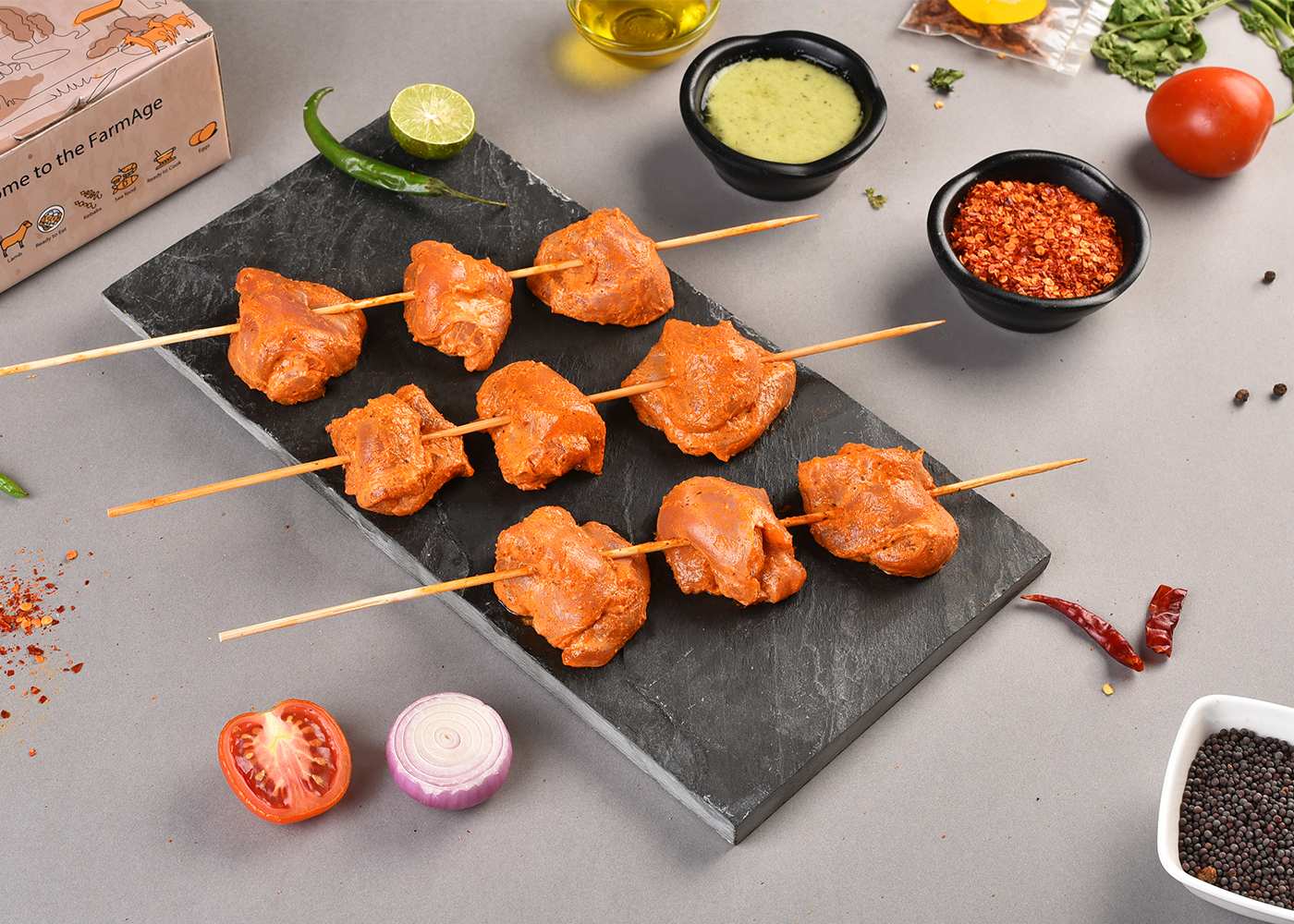

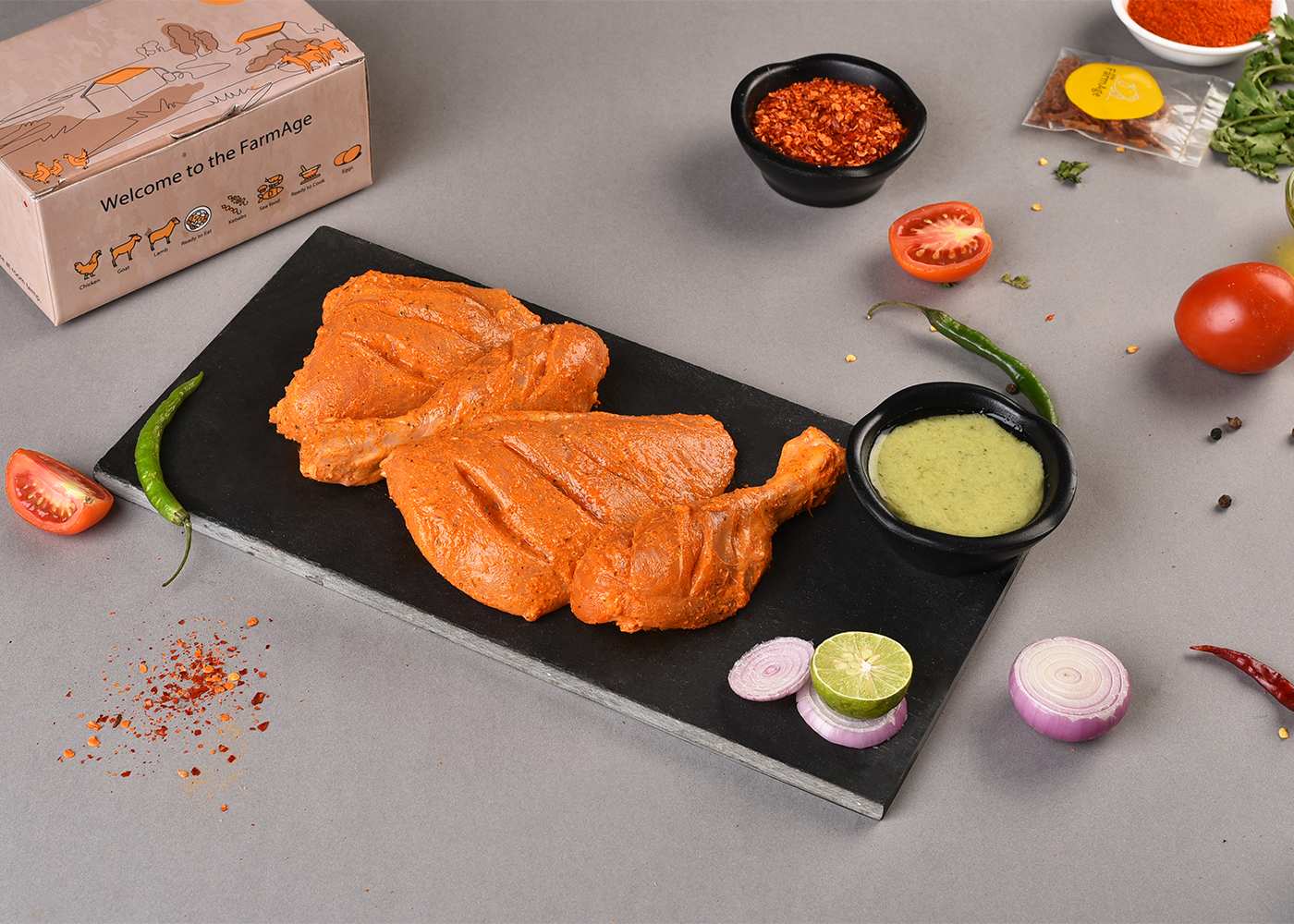

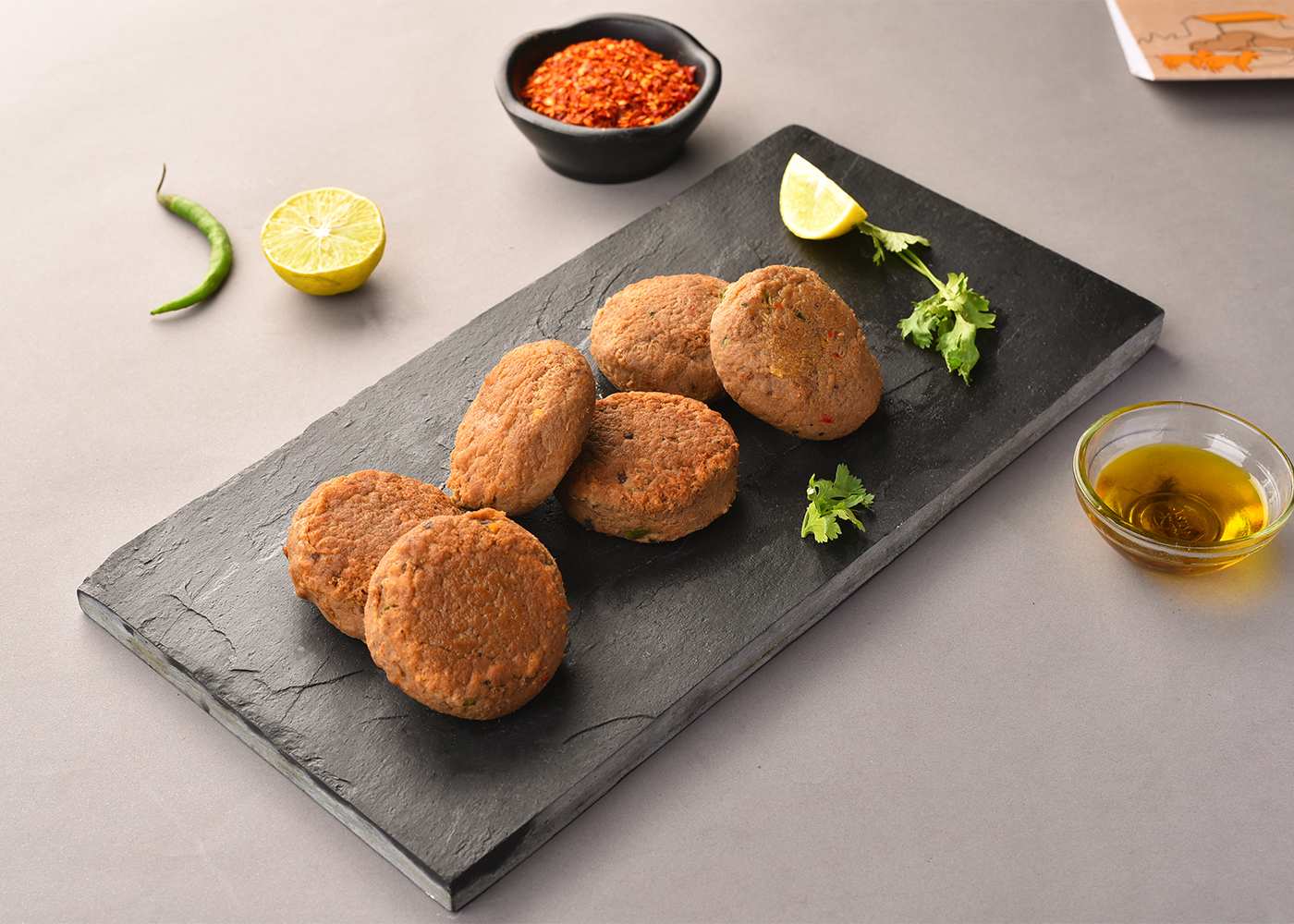
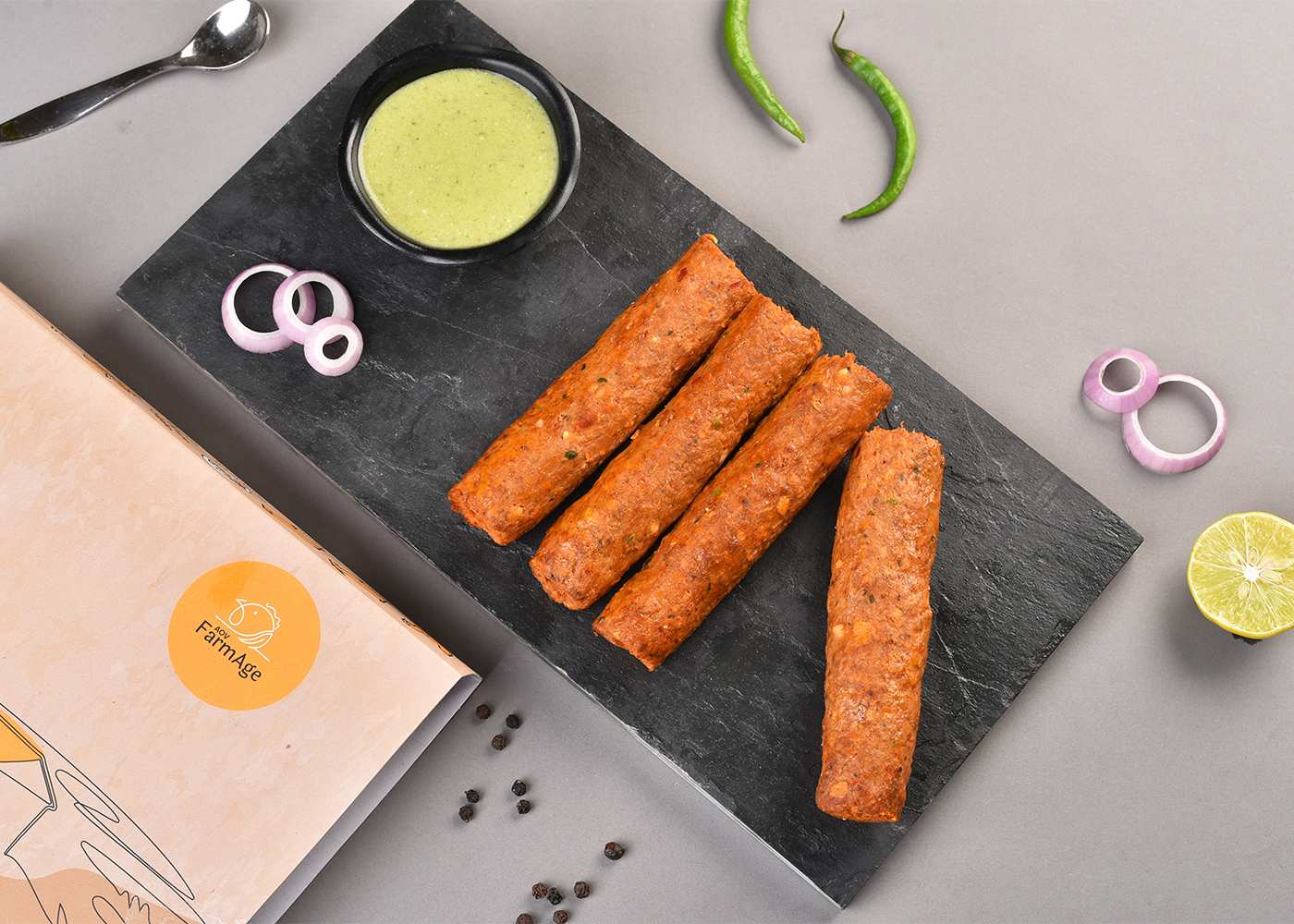

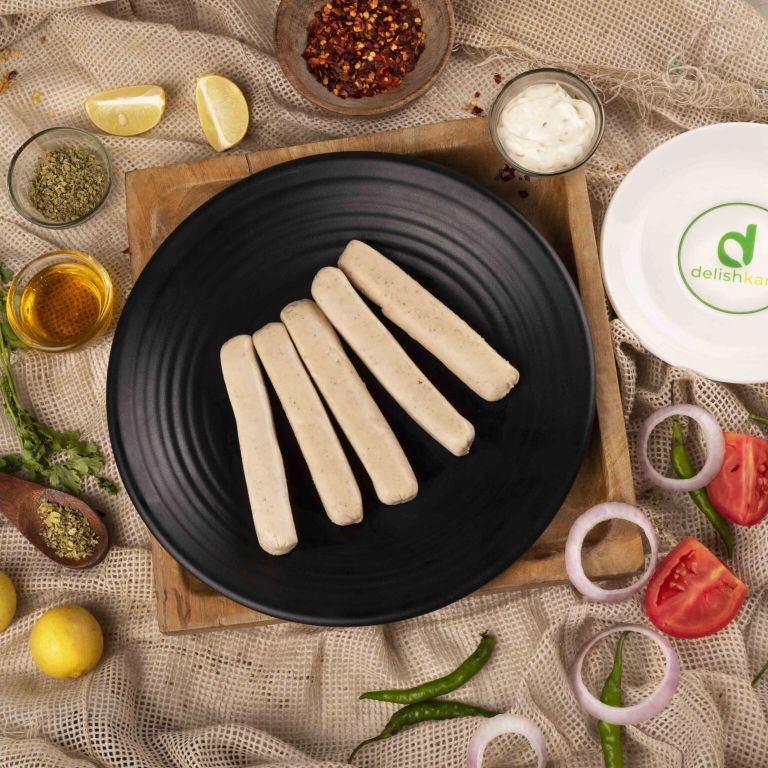
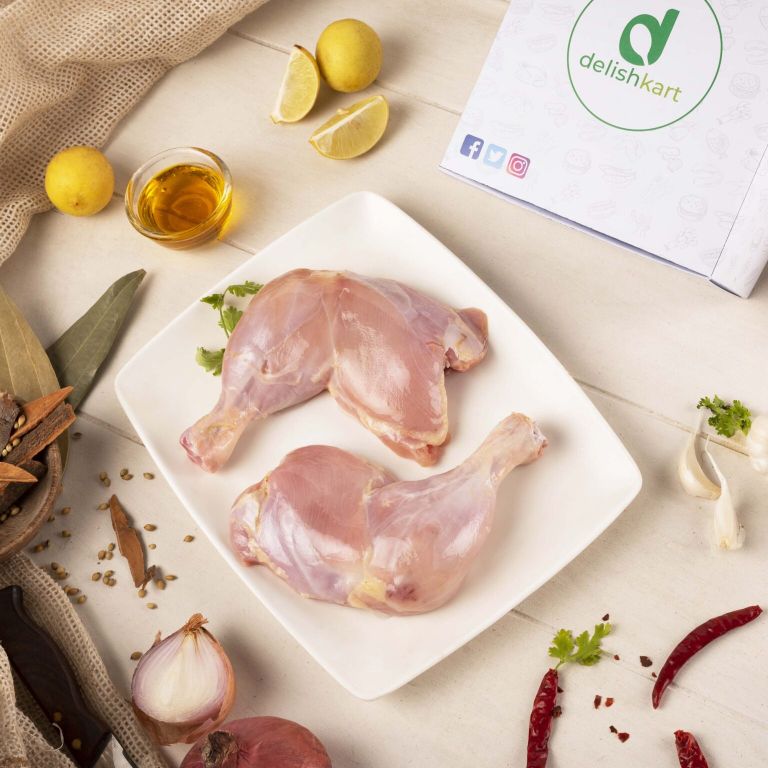
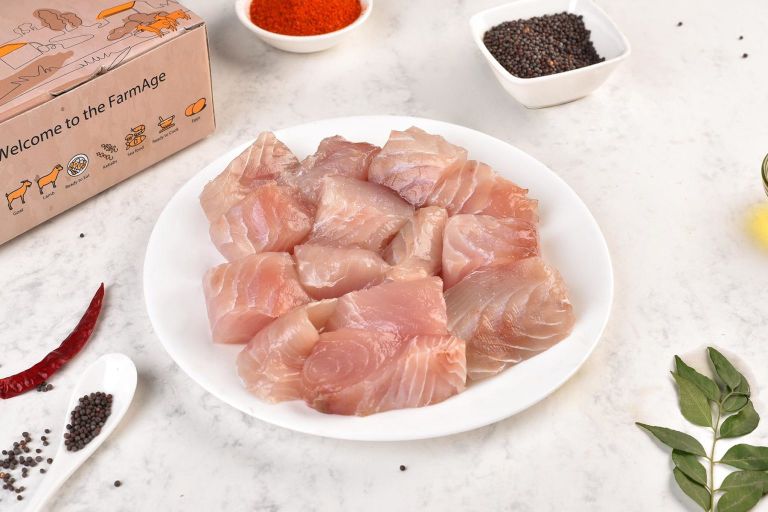
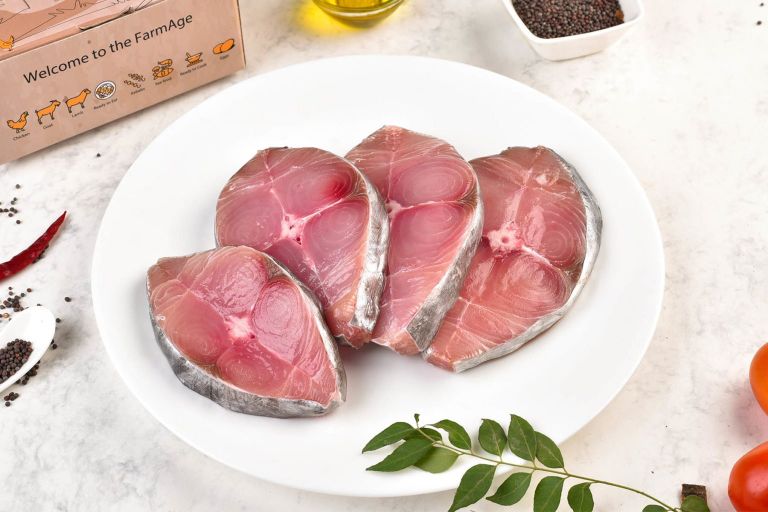



“Food is joyful & delicious already & I aim to Capture that”
Raw Food Photography
Raw food photography usually doesn’t start as a planned decision.
It starts when someone looks at their photos and feels something is missing.
“The ingredients look lifeless.” “The freshness doesn’t show.” “It all looks the same, even though the quality is good.”
Raw food is honest by nature.
There’s nothing to hide behind. No garnishing to distract. No sauces to gloss over mistakes.
When you photograph raw ingredients, you’re showing quality exactly as it is.
That’s why raw food photography is both simple and difficult at the same time.
This page is for brands, restaurants, chefs, food businesses, and sellers looking for raw food photography in Delhi NCR and want images that feel fresh, clean, and believable.
What raw food photography really involves
Raw food photography is not about making ingredients look dramatic.
It’s about showing freshness, texture, and natural color without exaggeration.
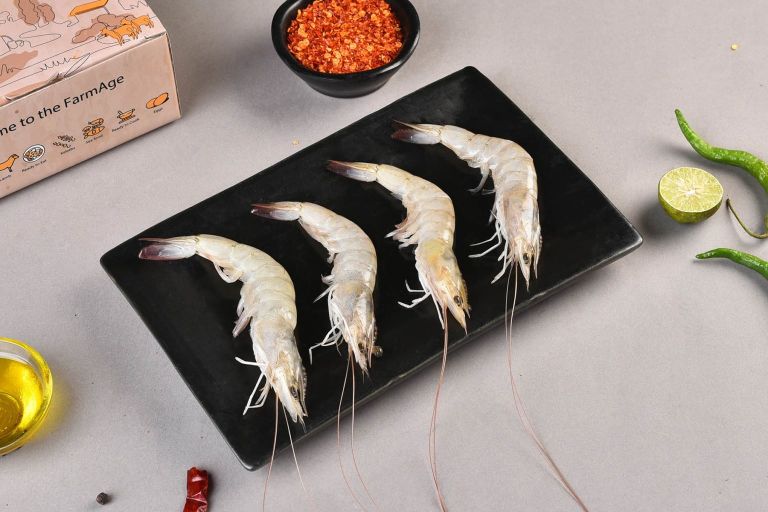
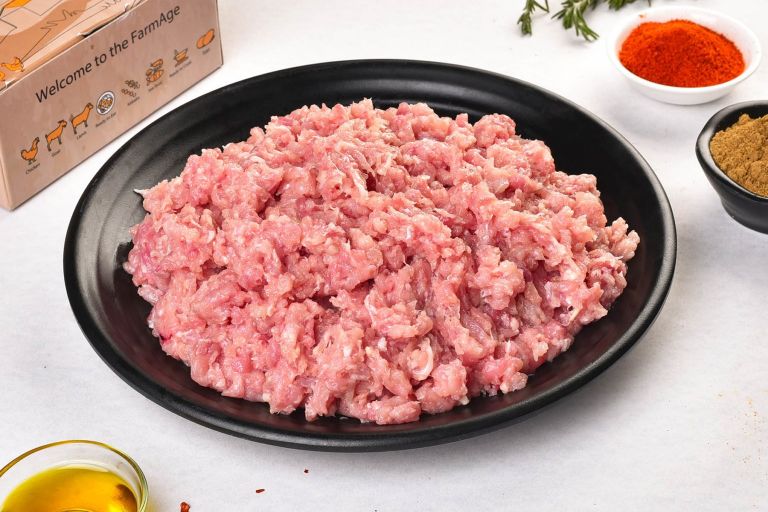
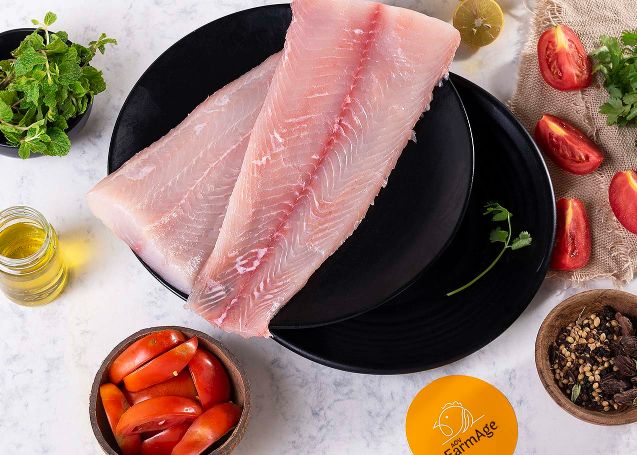
Vegetables, fruits, grains, meat, seafood, spices — each behaves differently on camera.
Leafy greens wilt quickly. Fruits bruise easily. Meat reflects light in ways that can look unappetizing if handled wrong.
Raw food photography requires careful handling and timing.
Lighting needs to feel natural.
Too much light makes ingredients look dry. Too little light makes them look dull.
Angles matter as well.
Some ingredients look best laid flat. Some need depth. Some need close-ups to show texture.
The goal is not to decorate the food.
The goal is to let the ingredient speak for itself.
Who usually needs raw food photography
Raw food photography is used across many parts of the food industry.
Not always publicly, but often behind the scenes.
Restaurants and kitchens
Many restaurants want to show ingredient quality.
Farm-fresh vegetables. Fresh meat and seafood. House-made raw components.
Raw food photography helps communicate honesty and transparency.
These images are often used on websites, menus, or brand stories alongside food photography.
Food brands and suppliers
Brands selling raw or semi-processed food need clarity.
Rice, pulses, spices, grains, frozen items, fresh produce.
Customers want to see what they’re buying.
Raw food photography helps show quality without heavy styling.
E-commerce sellers
Selling raw food online is challenging.
Customers worry about:
Freshness Quality Consistency
Clear images reduce doubt.
These shoots often overlap with product photography when packaging is also involved.
Chefs and culinary professionals
Chefs often want to show ingredients before transformation.
This helps tell a story of sourcing and care.
Raw food photography works well for personal branding and content creation.
How raw food photography works, step by step
Raw food photography looks calm, but the process needs discipline.
1. Understanding the purpose
First, we talk about where the images will be used.
Website content? Social media? E-commerce listings? Brand storytelling?
This decides how clean or detailed the images should be.
2. Selecting and preparing ingredients
Raw food photography starts before the camera comes out.
Ingredients need to be fresh.
Wilted leaves, damaged produce, or uneven cuts show immediately.
Ingredients are cleaned, sorted, and arranged carefully.
Nothing artificial is added.
What you see is what you sell.
3. Styling the ingredients
Styling in raw food photography is minimal.
It’s about placement, not decoration.
Ingredients are spaced properly. Cuts are neat. Textures are visible.
The setup should feel natural, not staged.
4. The shoot
Lighting is adjusted slowly.
We look for:
True color Soft shadows Visible texture
Small changes in angle can make a big difference.
Raw food photography rewards patience.
5. Selection and editing
After the shoot, images are reviewed.
Editing is kept clean.
Colors are corrected to match real ingredients. Dust or small marks are removed. No heavy retouching.
The food should still look raw.
Different types of raw food photography I handle
Raw food photography can be used in different ways depending on the business.
Ingredient-focused photography
These images focus on single ingredients.
Vegetables, fruits, grains, spices.
Often used for websites, catalogs, and educational content.
Raw food collections
Multiple ingredients photographed together.
These images show variety and sourcing.
Common for brand storytelling and farm-to-table concepts.
Packaged raw food photography
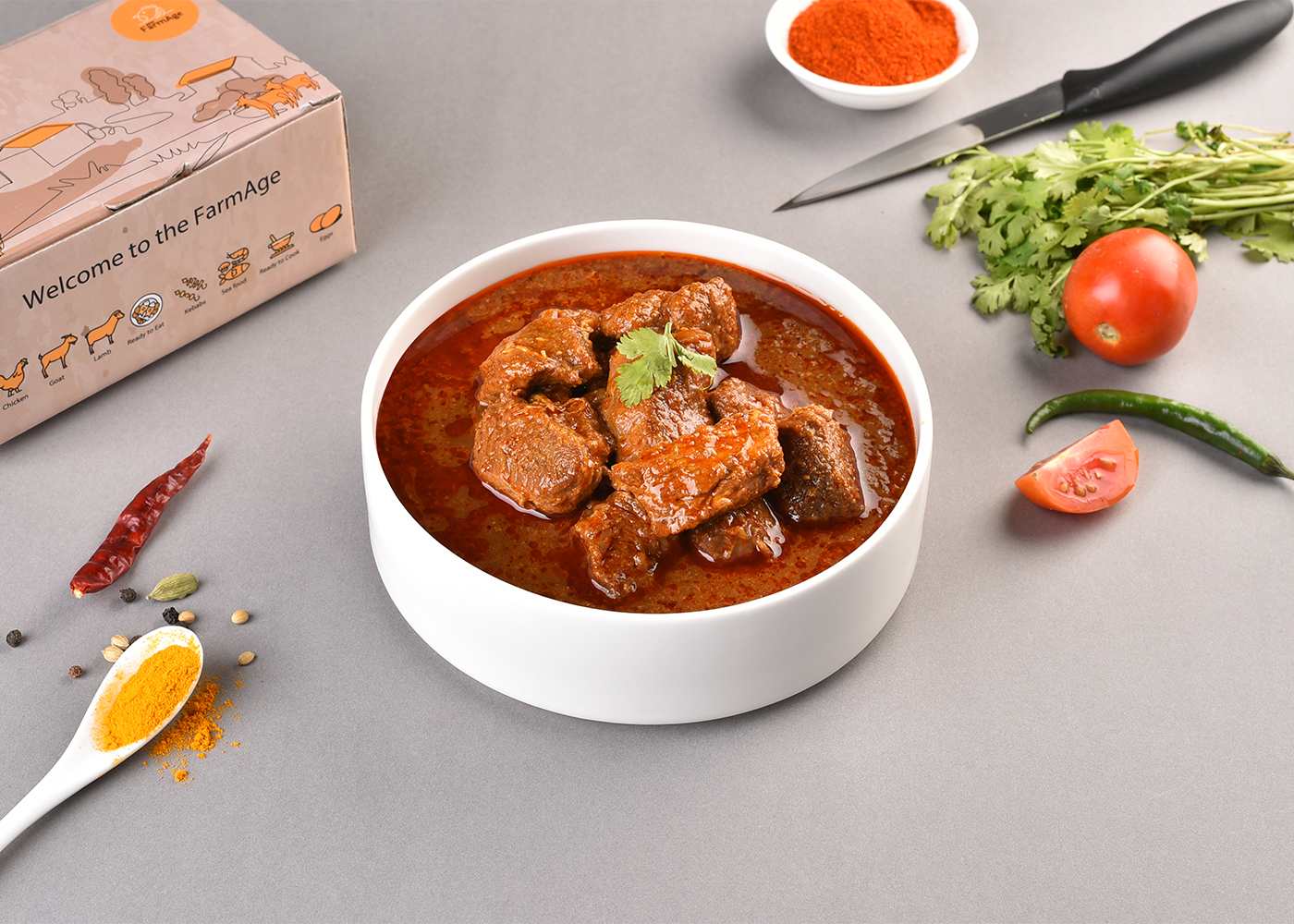
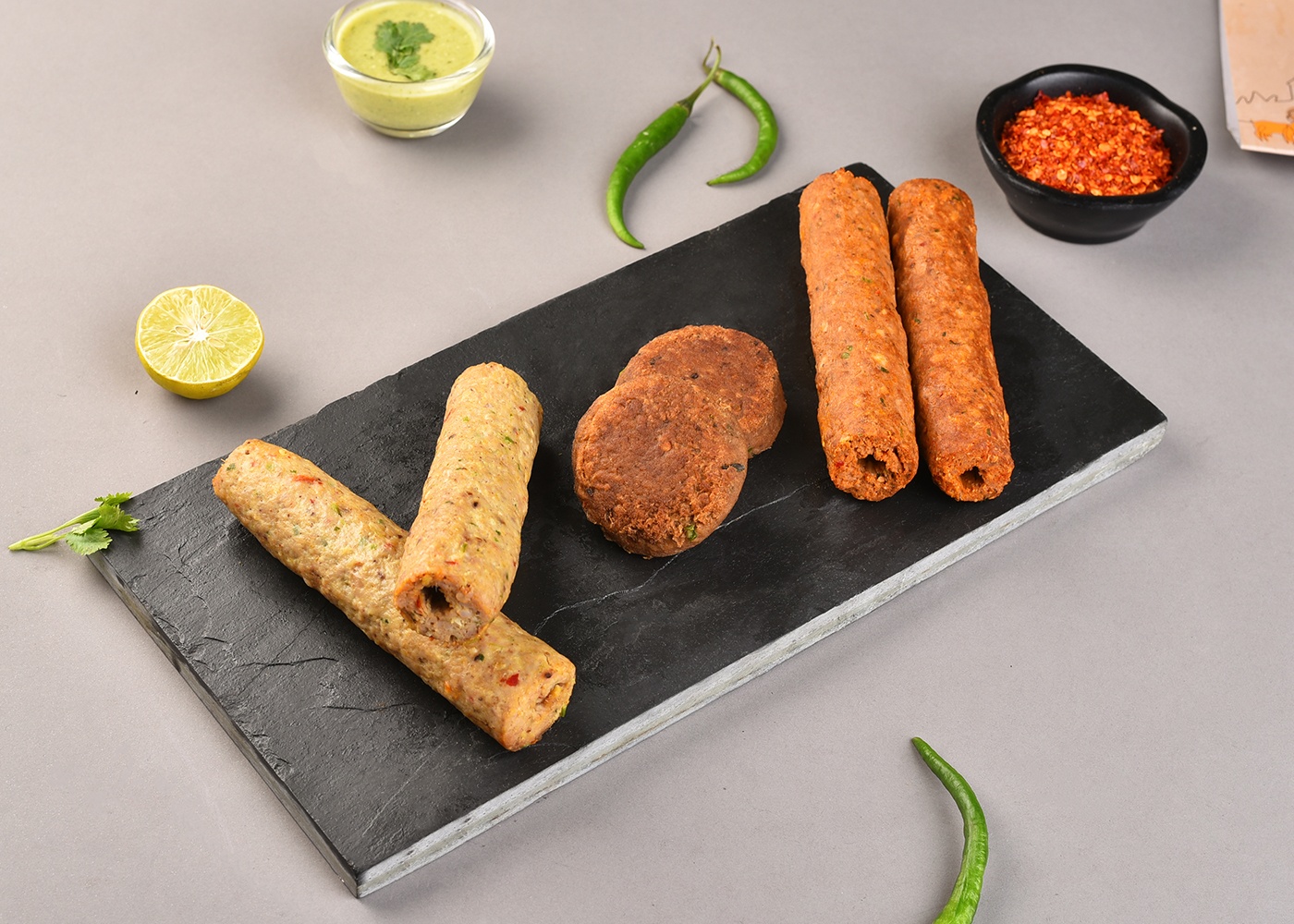
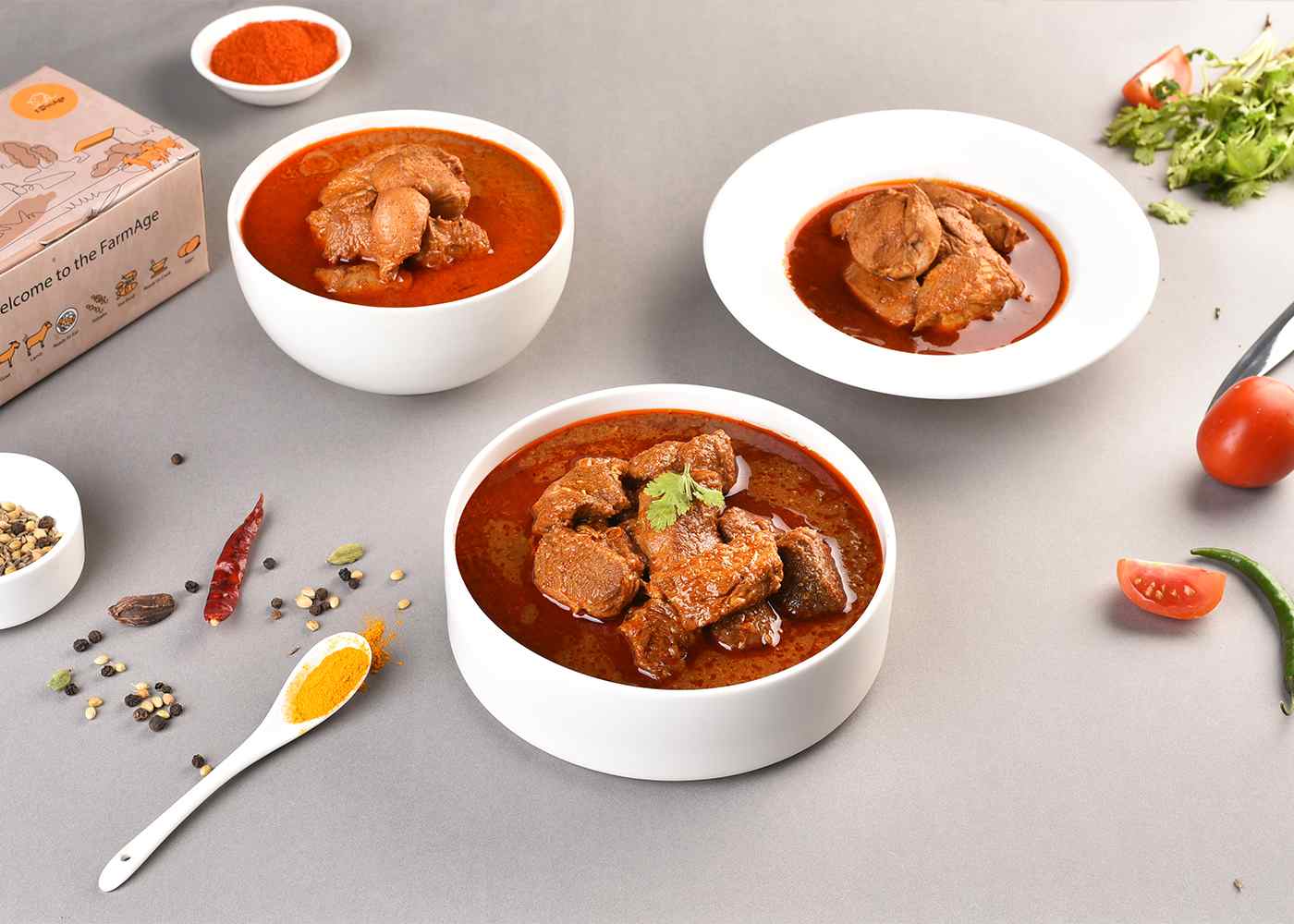
Raw ingredients with packaging.
These shoots often combine raw food photography with product photography.
The balance between food and packaging matters here.
Raw food photography for marketing
These images are slightly more composed.
Still honest, but visually balanced.
Often used in advertising photography when brands talk about quality and sourcing.
Practical benefits of good raw food photography
Raw food photography doesn’t try to impress.
It builds trust.
When customers see real ingredients, confidence increases.
Clear images help buyers understand quality before purchase.
For brands, this means:
Stronger transparency Better storytelling More believable visuals
For e-commerce sellers, it means:
Reduced confusion Fewer complaints Better product understanding
Raw food images also age well.
They don’t feel trendy.
They feel timeless.
Why clients choose Ravikant Photography
Clients usually come to me when they want honesty in their visuals.
They don’t want overdone food images.
They want their ingredients to look real.
I’ve worked with brands, restaurants, food businesses, and e-commerce sellers across Delhi NCR.
I understand how food is sourced, handled, and sold.
I don’t over-style raw ingredients. I don’t rely on heavy editing. I don’t rush shoots that need care.
Many clients start with raw food photography and later move into food photography, product photography, hampers photography, or advertising photography as their business grows.
That long-term trust matters to me.
Common questions about raw food photography
“Do you use artificial sprays or tricks to make food look fresh?”
No.
I work with real ingredients and real freshness.
“Can raw food photography be used for marketing?”
Yes.
Especially when the focus is on quality and sourcing.
“How long does a raw food shoot take?”
It depends on the number of ingredients.
Freshness and setup time matter.
“Do you shoot at our location or your setup?”
Both are possible.
It depends on the product and requirement.
“Do you also handle other food-related photography?”
Yes.
Along with raw food photography, I regularly work on food photography, product photography, hampers photography, and advertising photography.
Let’s talk about your raw food shoot
If you’re looking for raw food photography in Delhi NCR and want images that show quality without exaggeration, let’s talk.
You don’t need a polished brief.
Just tell me what you sell and how you want people to understand it.
Ravikant Photography
Delhi NCR
Email: Ravikantphotography@gmail.com
Phone: 9873049773
Reach out when you’re ready. We’ll keep it simple and honest.