
Textile Photography


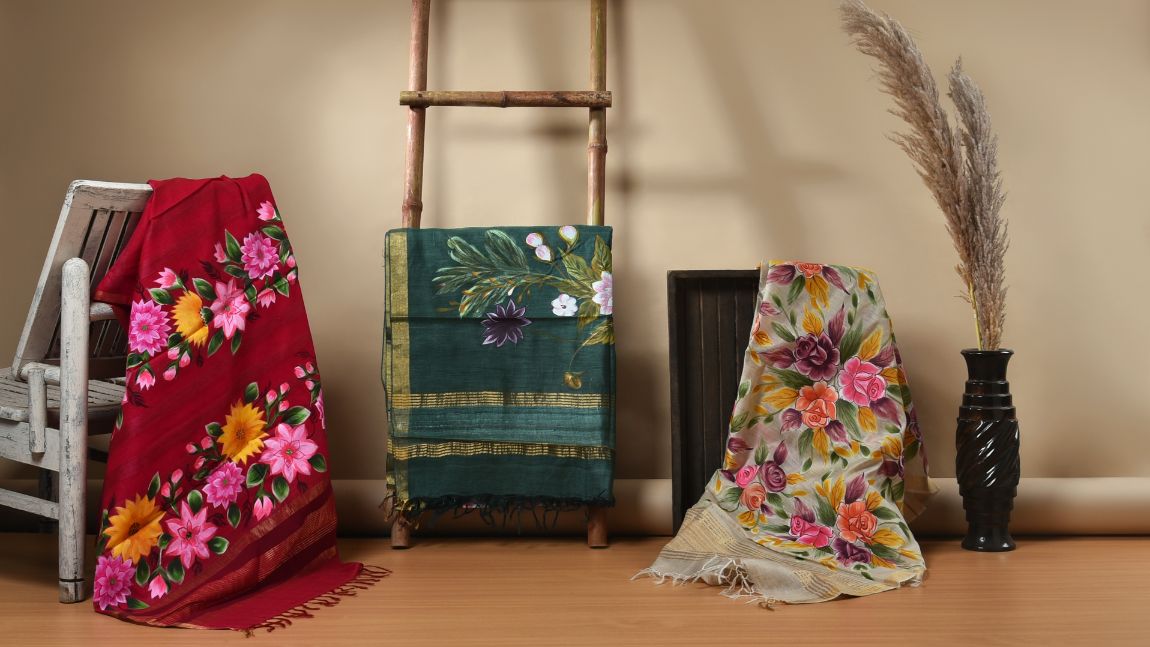


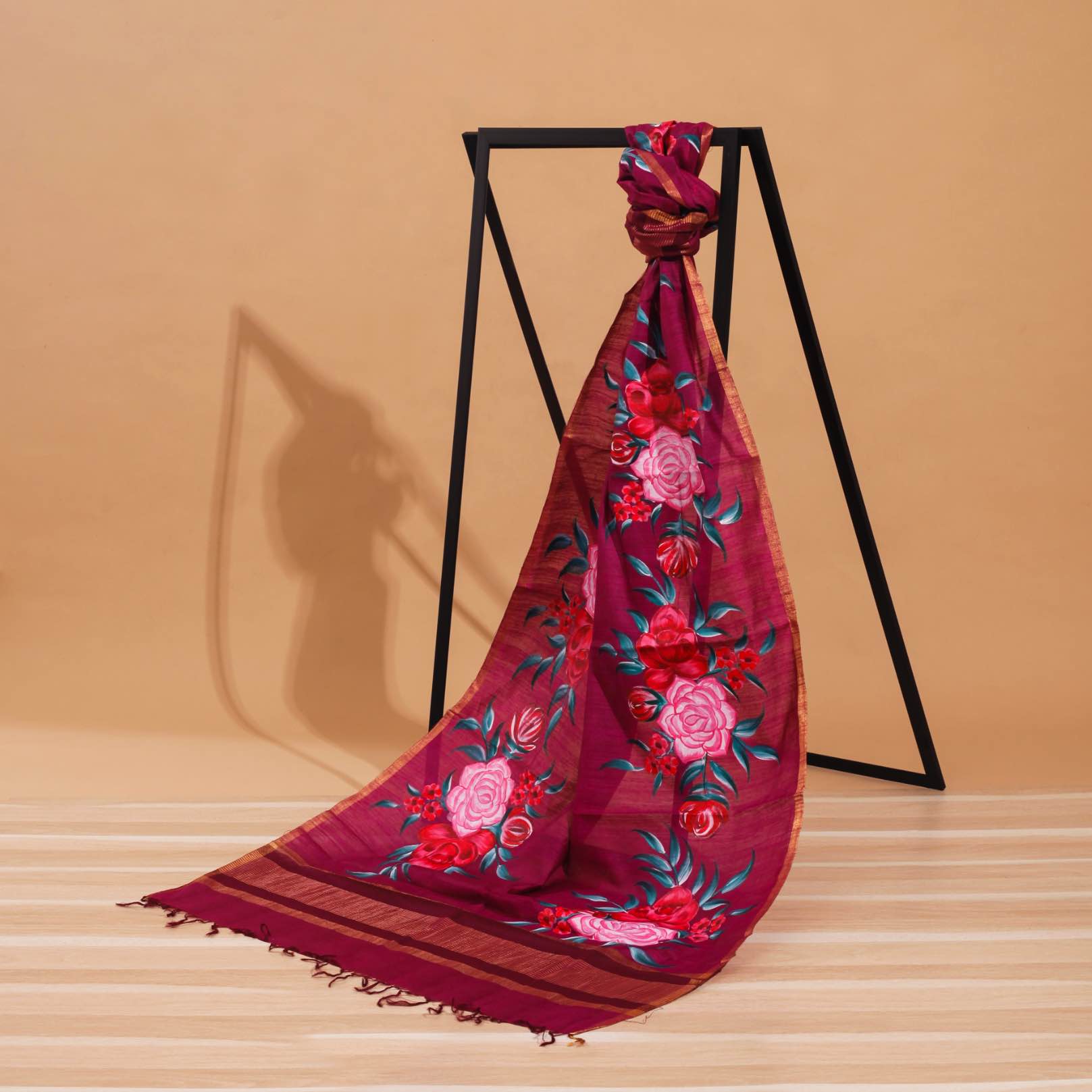


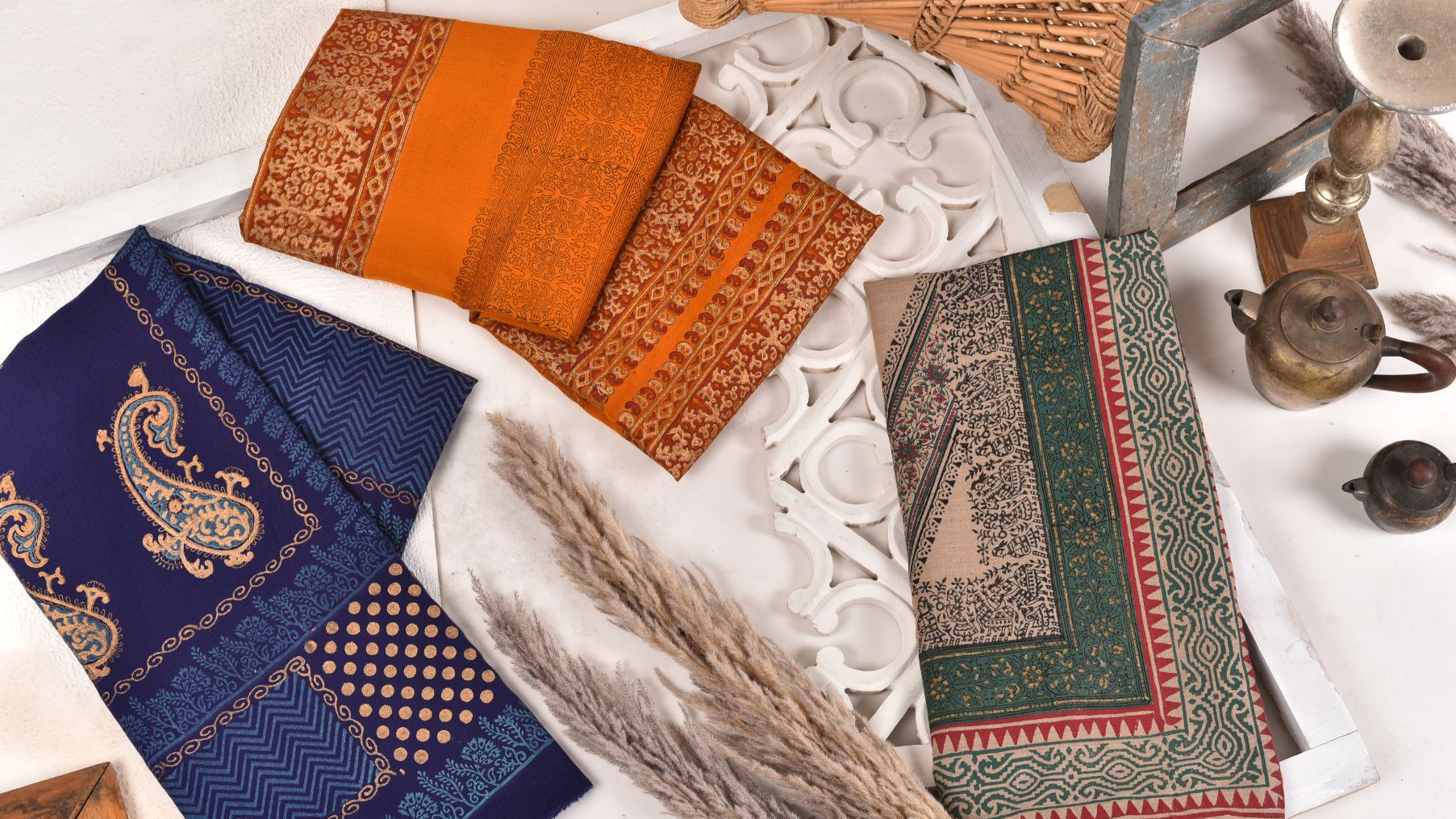
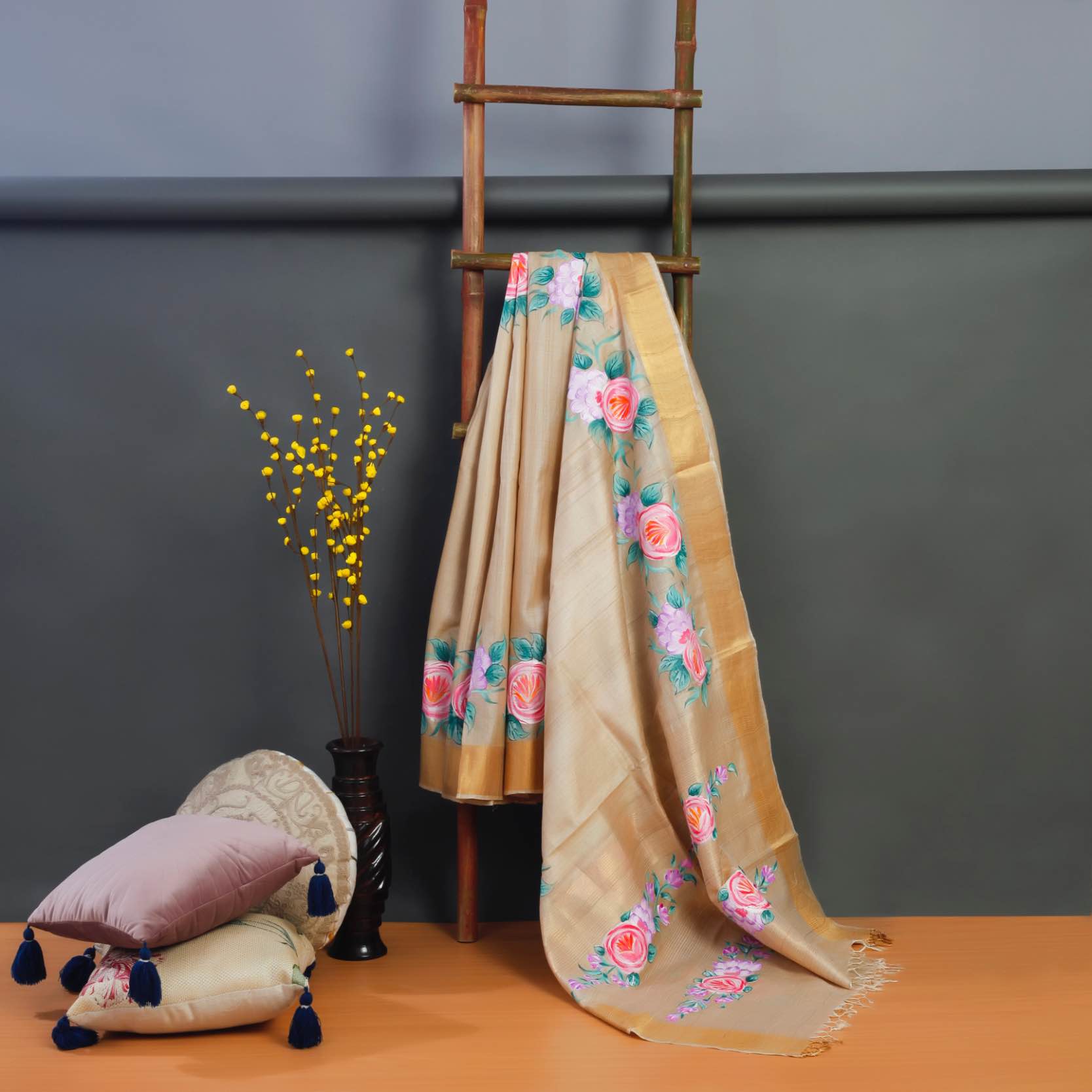


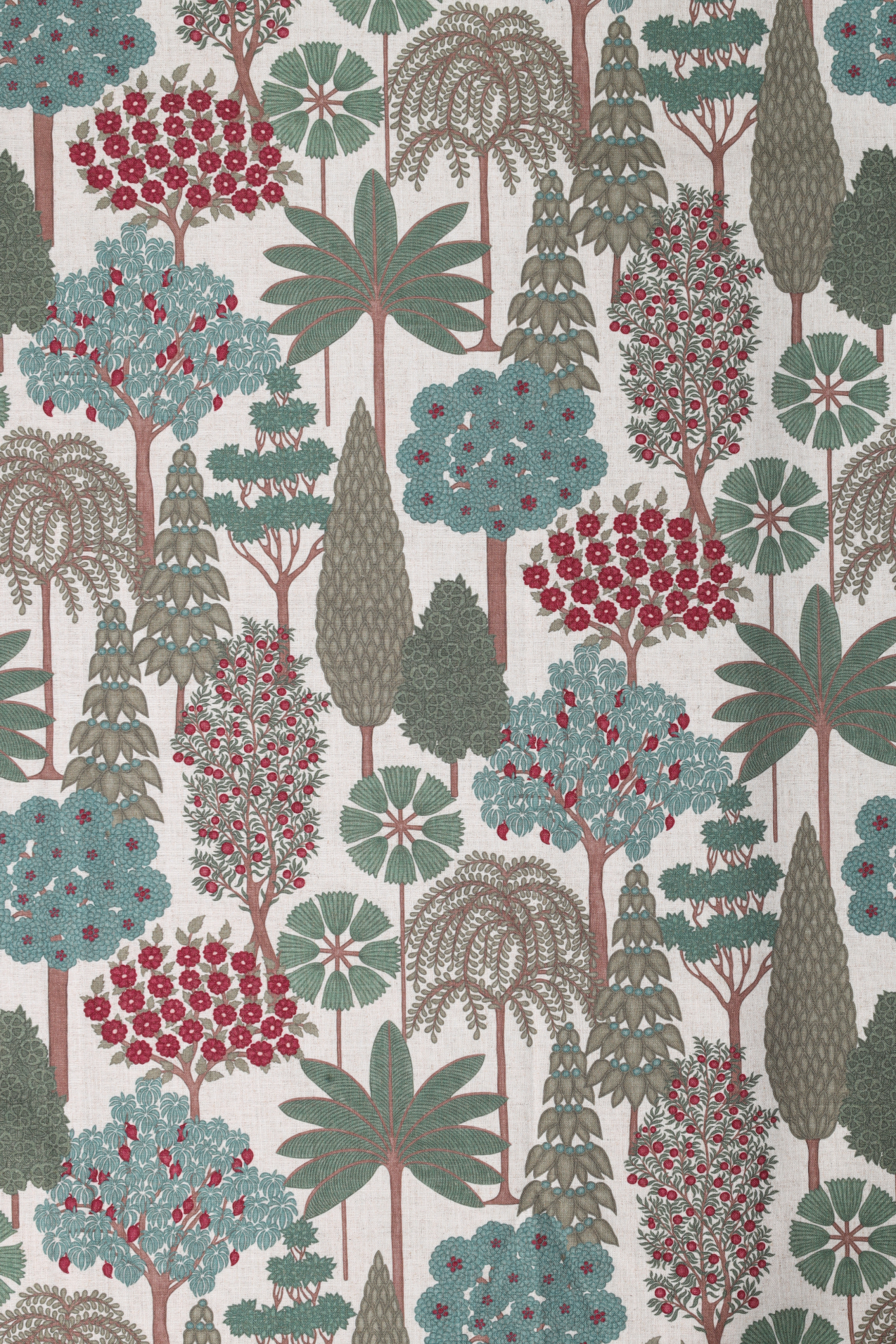
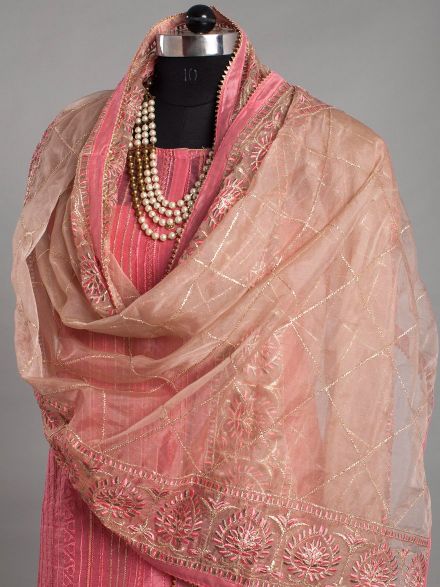


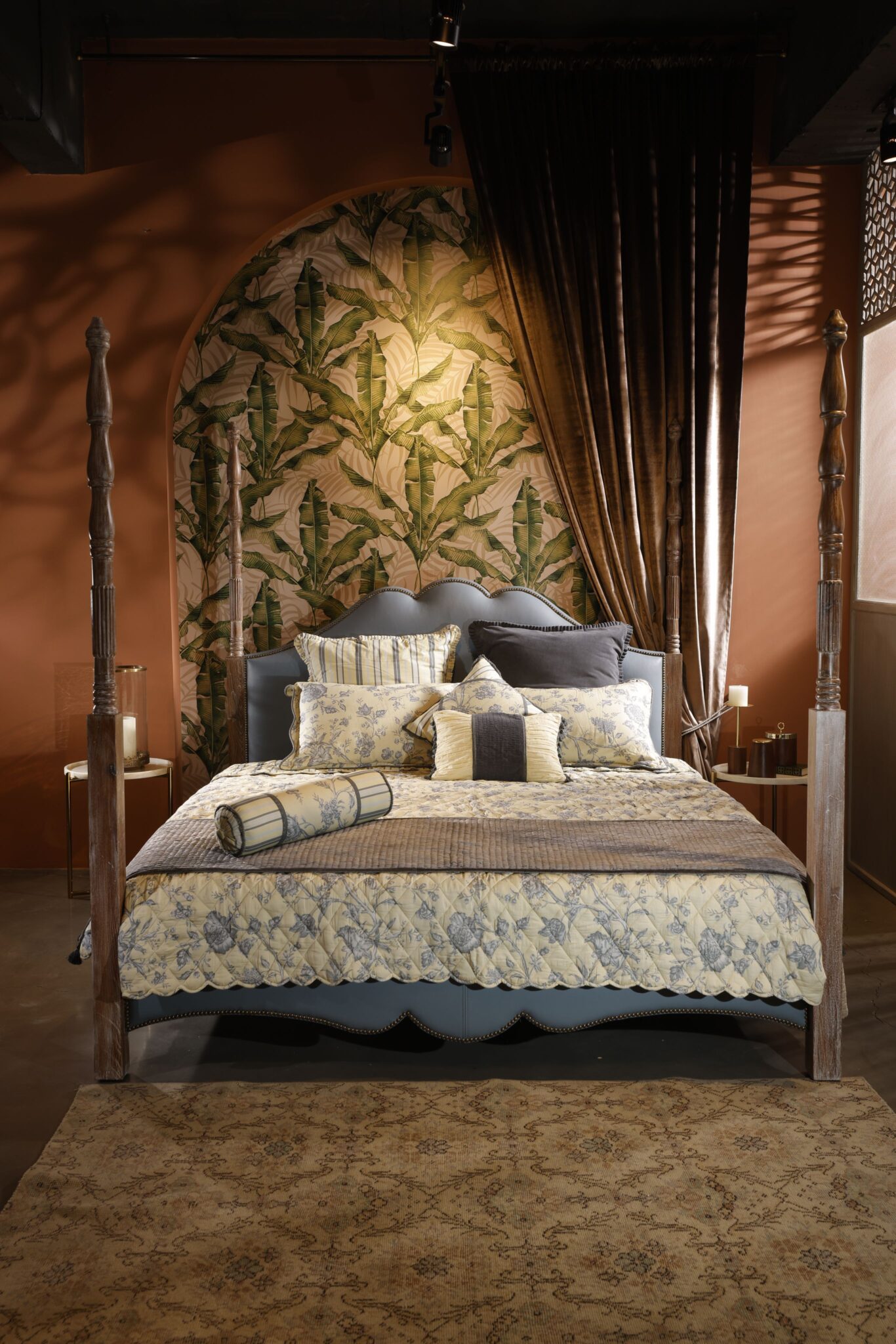


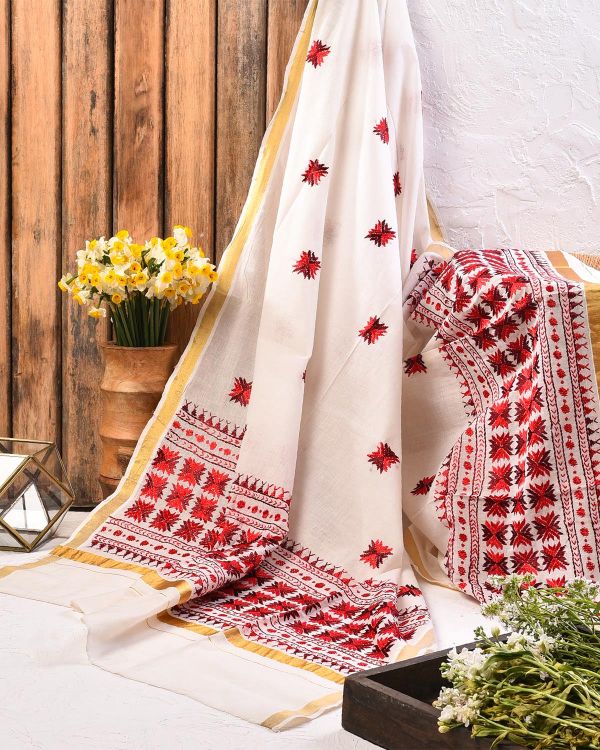
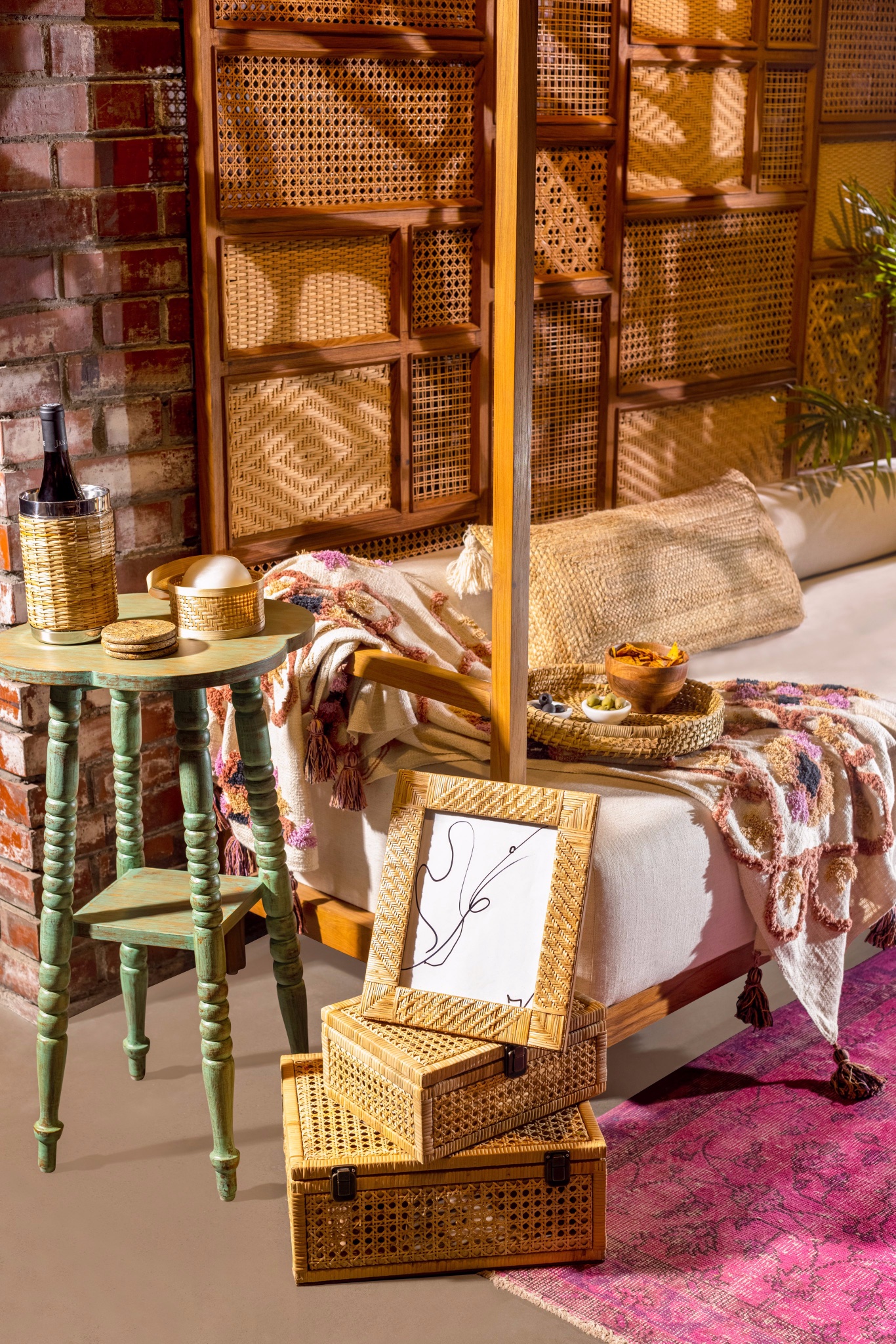





“Flawless Textile Photography make your brand stand out!”
Textile Photography
Textile photography usually starts with a simple frustration.
“The fabric looks great in real life, but dull in photos.” “The texture doesn’t show.” “The colors change on screen.” “Customers say the product looks different when it arrives.”
If you work with textiles, you’ve probably faced this at some point.
Fabric is tricky. It absorbs light, reflects light, folds, creases, and changes character depending on how it’s handled.
Textile photography is not about clicking a piece of cloth. It’s about showing how that cloth actually feels.
This page is for anyone looking for textile photography in Delhi NCR and wants to understand what really goes into photographing fabrics, garments, and textile products properly.
What textile photography really involves
Textile photography is all about detail.
Color accuracy matters. Texture matters. Weave, pattern, finish — all of it matters.
A fabric photograph should answer questions before a customer even asks them.
Is it soft or structured? Is the weave tight or loose? Is the color flat or slightly textured? Does it have sheen or a matte finish?
Unlike many other products, textiles don’t have fixed shapes.
How a fabric is laid, folded, or worn changes how it looks completely.
That’s why textile photography requires patience, controlled lighting, and careful styling.
The goal is not to make the textile look fancy. The goal is to make it look accurate and appealing at the same time.
Who usually needs textile photography
Textile photography clients come from many parts of the industry, but their needs often overlap.
Textile brands and manufacturers
Manufacturers and brands need images that represent their fabrics correctly.
These images are used for catalogs, websites, presentations, and buyer meetings.
Inconsistent photos create confusion and mistrust, especially when dealing with bulk buyers.
Garment brands and designers
Designers care deeply about how fabric behaves.
Drape, fall, and texture matter just as much as color.
Textile photography helps designers show the quality of their material clearly, whether it’s for lookbooks, websites, or promotional use.
E-commerce sellers
Selling textiles online is challenging.
Customers can’t touch the fabric. They rely entirely on images.
Clear textile photography helps reduce confusion, questions, and returns.
This work often overlaps with product photography when textiles are sold as finished products like bedsheets, curtains, or garments.
Exporters and wholesalers
Exporters need clean, professional images that communicate quality to buyers who may never see the product in person.
Accuracy matters more than drama.
Photos need to be reliable.
How textile photography works, step by step
If you haven’t done a textile shoot before, the process might feel unclear.
Here’s how it usually works with Ravikant Photography.
1. Understanding the fabric
Before anything else, I need to understand what I’m shooting.
Is it cotton, silk, wool, polyester, or a blend? Is it handwoven or machine-made? Is it meant for clothing, upholstery, or decor?
Each fabric reacts differently to light and handling.
This conversation helps decide everything that follows.
2. Deciding the presentation style
Textiles can be photographed in many ways.
Flat lays Folded stacks Hanging drapes Close-up texture shots Styled product setups
We decide what makes sense based on how the images will be used.
A buyer catalog needs something different from an e-commerce listing.
3. Preparing the textiles
Preparation is critical.
Fabrics are steamed if needed. Edges are aligned. Patterns are straightened.
Small wrinkles or uneven folds can ruin a photograph.
This step takes time, but it saves problems later.
4. The shoot itself
Textile photography is slow.
Lighting is adjusted carefully to show texture without harsh shadows.
Sometimes a fabric looks perfect under soft light. Sometimes it needs contrast.
We adjust as we go.
No rushing. No shortcuts.
5. Selection and editing
After the shoot, images are reviewed together or shared for selection.
Editing focuses on accuracy.
Colors are matched to the real fabric. Dust or loose threads are cleaned up. Backgrounds are kept neutral unless otherwise planned.
The final image should feel honest.
Types of textile photography I handle
Textiles come in many forms, and each requires a slightly different approach.
Fabric and material close-ups
These images focus on weave, texture, and finish.
They help buyers understand quality at a glance.
Often used in catalogs, websites, and buyer presentations.
Flat lay textile photography
Flat lays are clean and clear.
Perfect for showing patterns, borders, and color consistency.
Common for e-commerce and wholesale listings.
Draped and styled fabric shots
Some fabrics need movement to make sense.
Draped shots show fall, weight, and flow.
These images work well for garment fabrics and home textiles.
Textile-based product photography
When textiles are turned into finished products, the approach changes slightly.
Bedsheets, cushions, curtains, garments.
These shoots often overlap with product photography and sometimes advertising photography, depending on the usage.
Practical benefits of good textile photography
Let’s talk practically.
Good textile photography doesn’t change the fabric.
It changes how clearly people understand it.
Accurate images build trust with buyers.
They reduce unnecessary questions. They reduce returns. They help buyers make decisions faster.
For brands, consistent textile images improve overall presentation.
For exporters and sellers, they make communication easier across borders and platforms.
Instead of explaining texture and quality again and again, the images do that work.
Why clients choose Ravikant Photography
Clients usually come to me after trying to shoot textiles themselves.
They realize it’s harder than it looks.
They stay because I understand the material.
I take time with fabrics. I don’t over-style. I don’t change colors unnecessarily.
Based in Delhi NCR, I work closely with brands, businesses, manufacturers, and e-commerce sellers who deal with textiles regularly.
Many clients start with textile photography and later book food photography, hampers photography, or advertising photography when they expand their product range.
That long-term collaboration matters to me.
Common questions about textile photography
“Can you guarantee exact color matching?”
I aim for the closest possible match.
Screens vary, but professional lighting and careful editing help keep colors accurate.
“Do you shoot garments as well as fabrics?”
Yes.
Garments are approached differently, but fabric quality is still the focus.
“How many images should we plan for?”
That depends on usage.
Catalogs need fewer, consistent shots. E-commerce needs more angles and details.
We decide this before the shoot.
“Do you help decide how fabrics should be presented?”
Yes.
I guide based on what helps buyers understand the textile better.
“Do you also handle other product categories?”
Yes.
Along with textile photography, I regularly work on product photography, food photography, hampers photography, and advertising photography.
Let’s talk about your textile shoot
If you’re looking for textile photography in Delhi NCR and want images that represent your fabric honestly and clearly, let’s talk.
You don’t need a detailed plan to start.
Just explain what you make and how you sell it.
Ravikant Photography
Delhi NCR
Email: Ravikantphotography@gmail.com
Phone: 9873049773
Reach out when you’re ready. We’ll take it one step at a time.